Freshwater
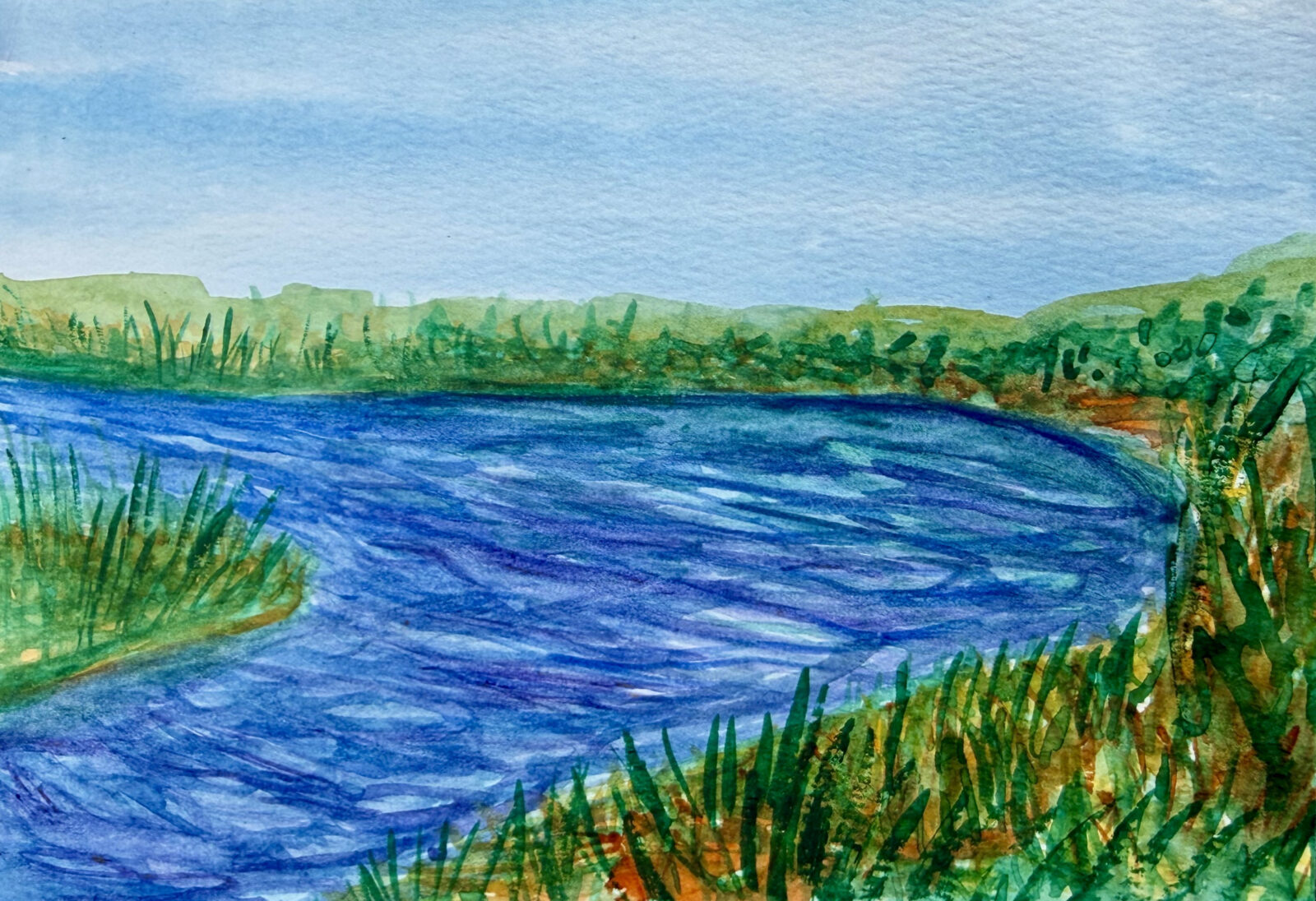
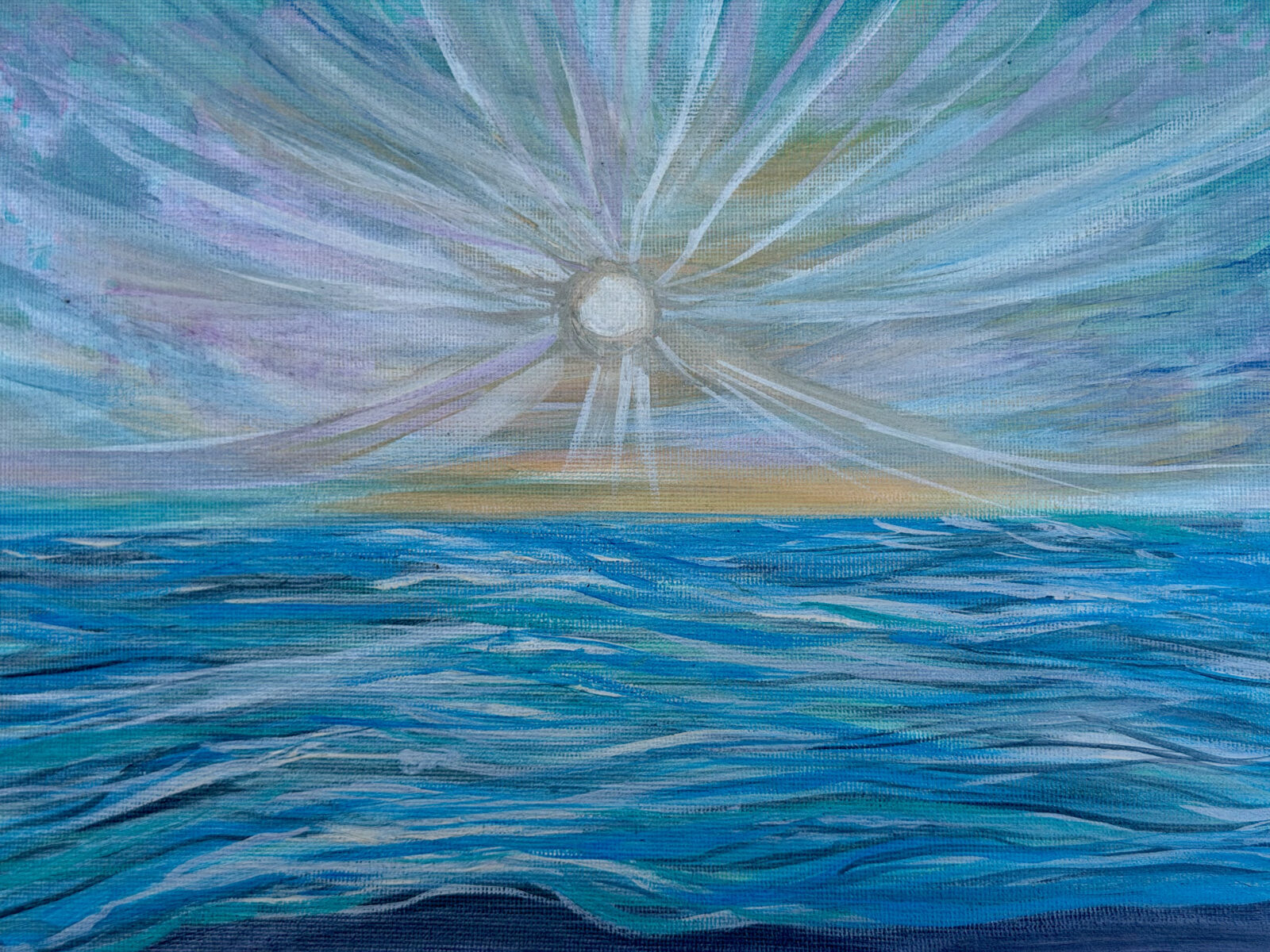
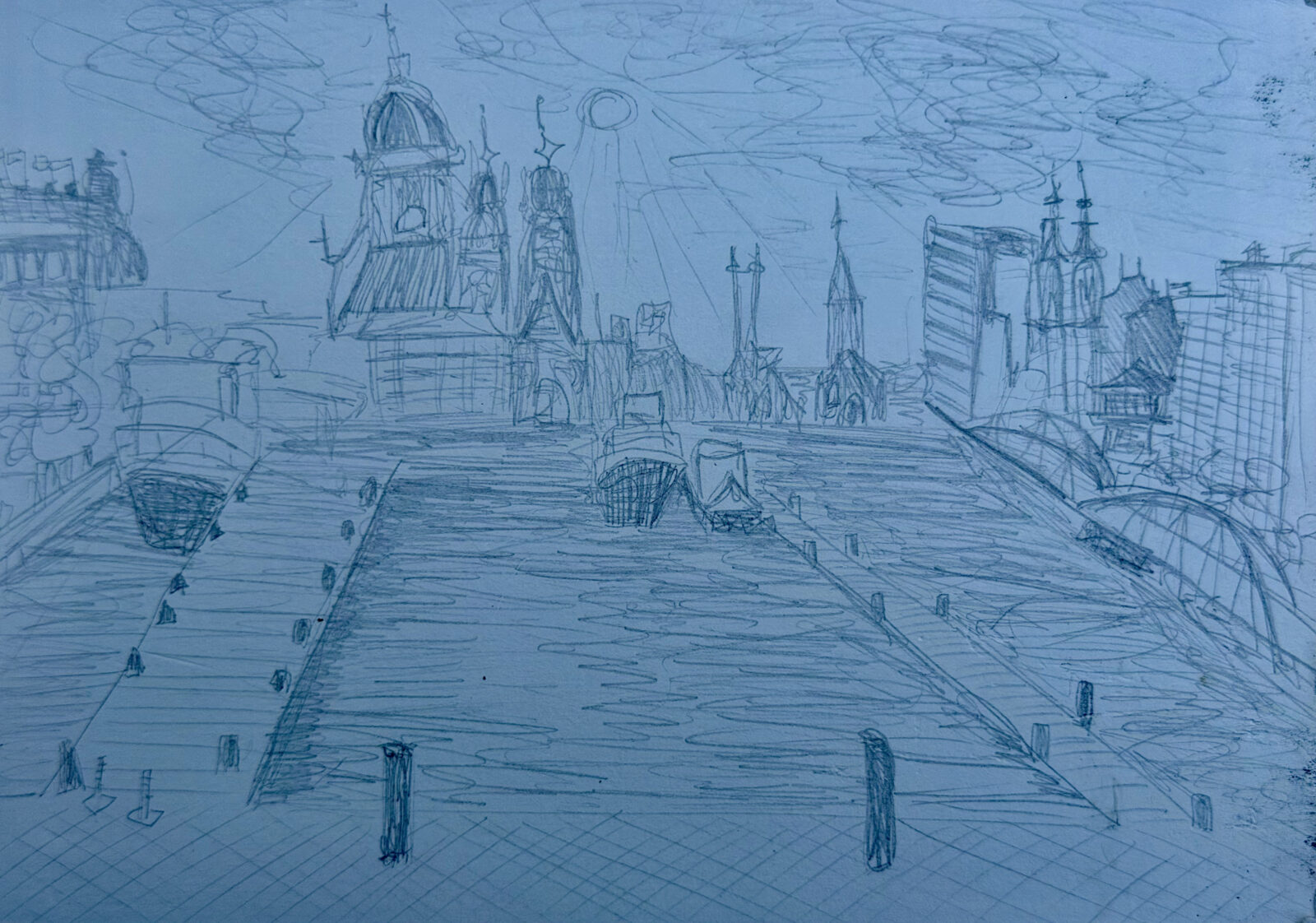
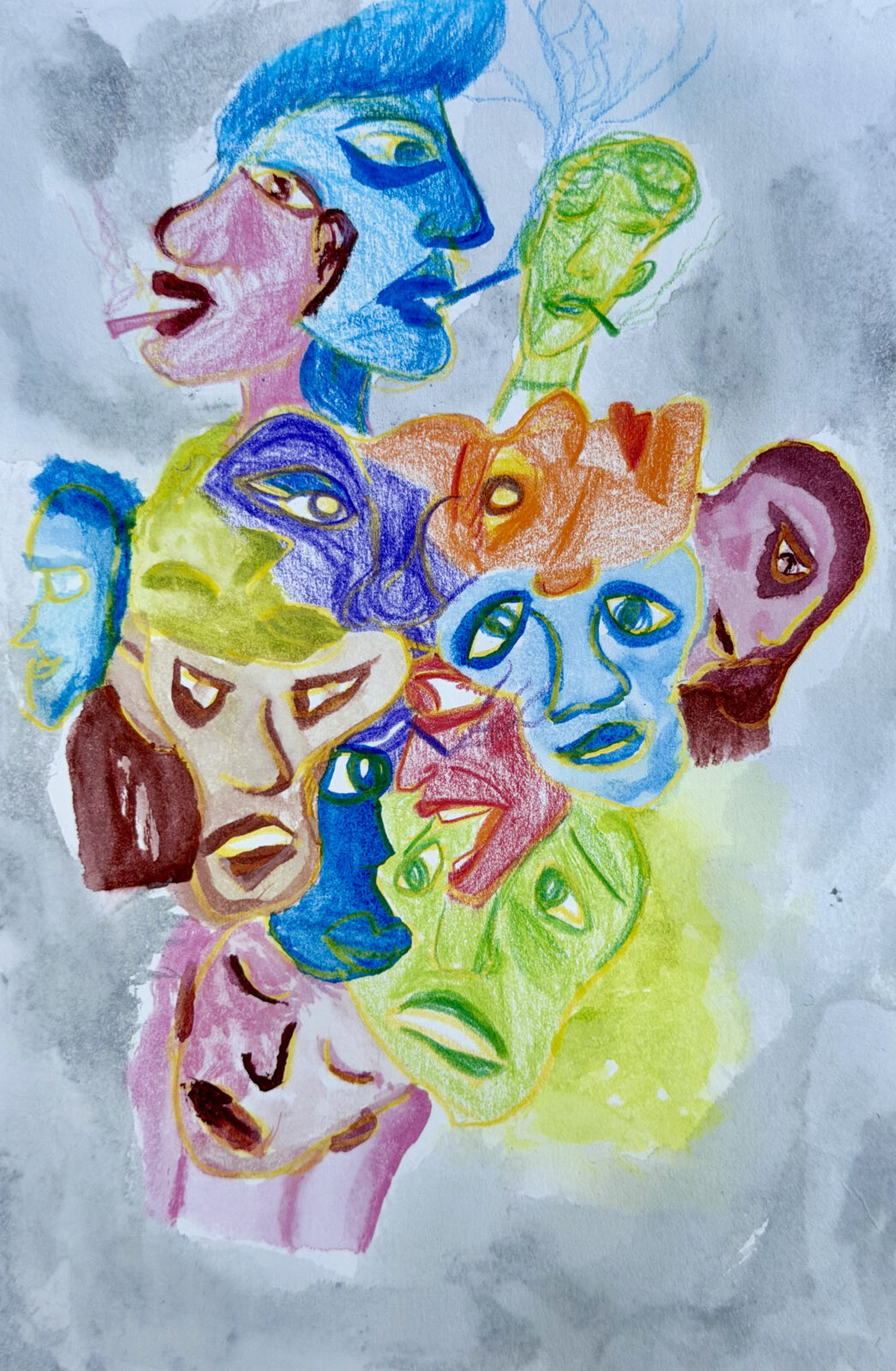
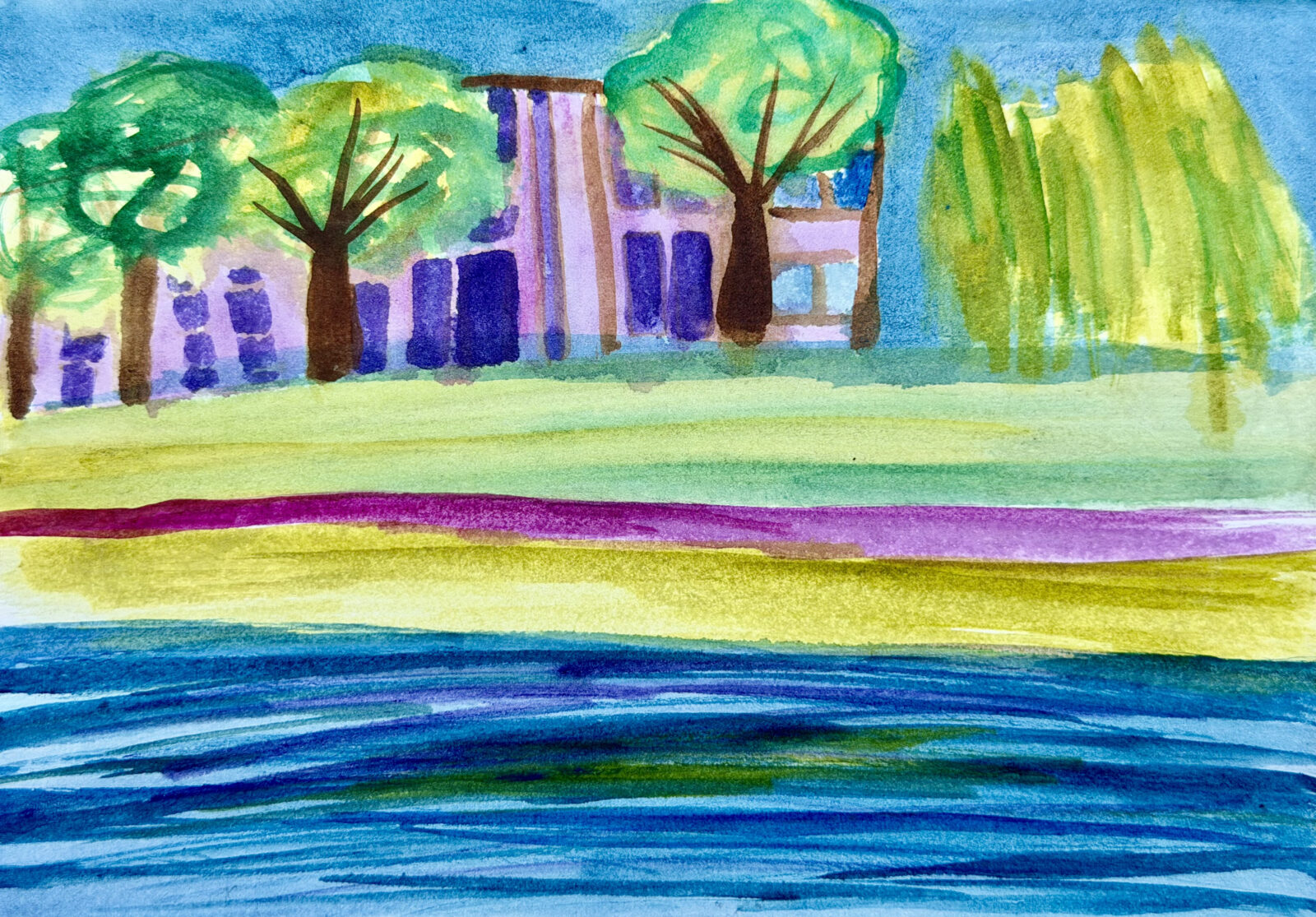
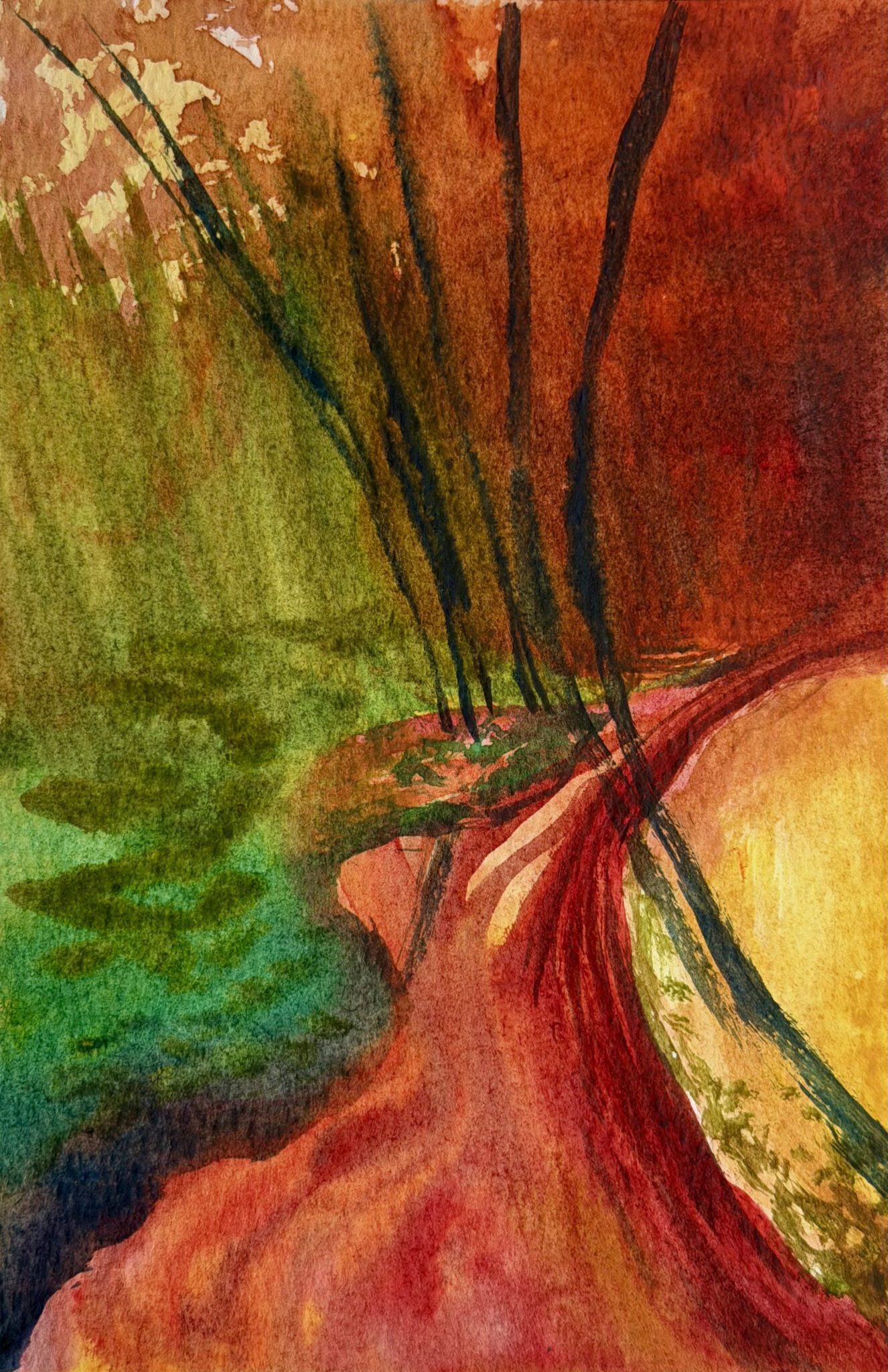
Harbor is an 11-minute dance with six performers, featuring elegant, ritualistic contemporary choreography set to mystical, folksy banjo. Parsing through the unavoidable liminal march toward the abyss of change, each of Harbor‘s performers embodies a different archetype, drawing from the tarot’s major arcana: The Fool, The Oracle, The Empress, The Hermit, Judgment, and The Moon.
Spoken text on melancholic, everyday, and morbid themes juxtaposes movement motifs of childlike innocence such as rock, paper, scissors and hopscotch. Symbols like numbers and electron bonds are playfully infused to intersect Harbor‘s momentum-filled dance elements, which portray the at once somber and firey exploration of new realms. Harbor prods at the tensions between free will, destiny, karma, meaning, and return.
Read the poetry spoken in the piece here
Harbor (2026) Presented by Open Dance Ensemble // at Movement Research NYC, June 2026
Choreographed by Lily Selthofner
Directed by Lily Selthofner and Philip Ellis Foster
Dancers: Adara Allen, Shannon Binns, Desislava Kreminlieva, Tommie McHale, Lily Selthofner, and Justin Shaw
Music: Live Banjo Accompaniment by Justin Shaw
Grey Funnel Line by Silly Sisters
Kalimankou Denkou by Bulgarian State Radio and Television Female Vocal Choir
Videography by Adam Myers

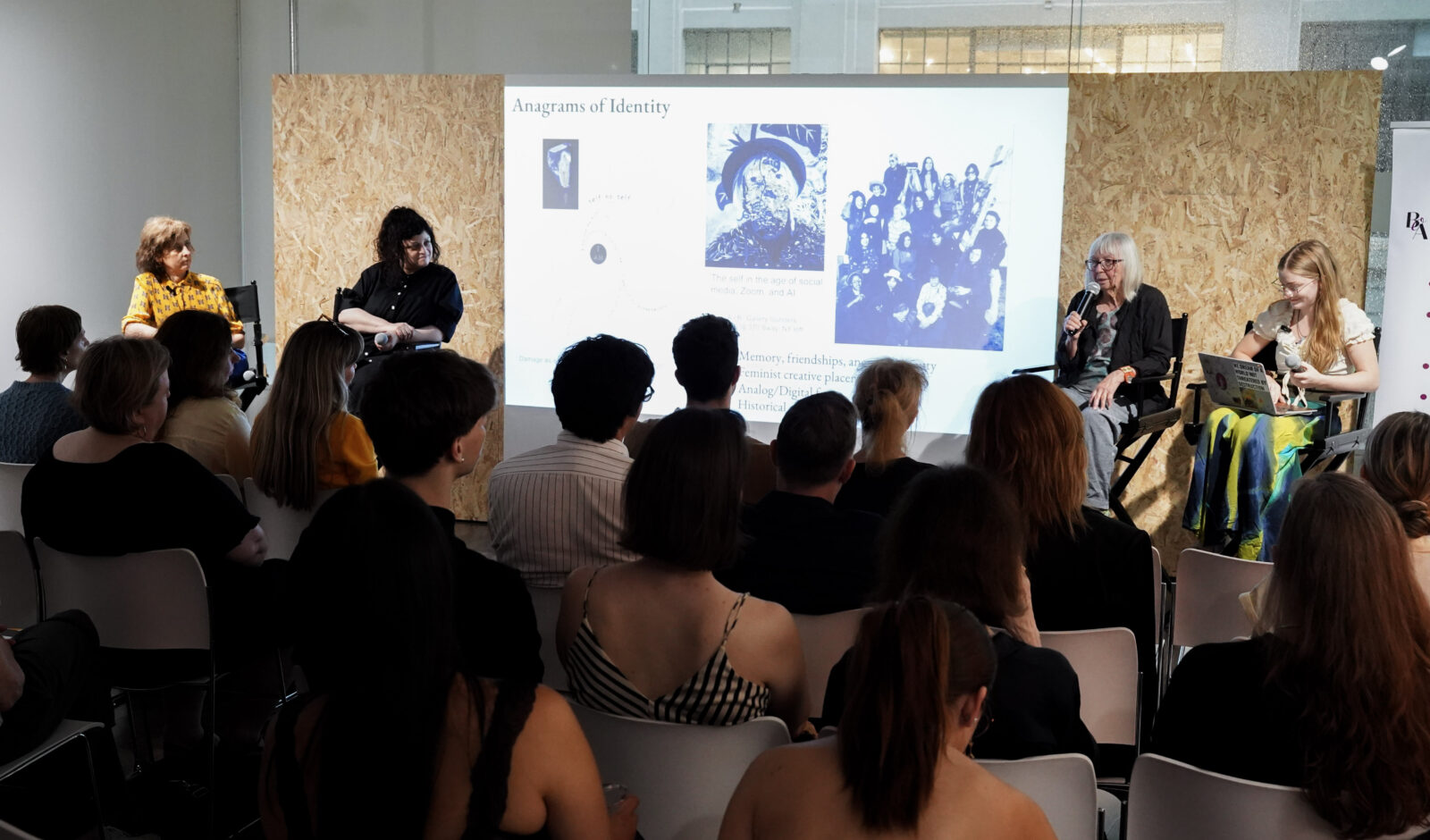
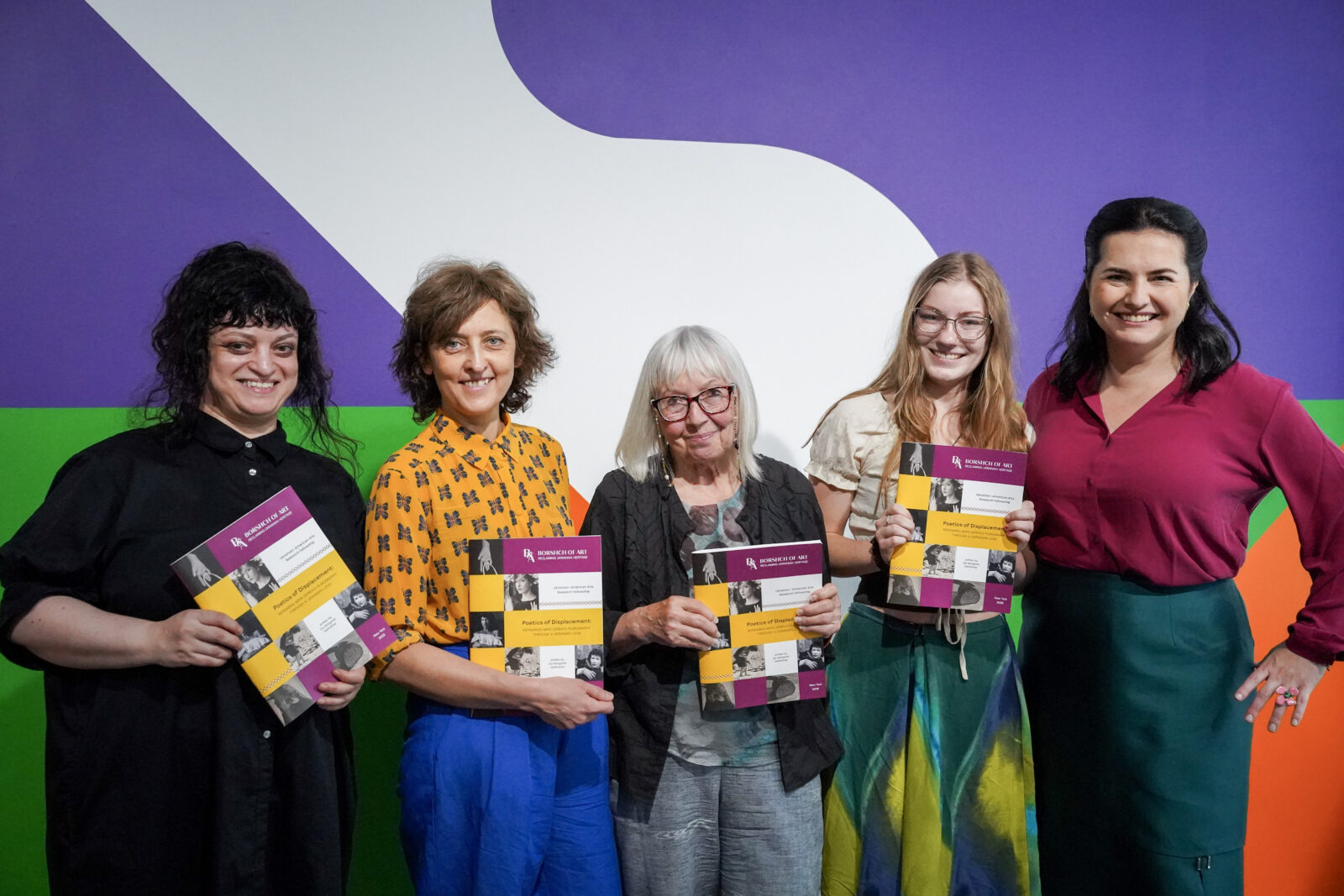
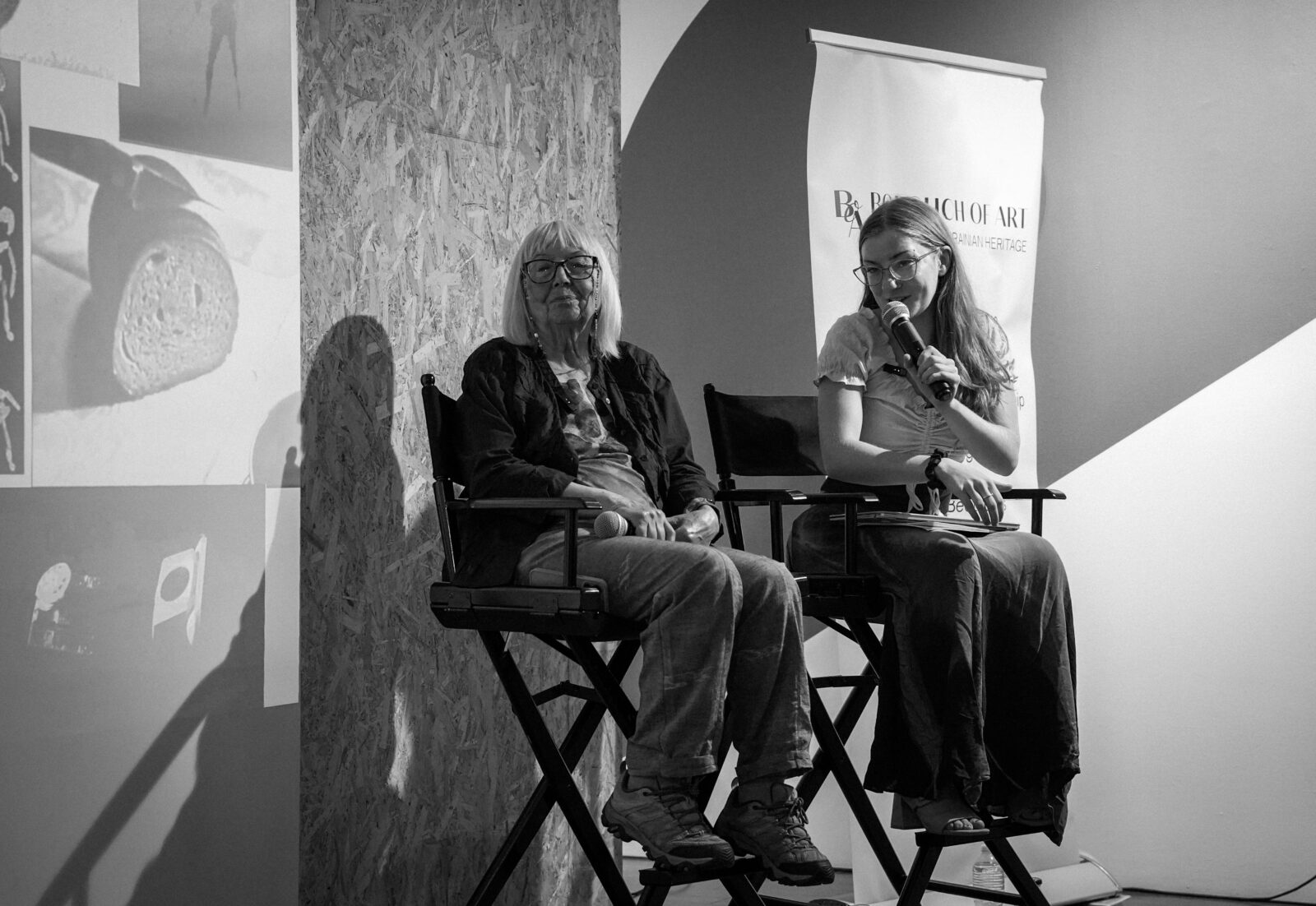
As a Research Fellow with Borshch of Art in 2025, I wrote a book called “Poetics of Displacement: Maya Deren Through a Ukrainian Lens,” featuring interviews with contemporary Ukrainian artists: Katya Grokhovsky, Slinko, Daria Dorosh, and Luba Drozd. In June 2026, I presented my research findings and facilitated a panel conversation with the interviewed artists at the Chelsea Academy of Design in NYC.
Like many Ukrainian artists, avant-garde filmmaker Maya Deren’s legacy has historically suffered from erasure and appropriation under Soviet imperialism. While her groundbreaking influence as a feminist artist is properly celebrated, the distinctly Ukrainian aspects of her films and legacy have remained largely unexamined. This research aims to fill that significant gap in dance and film history, where her Deren’s work is canonically referenced but predominately subsumed into the American avant-garde.
Borshch of Art sold printed copies of the above linked excerpt, which features key chapters on Deren’s biographical history alongside case studies of her first three films.