-
-
-
-
-
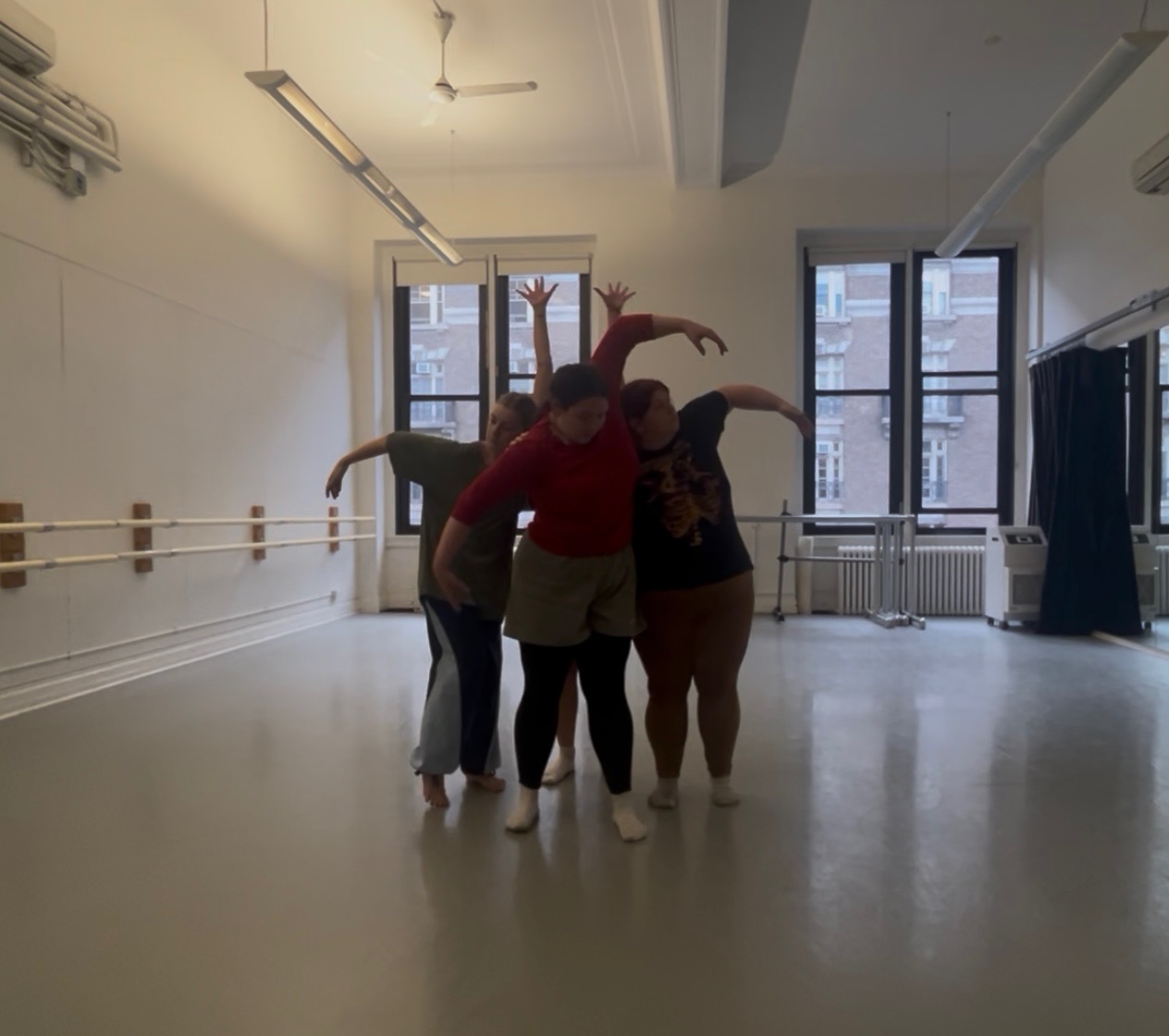
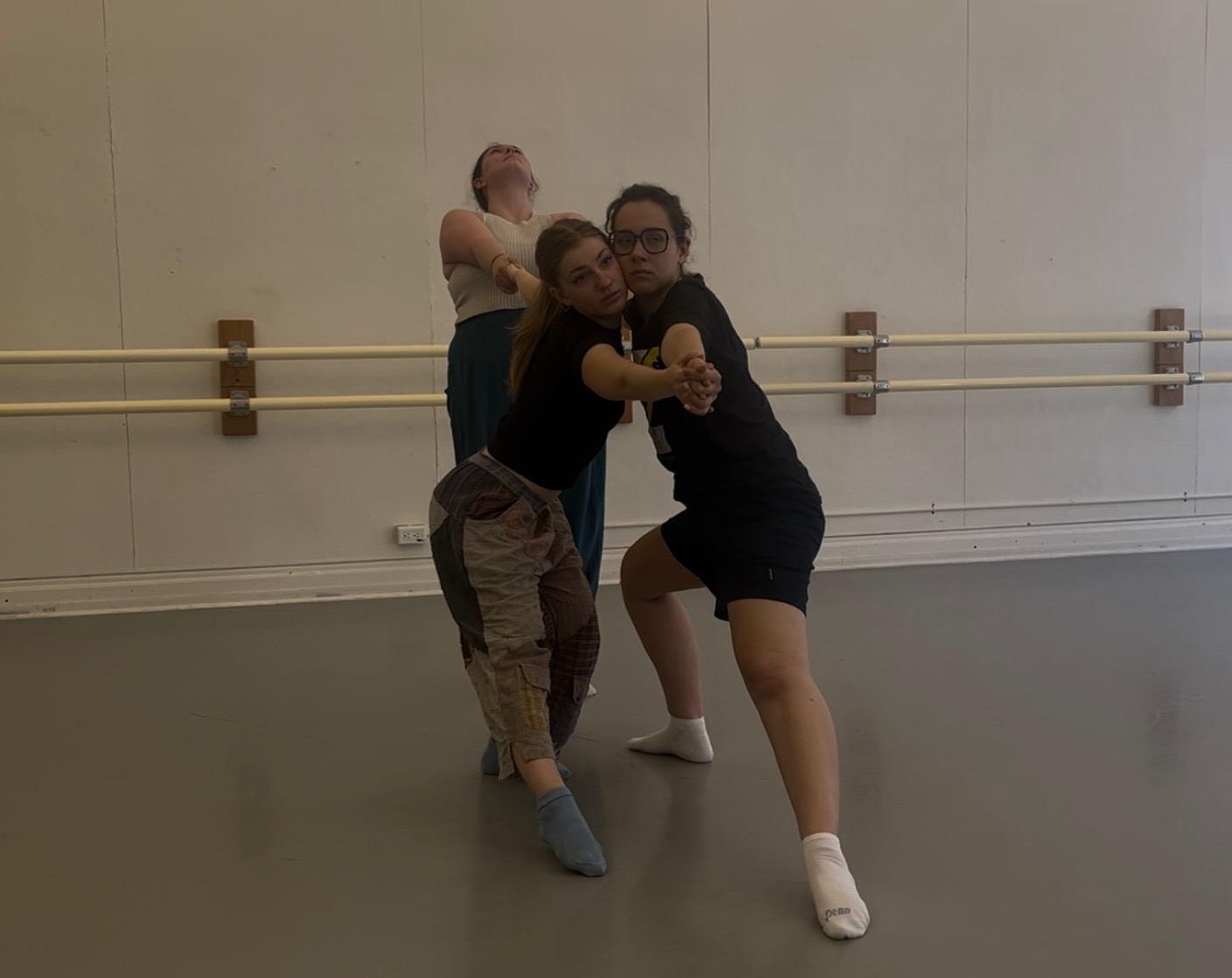
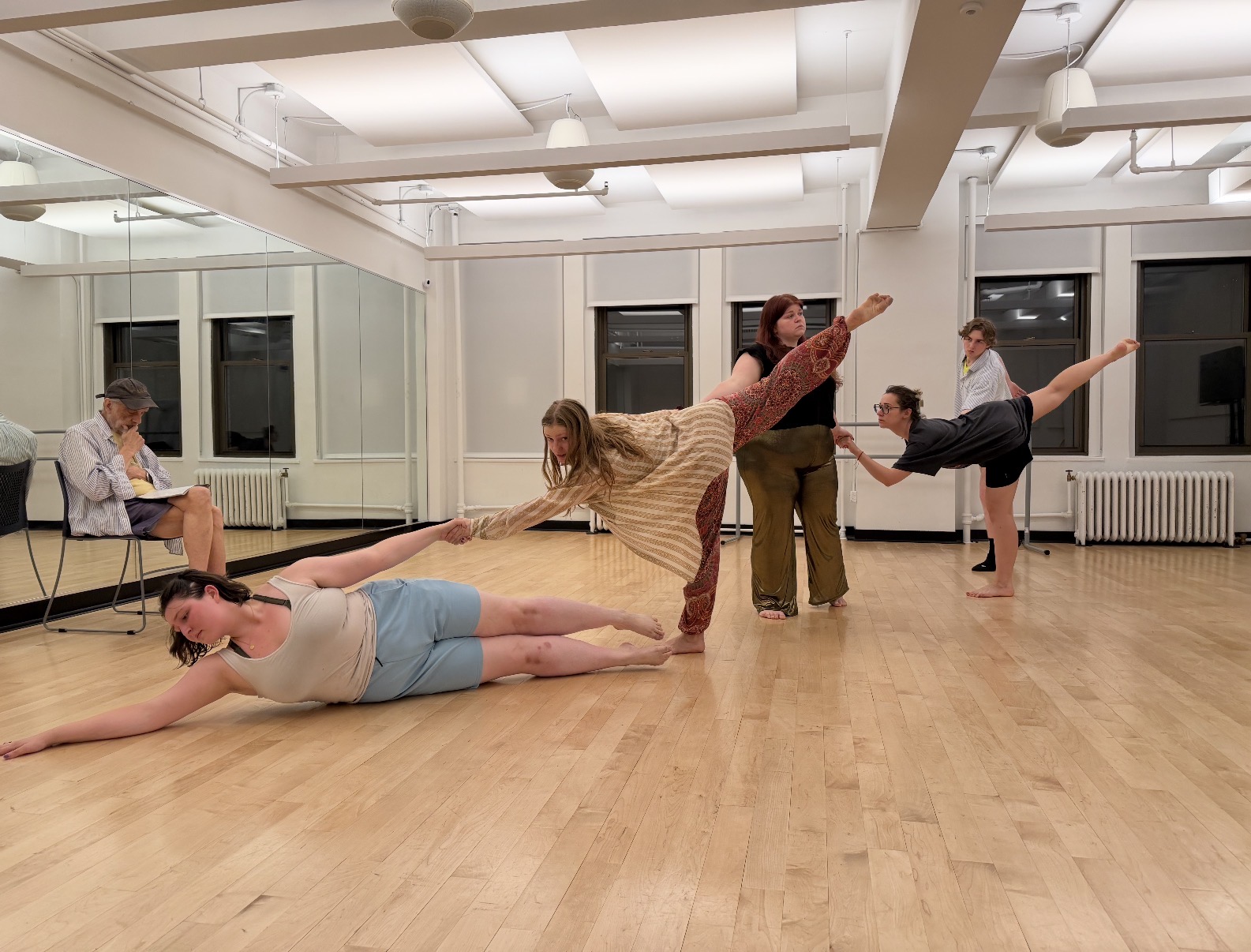
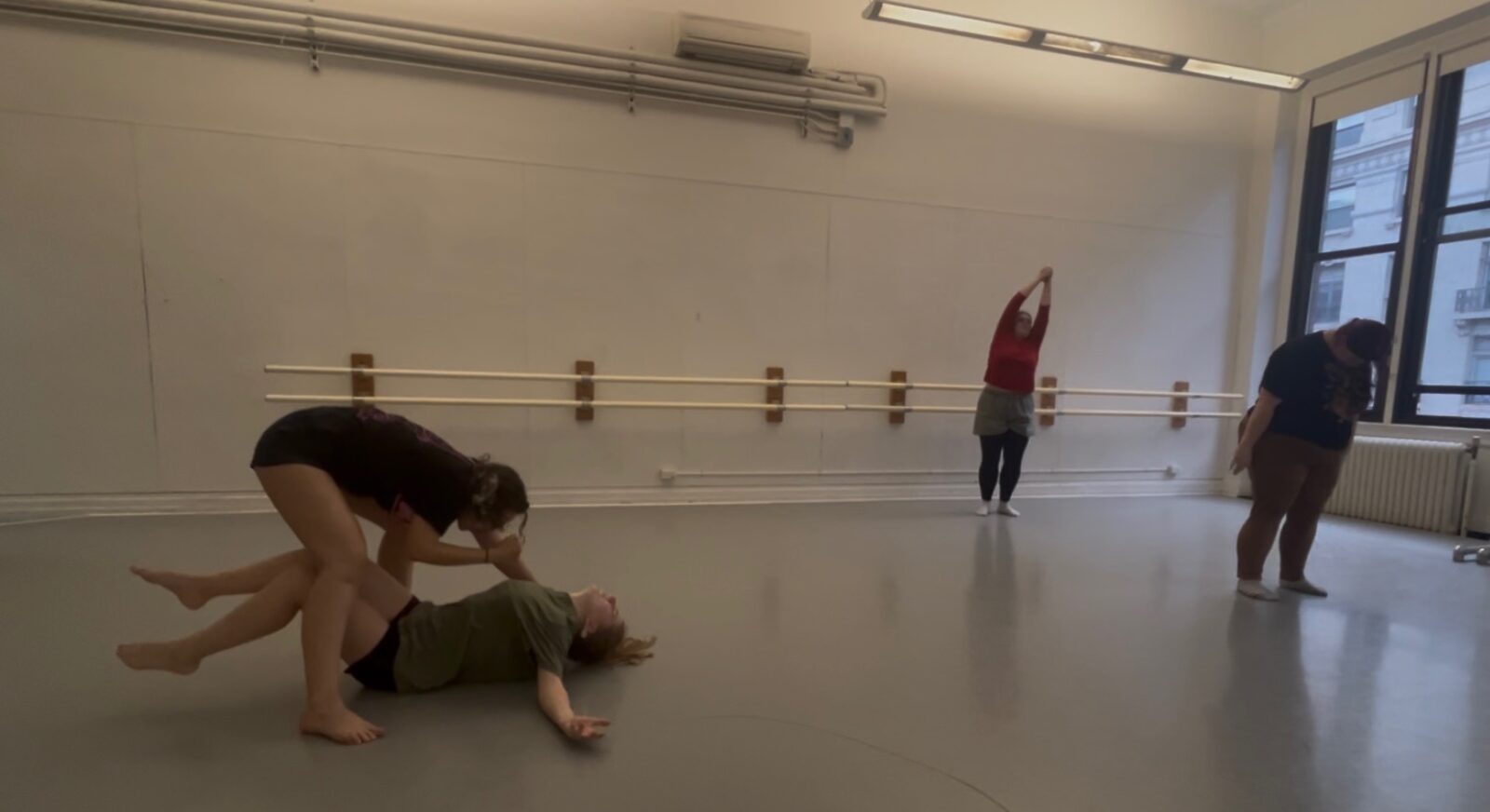
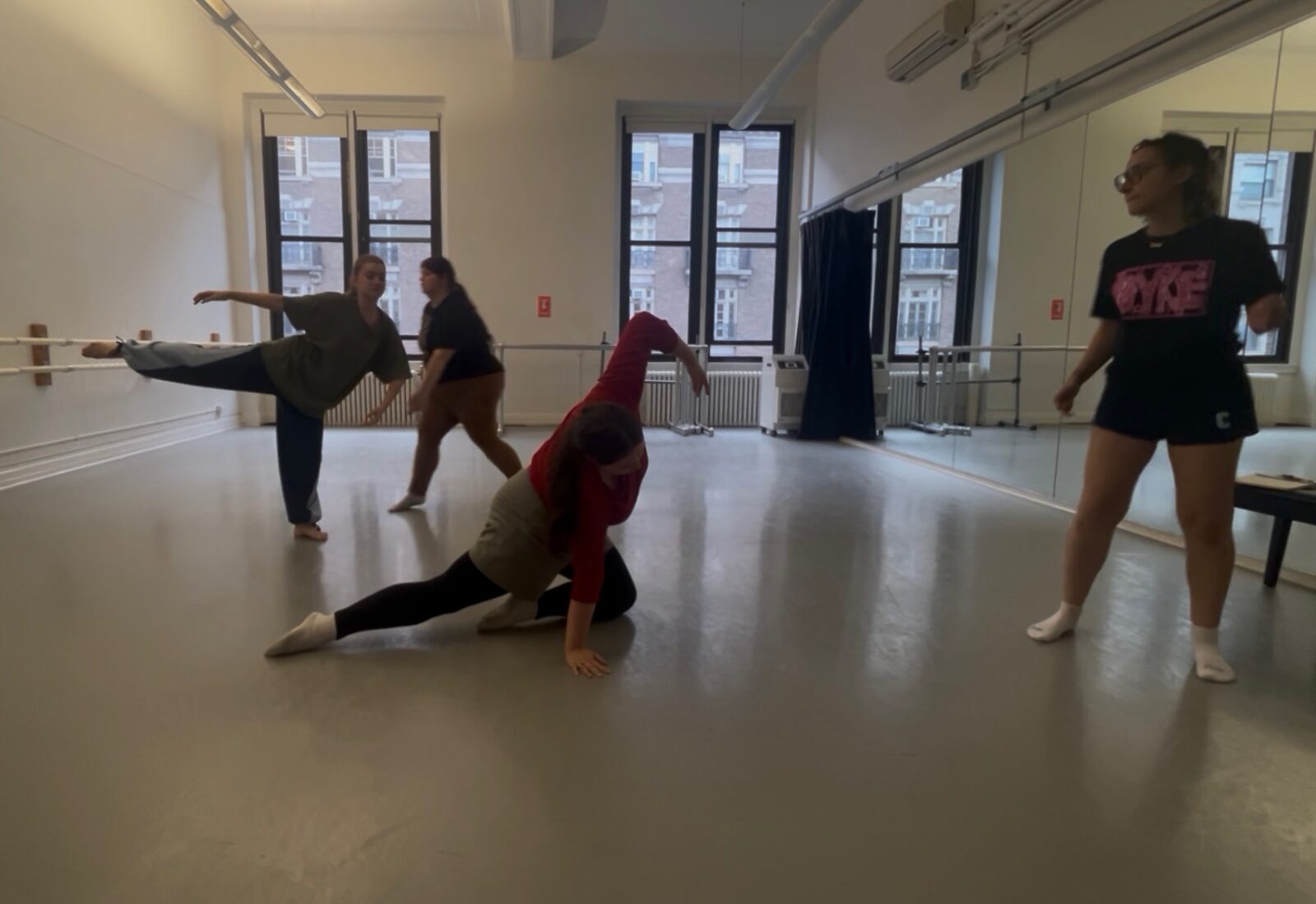
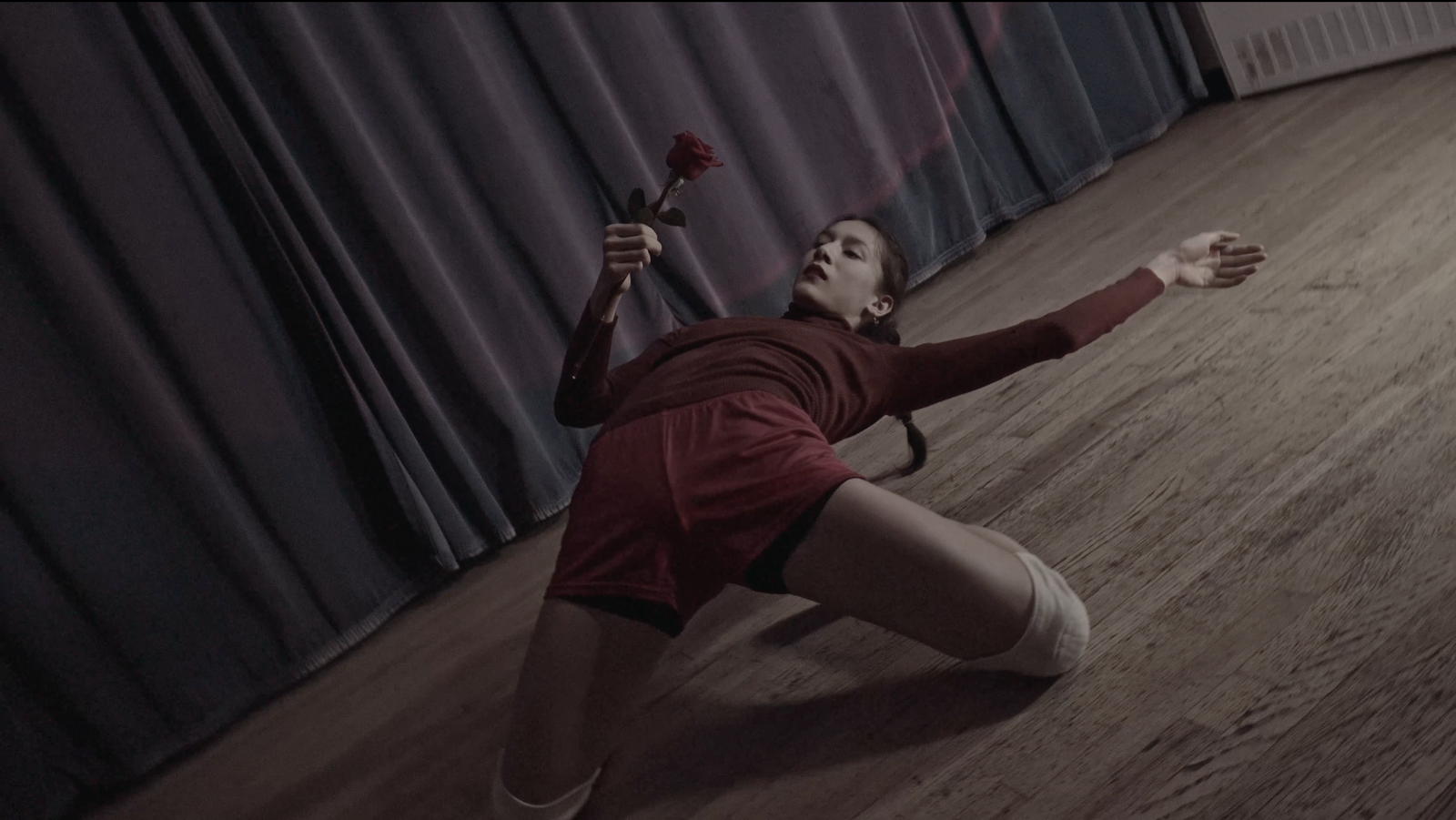
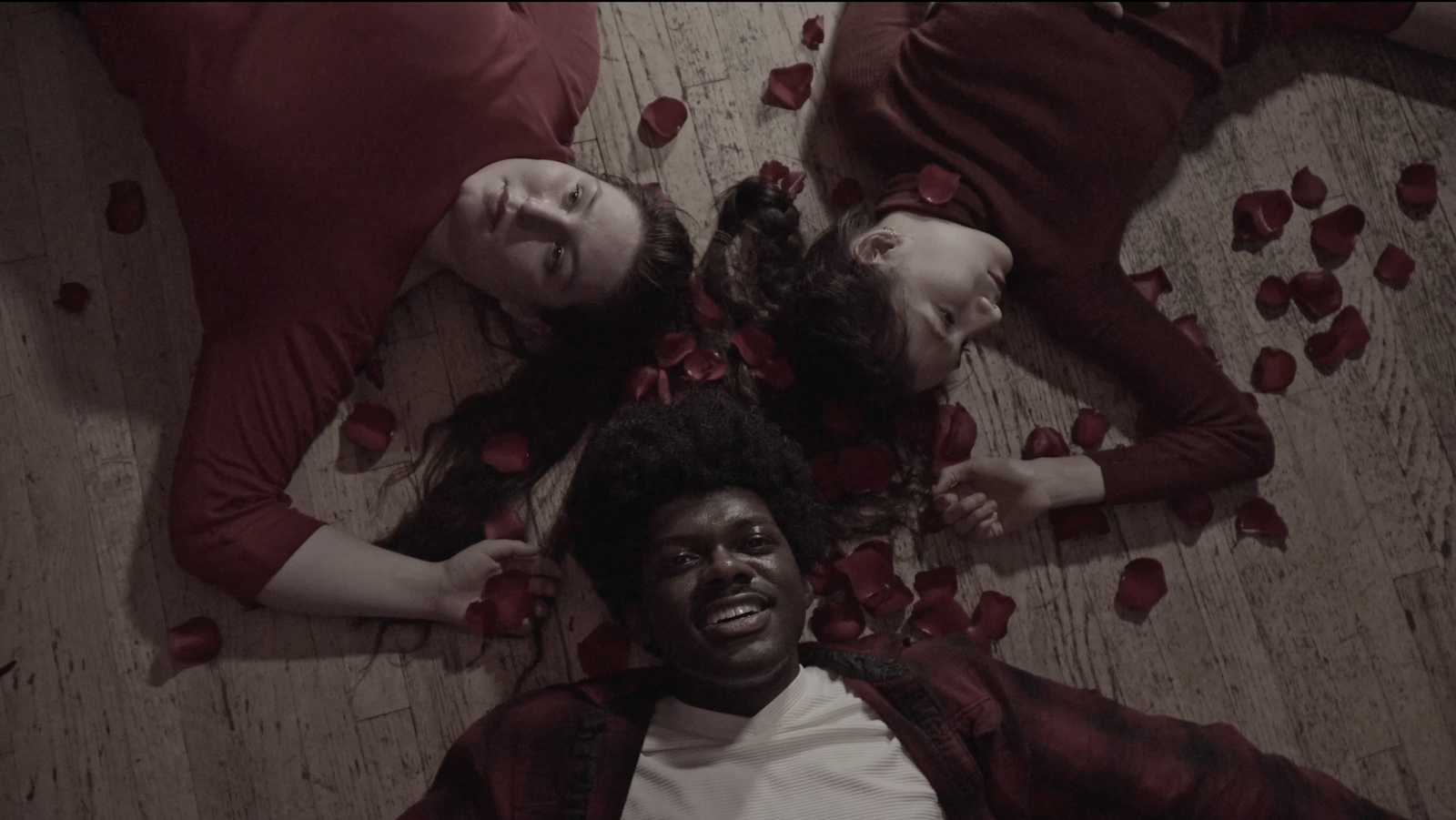
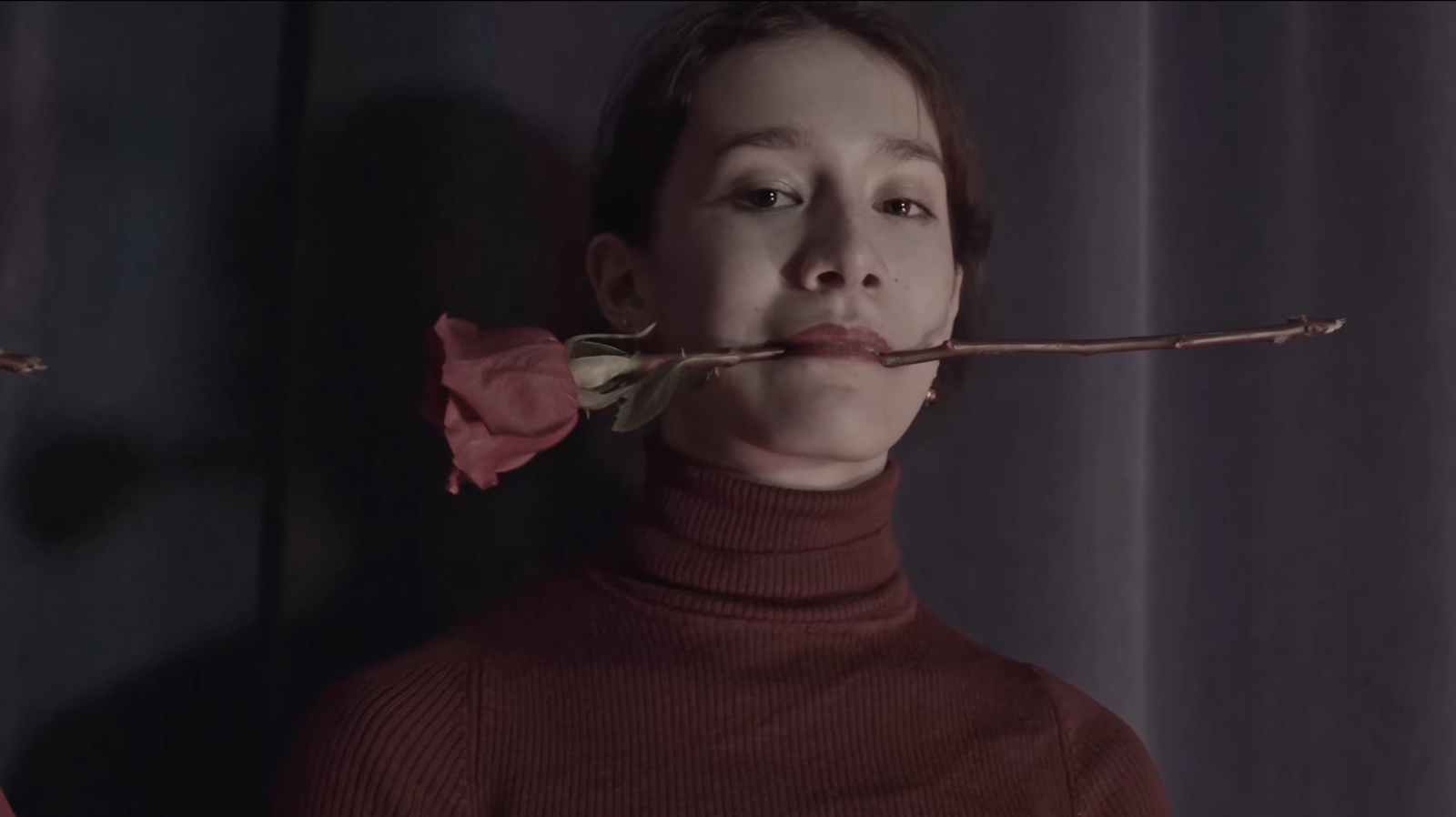
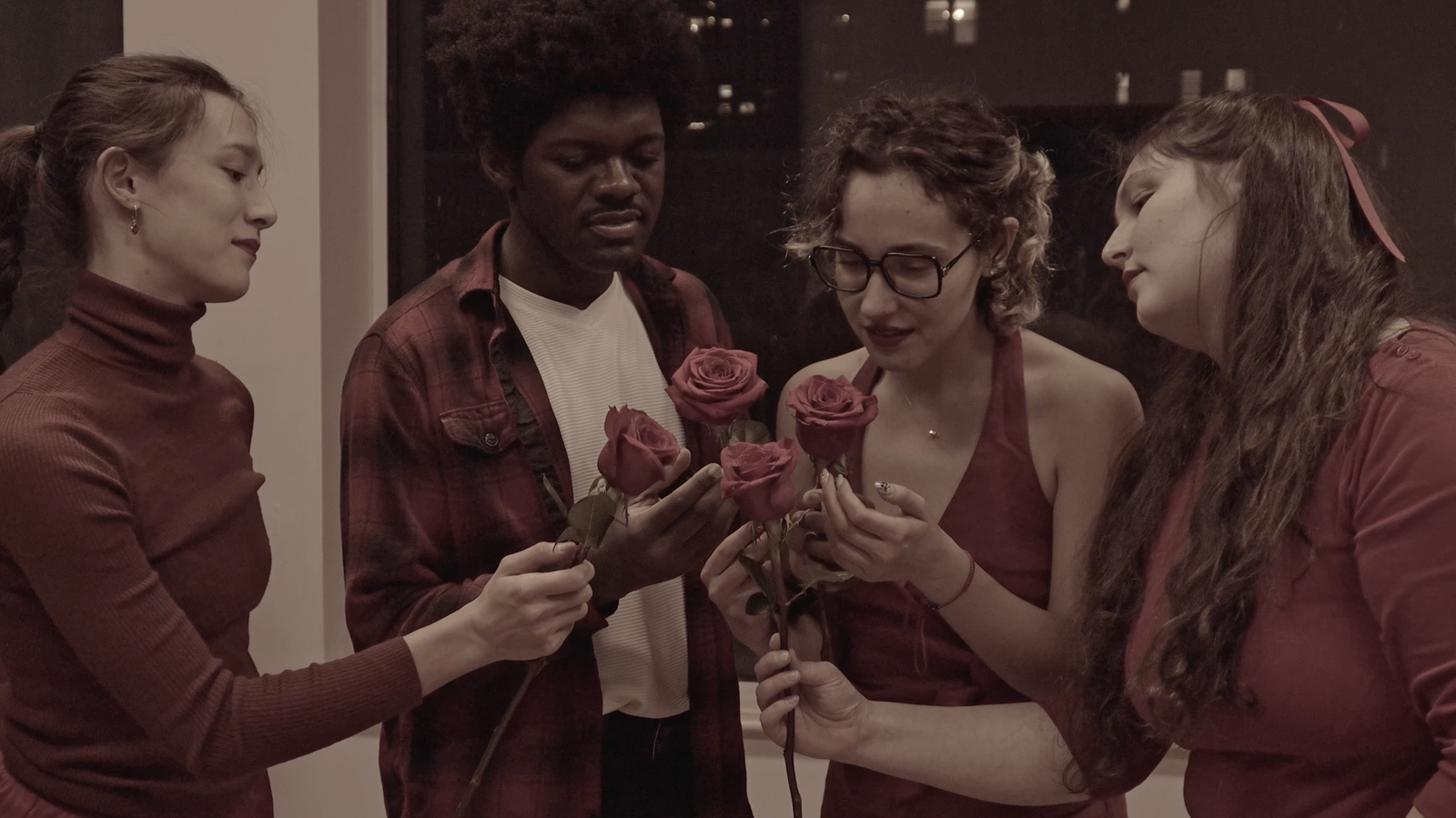
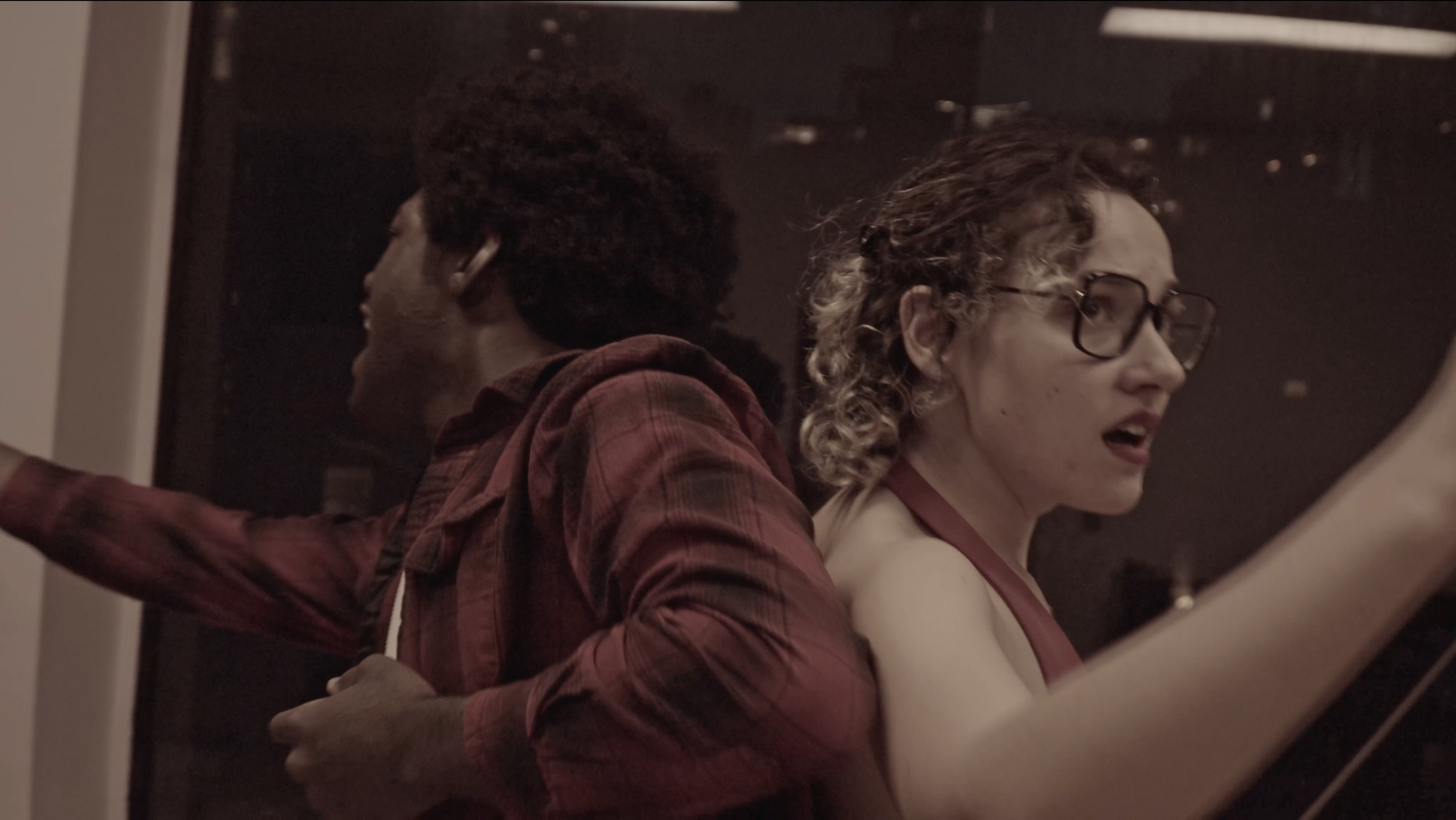
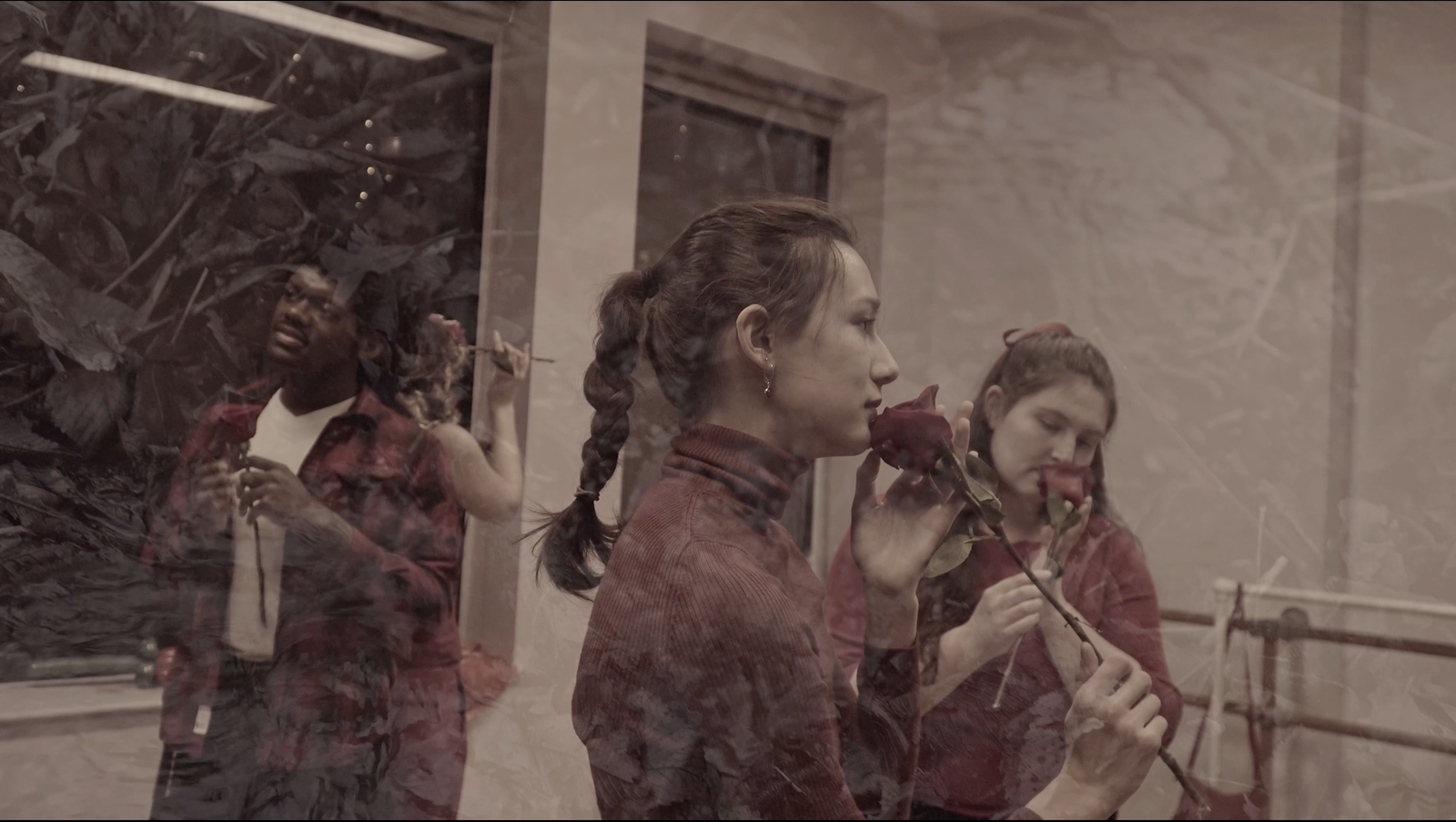
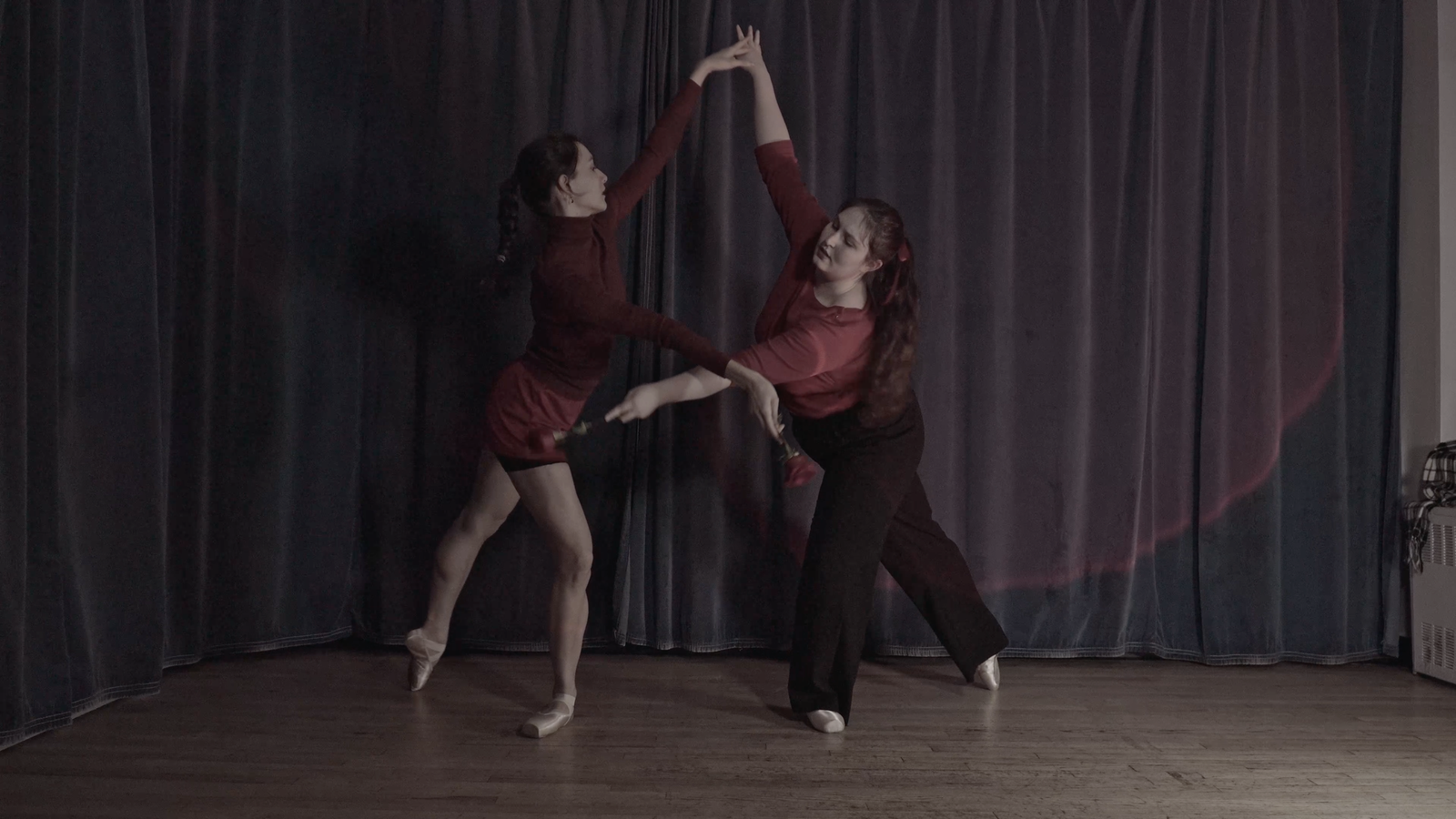
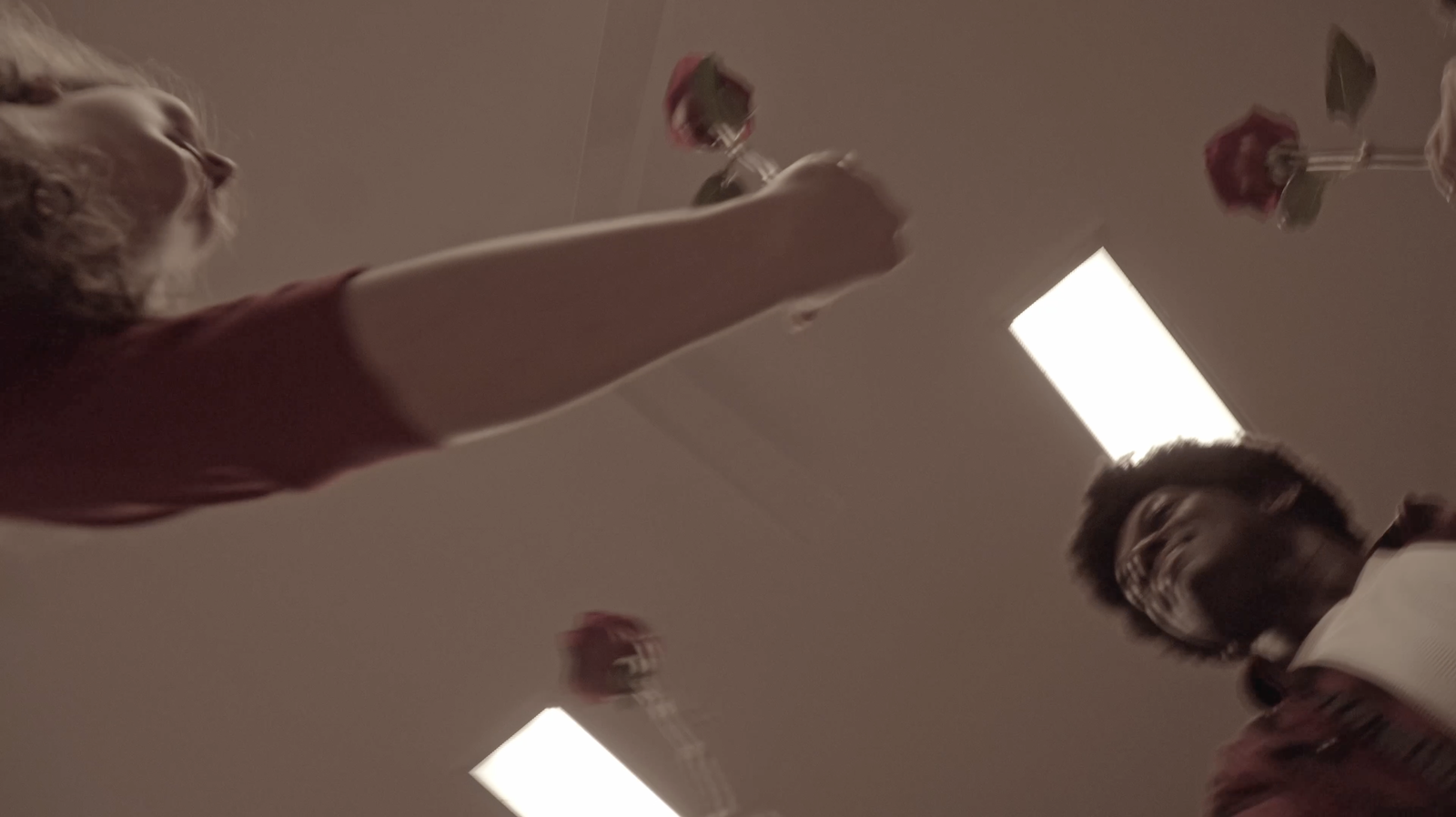
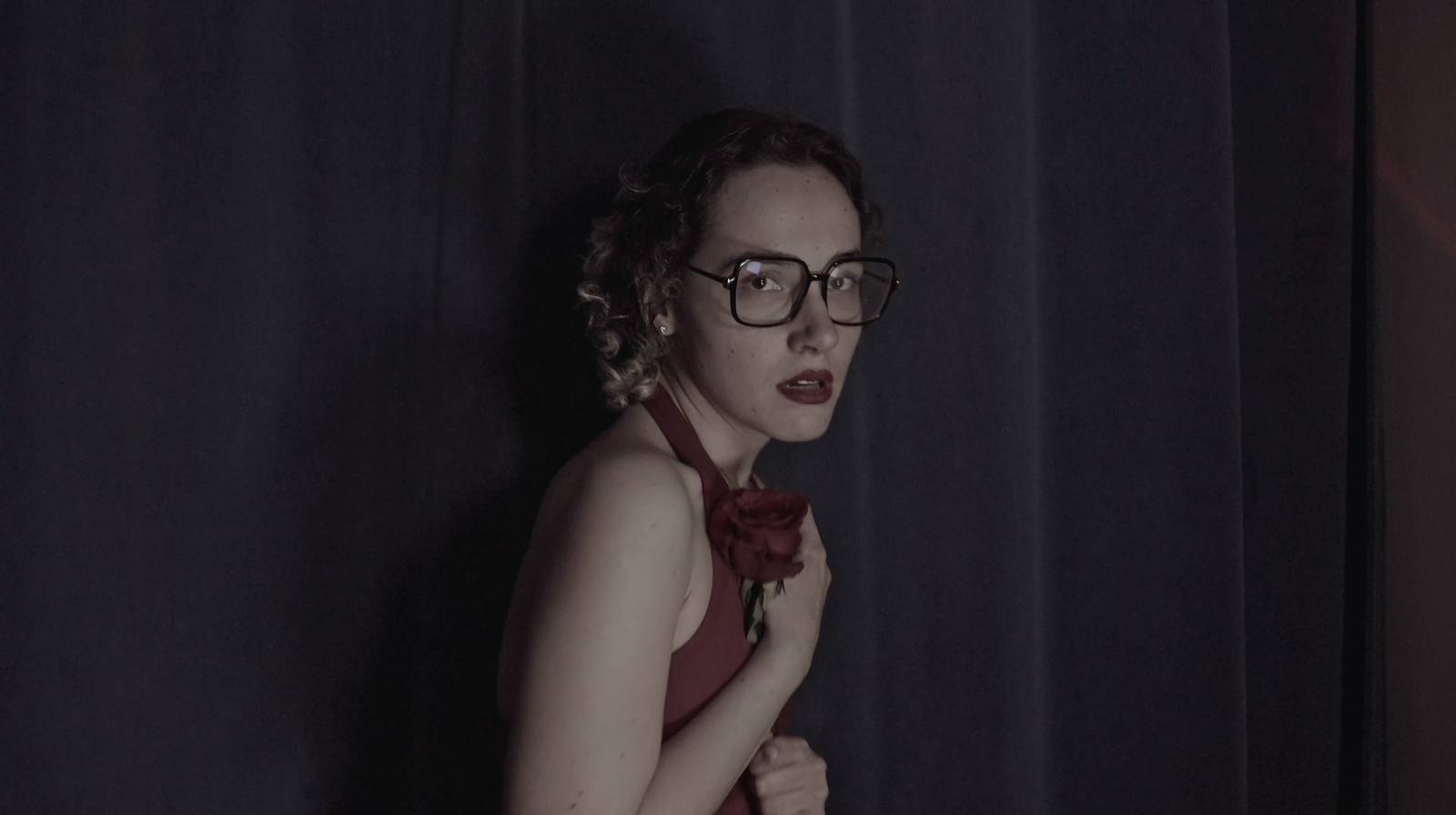
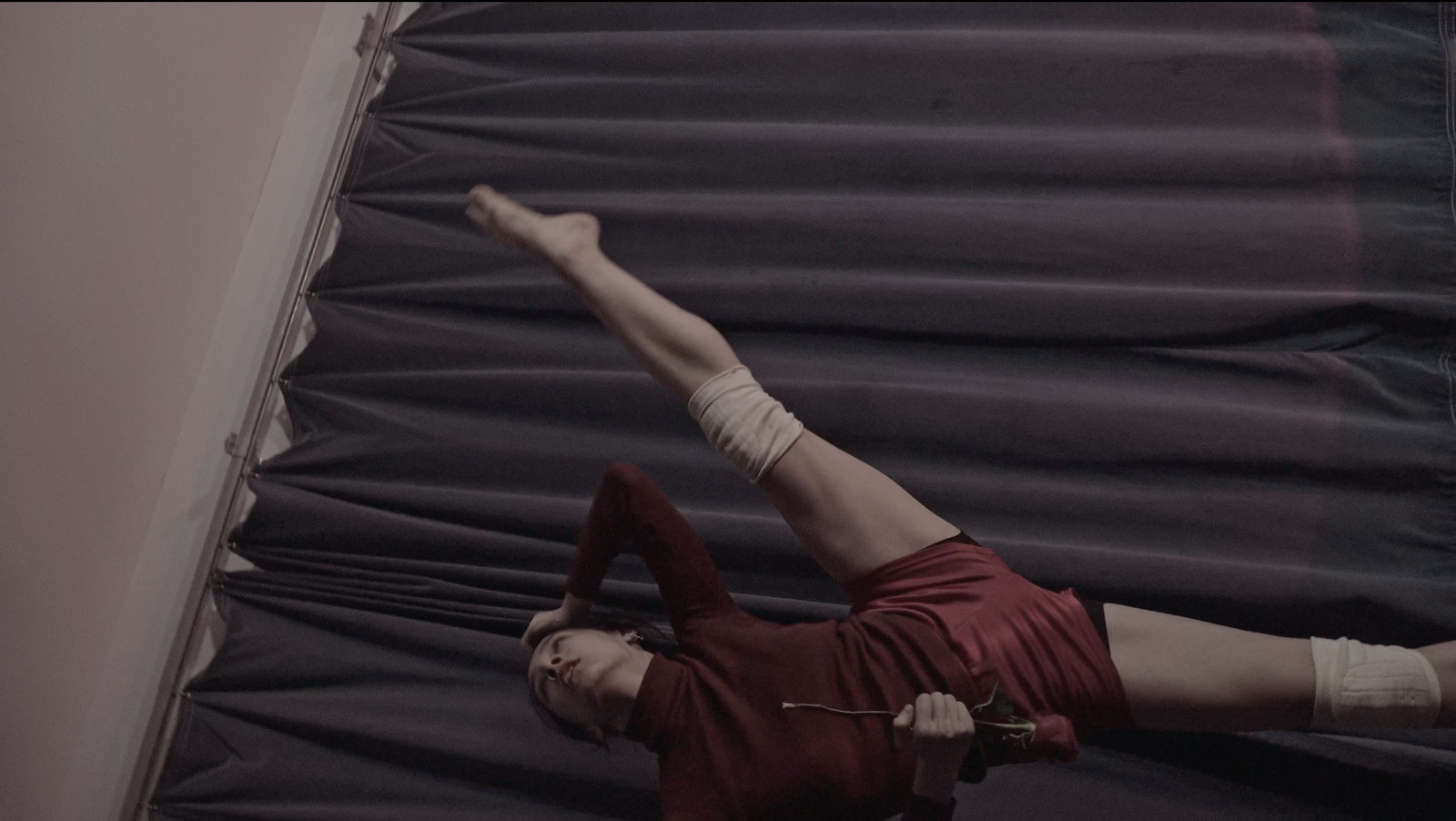
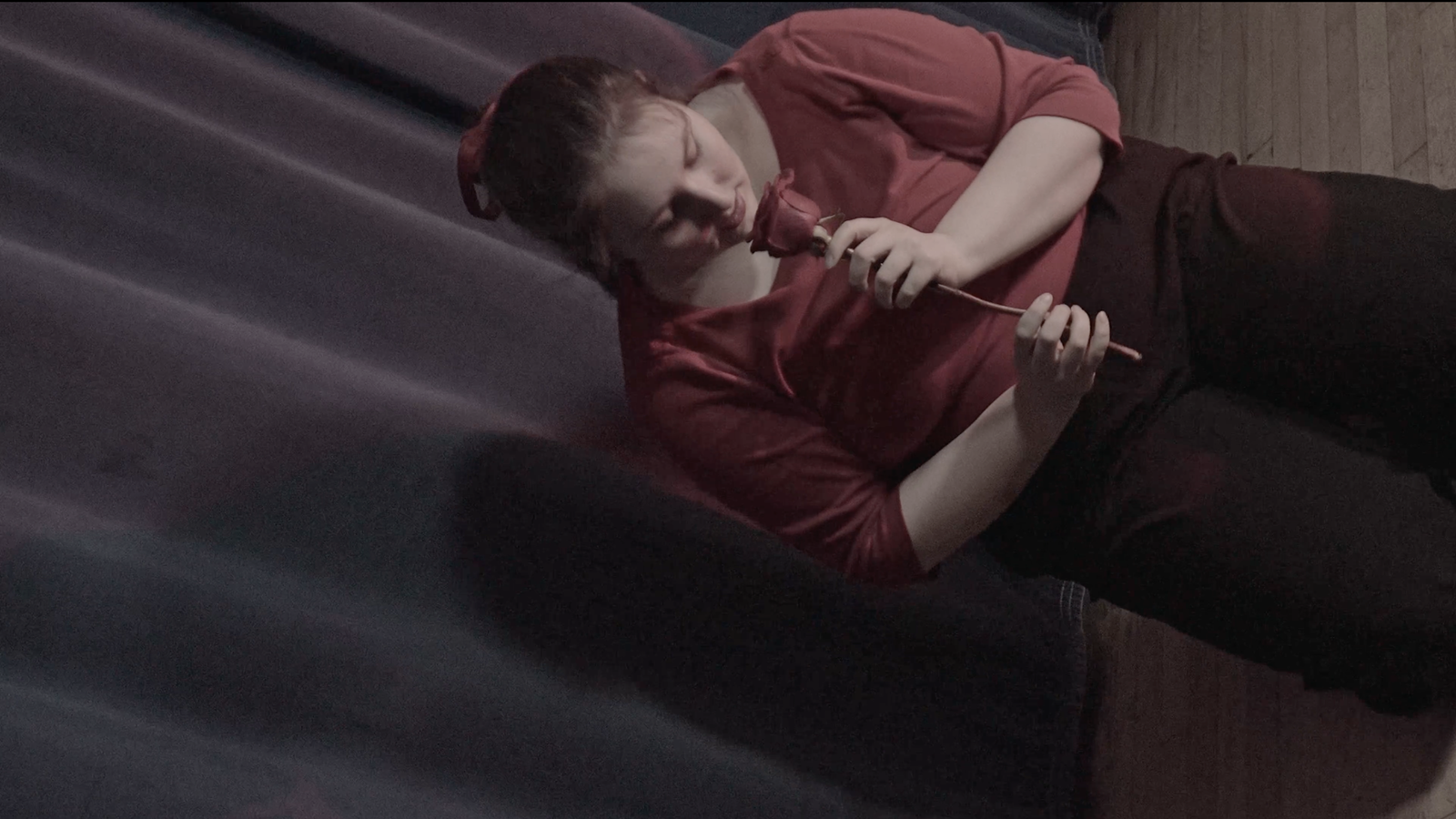
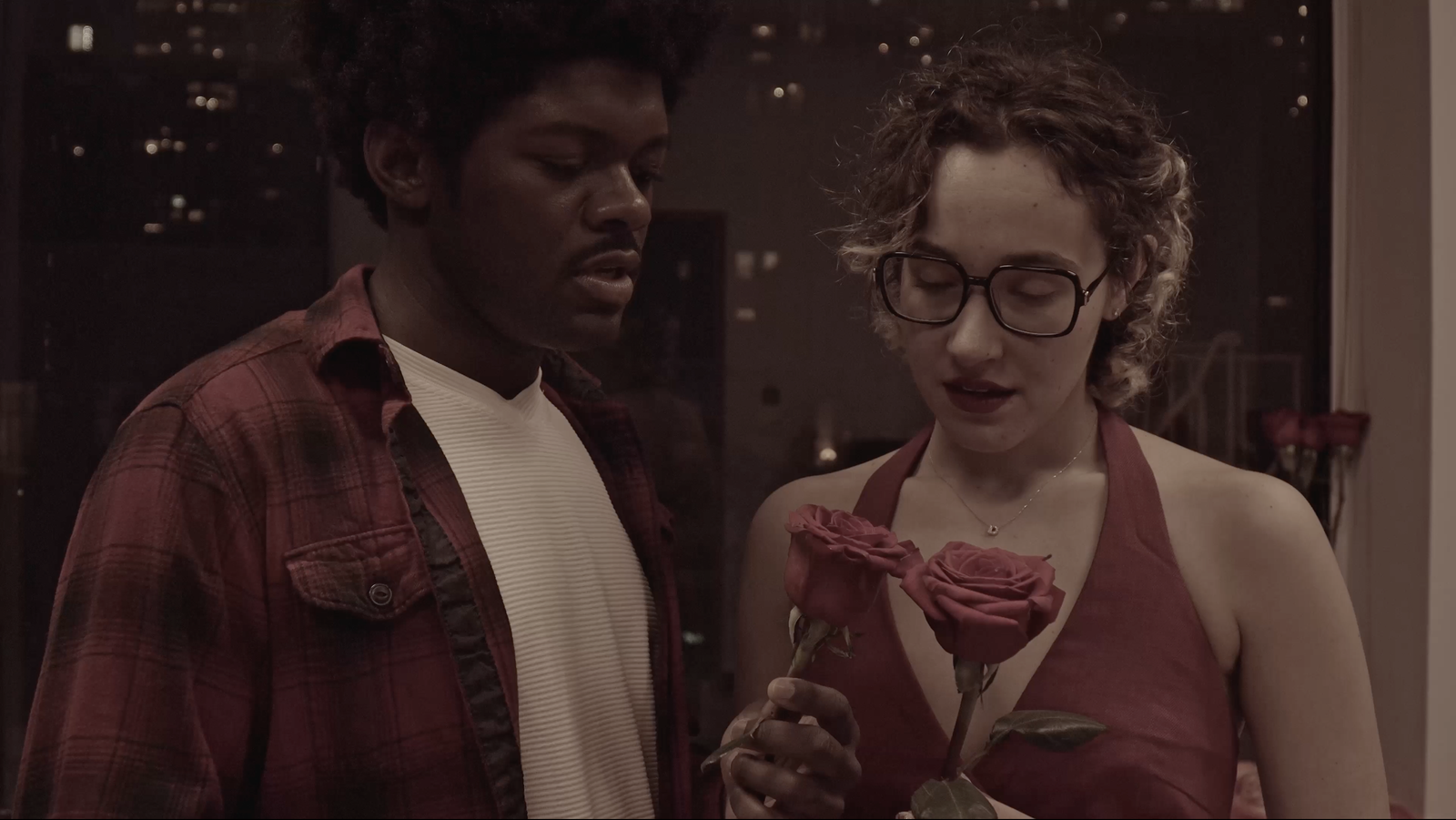
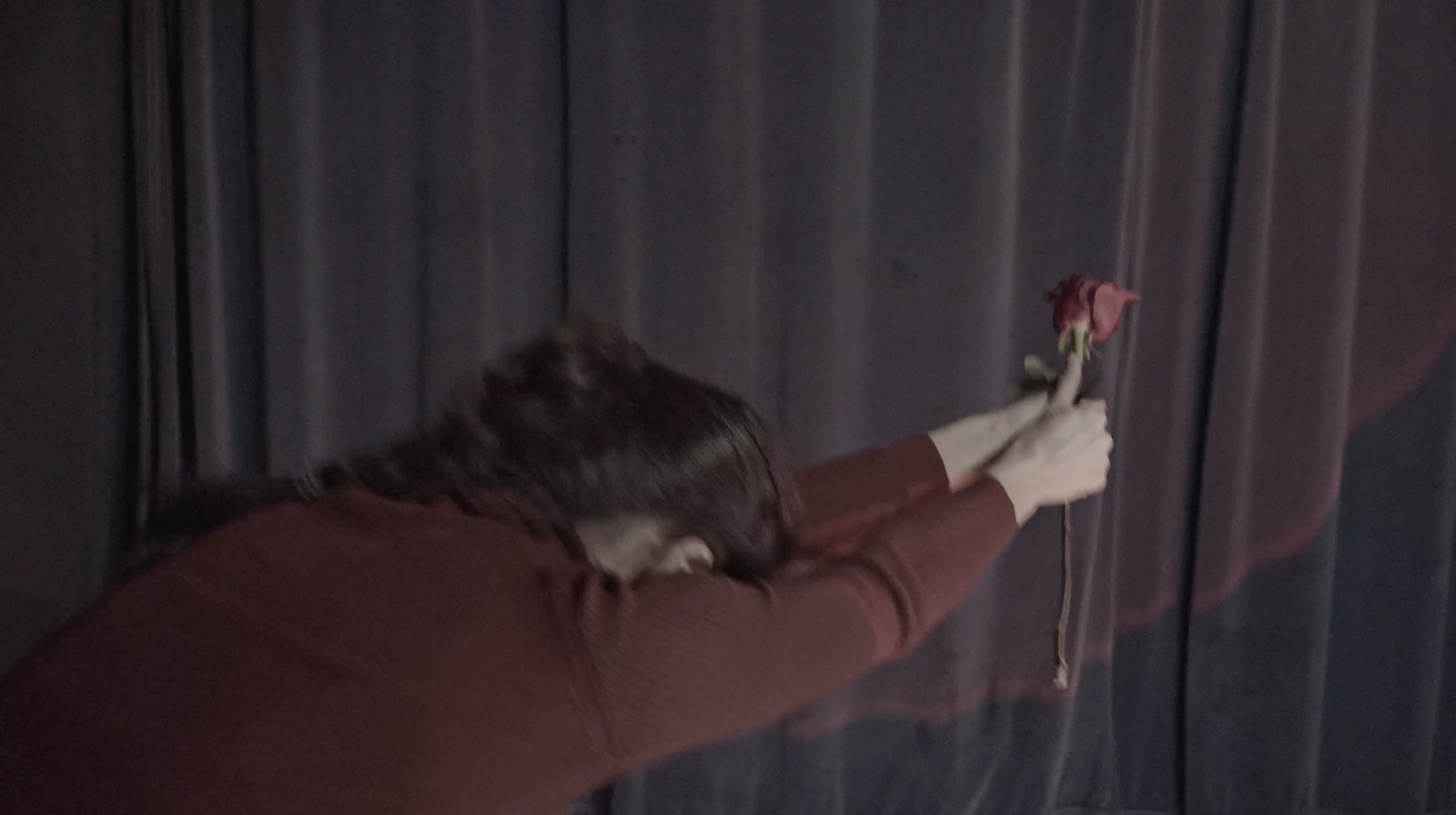
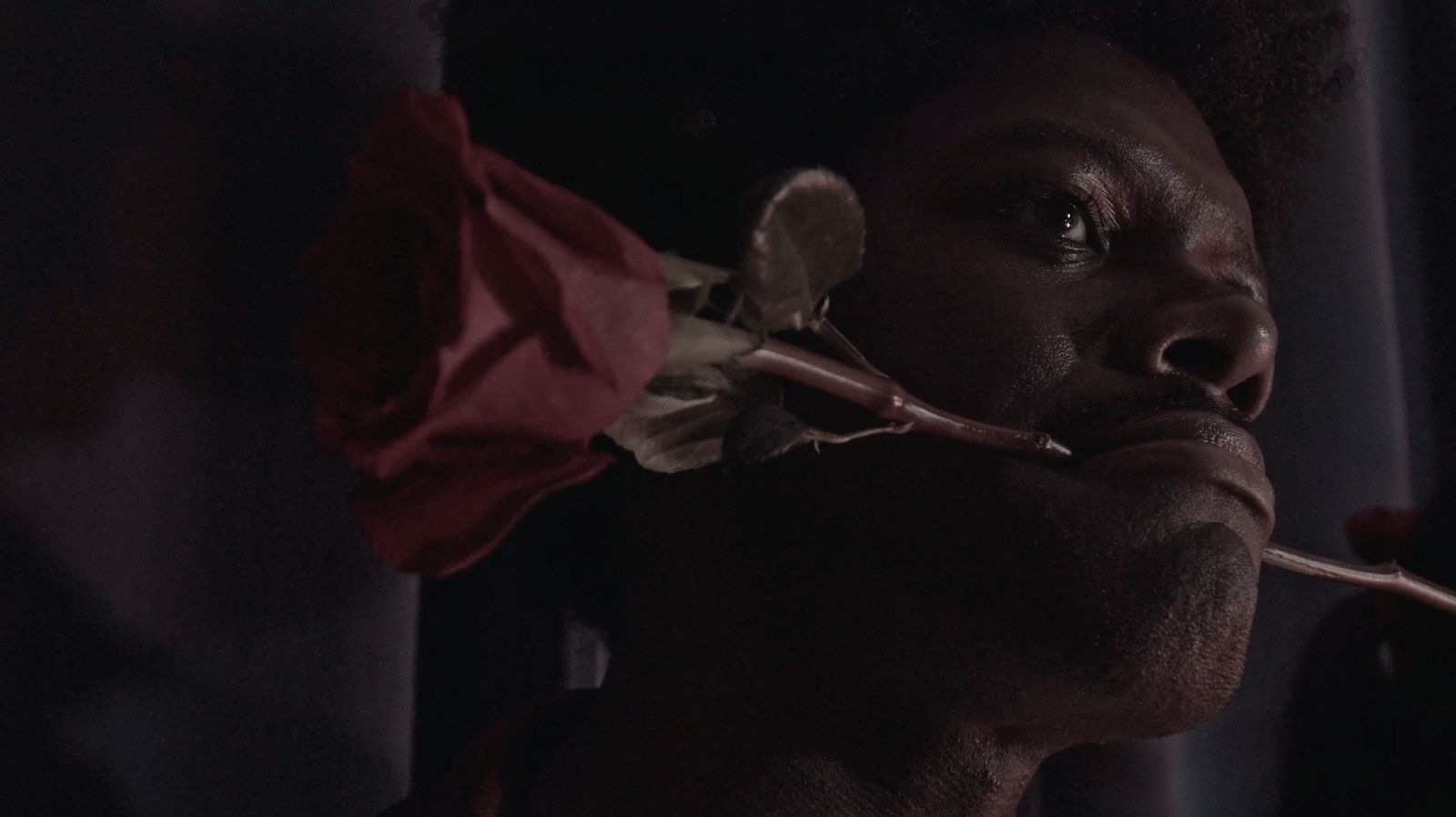
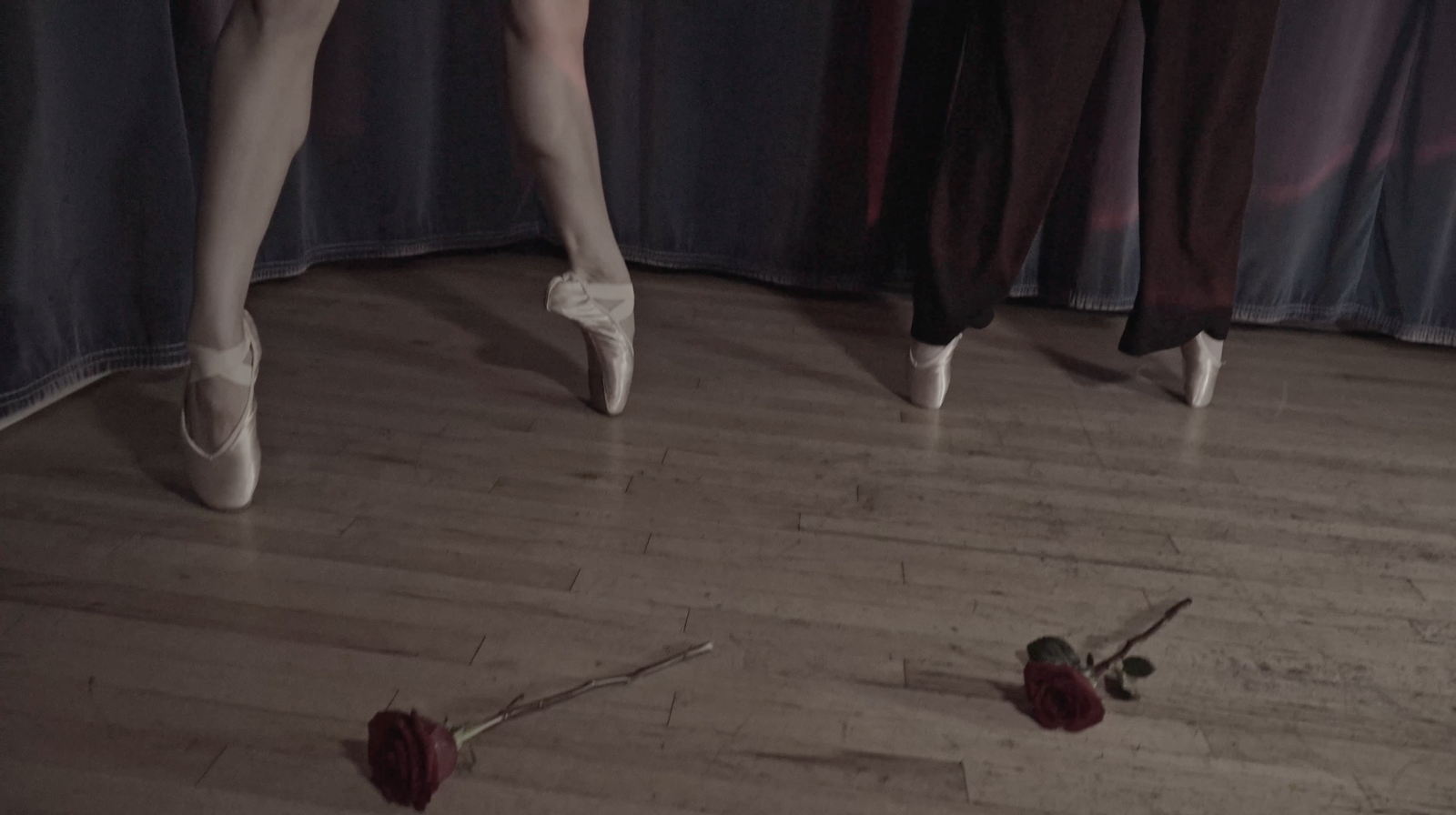
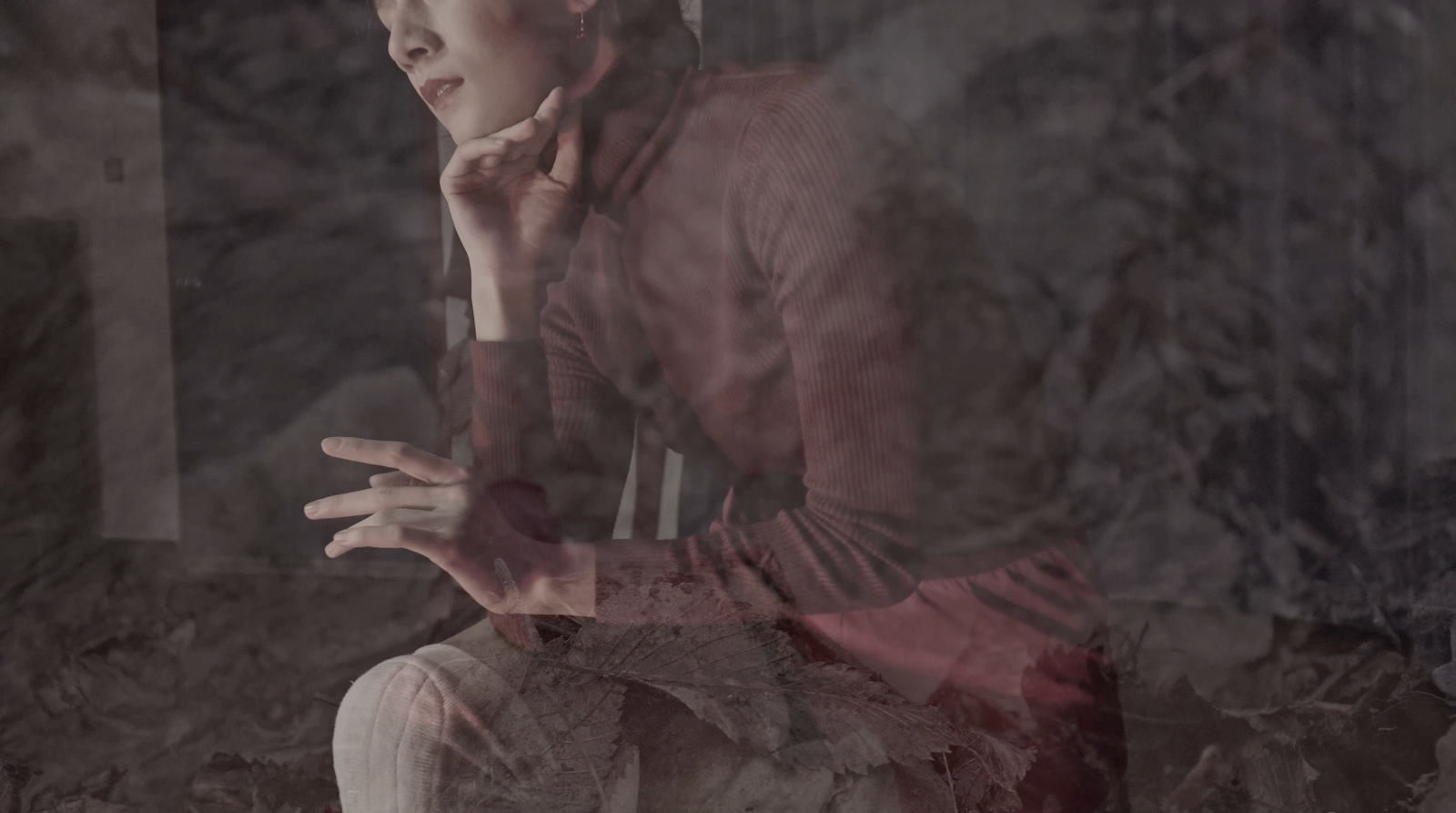
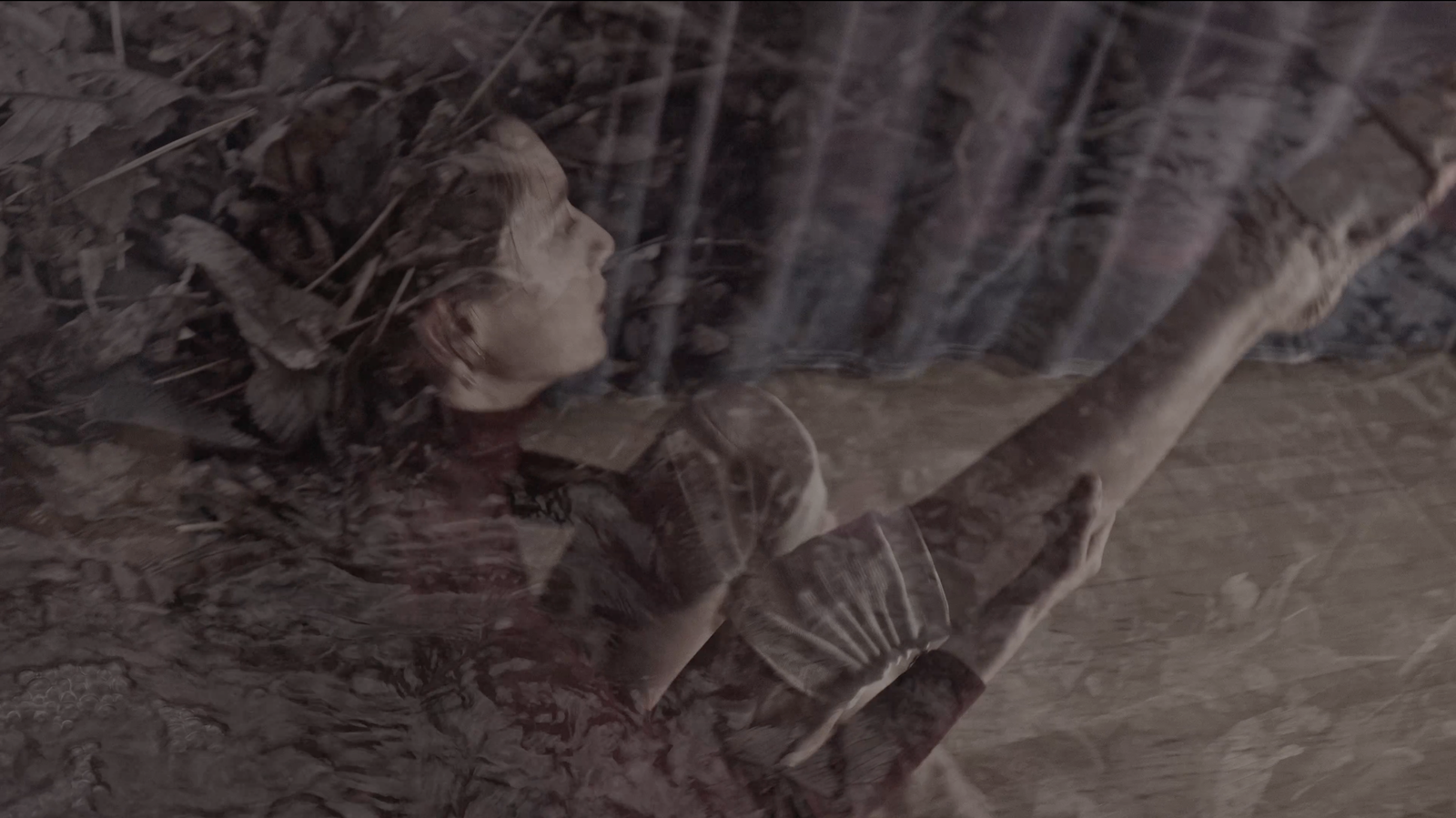
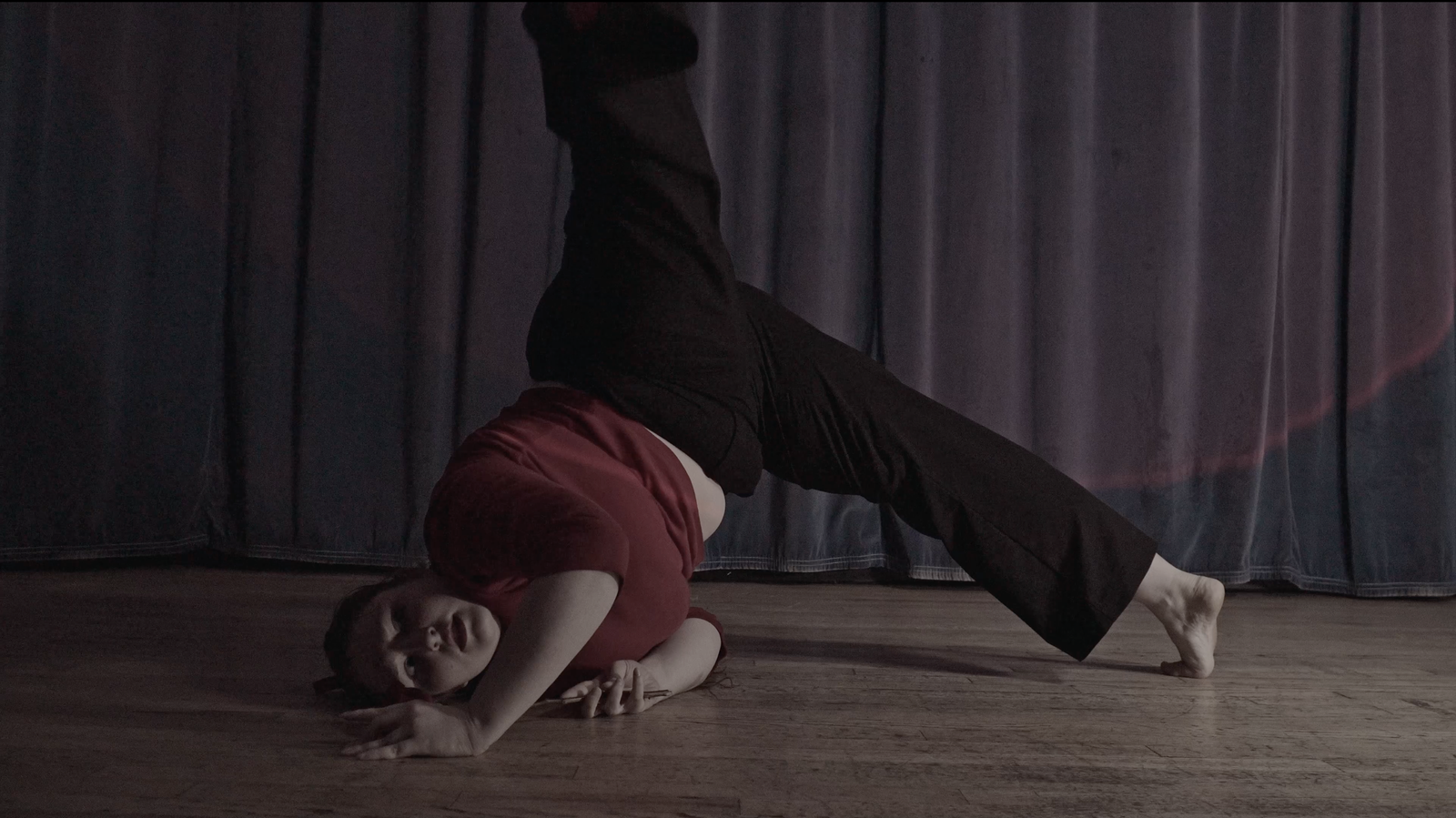
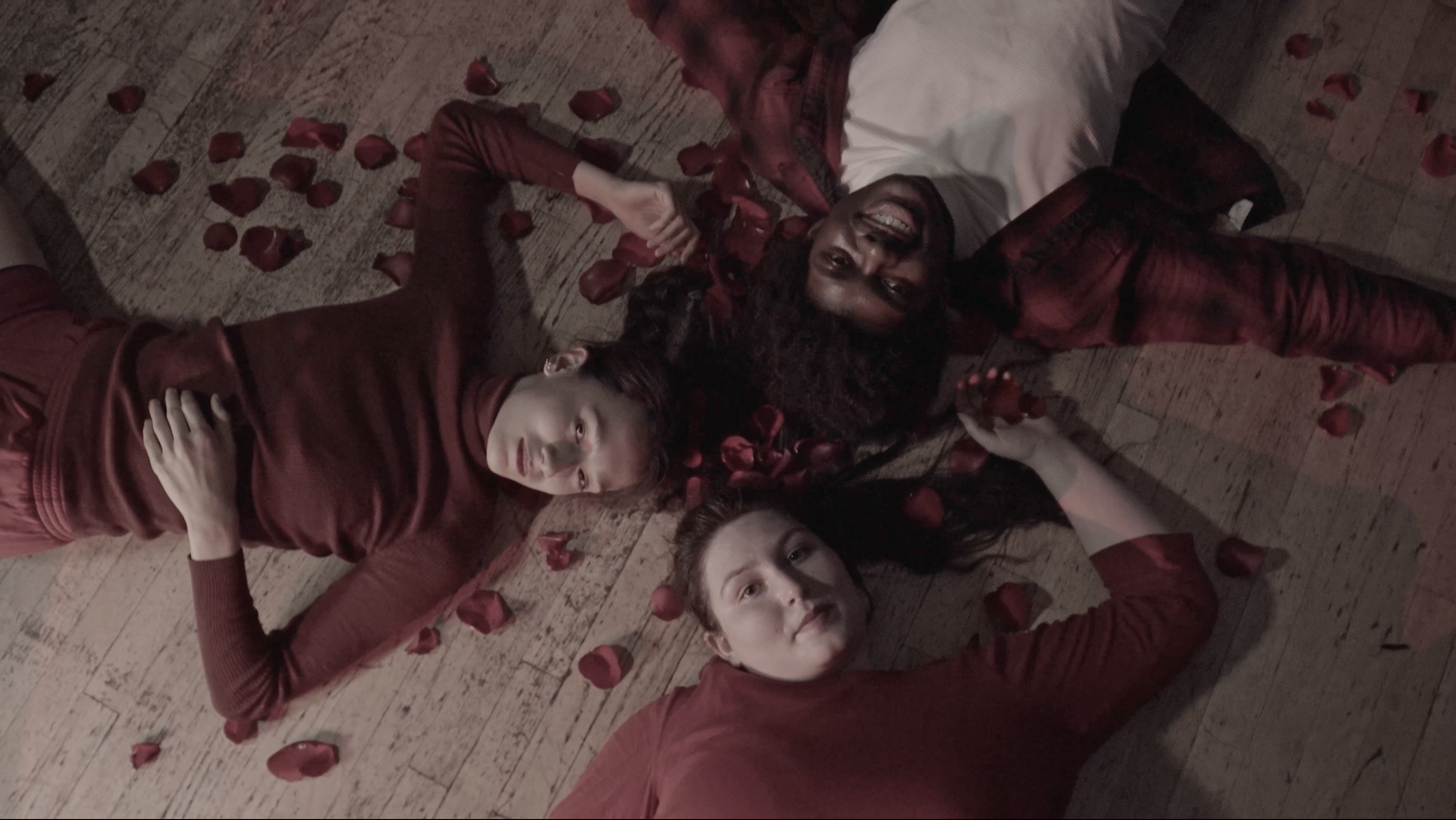
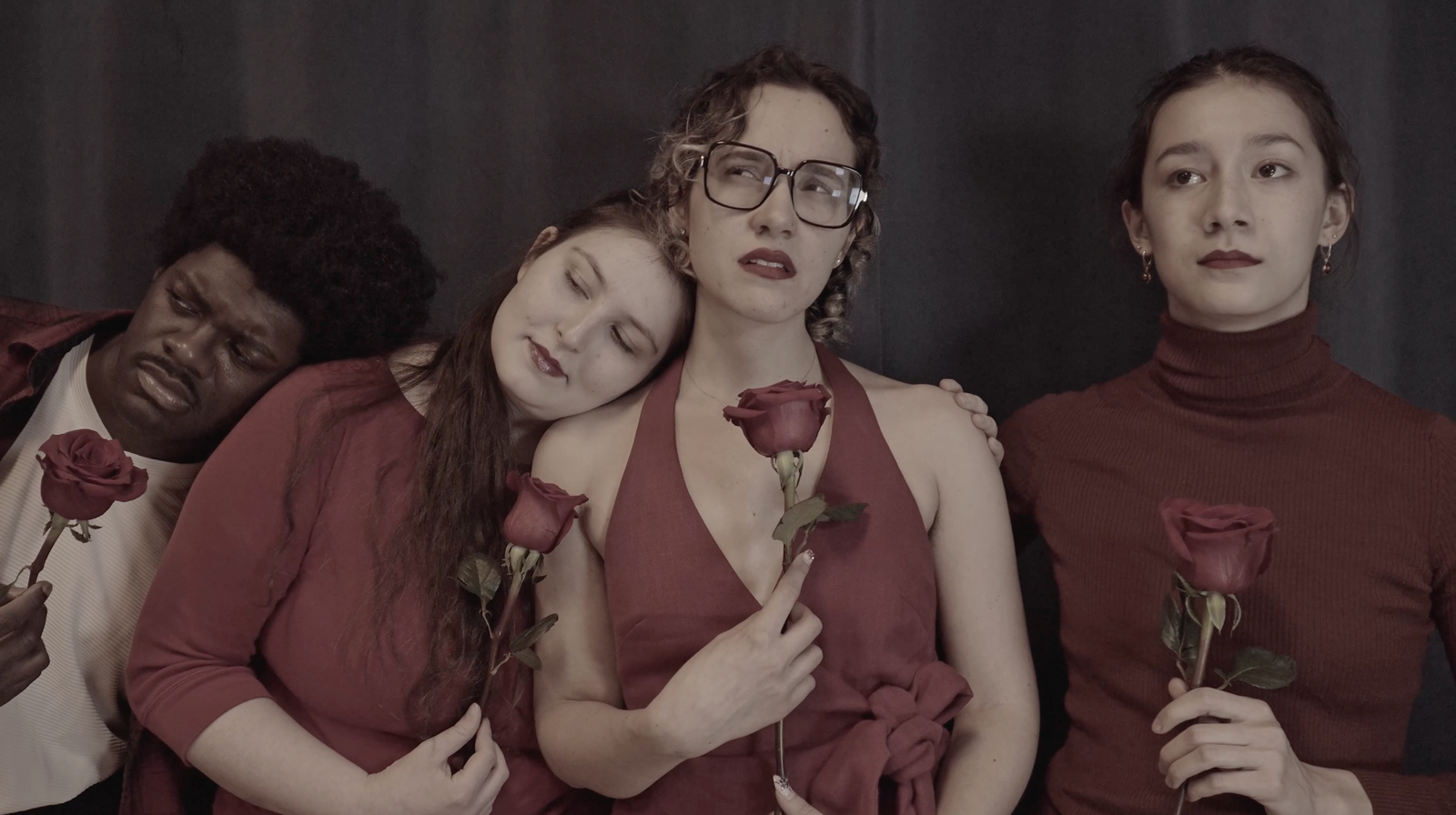
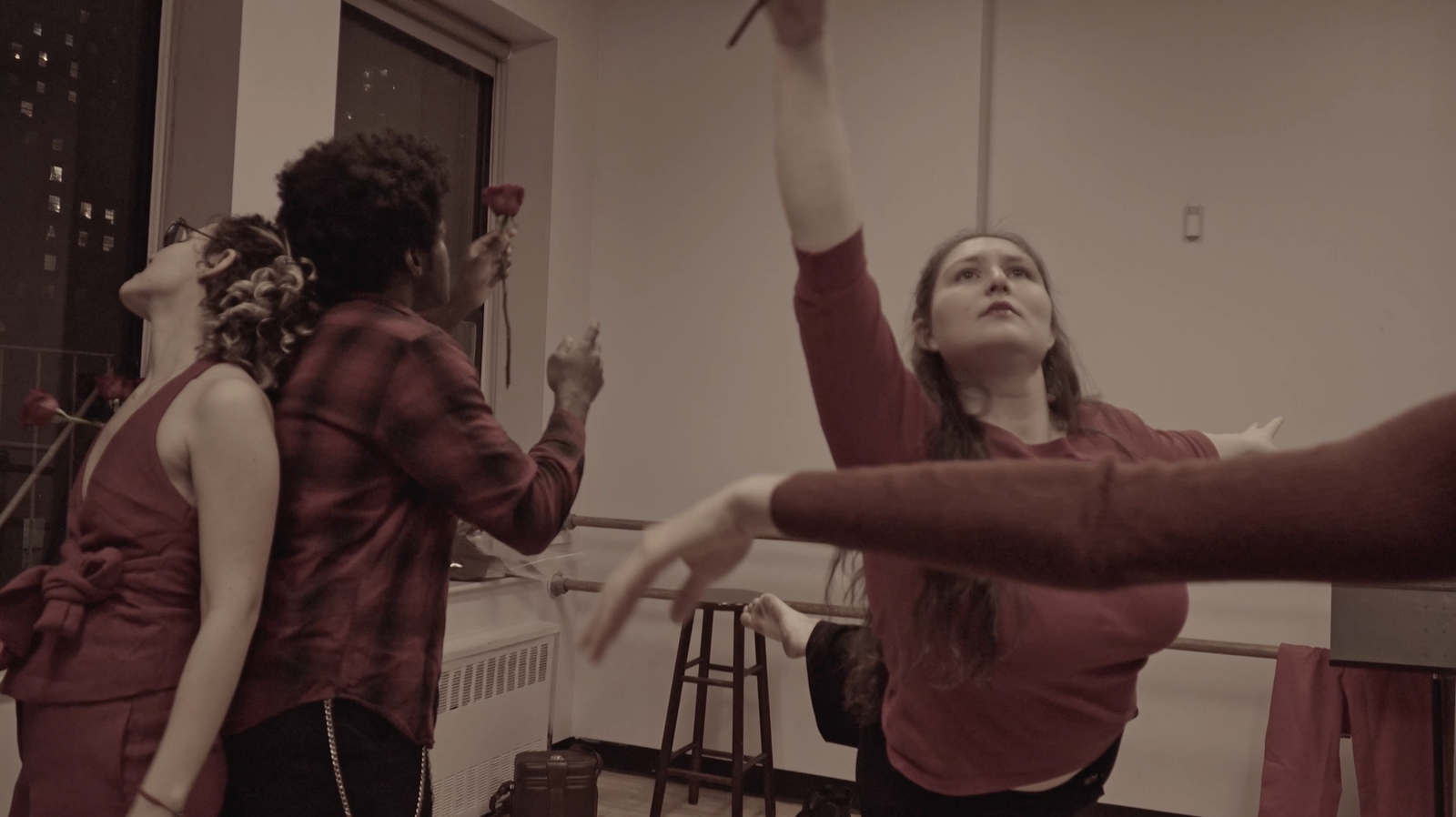
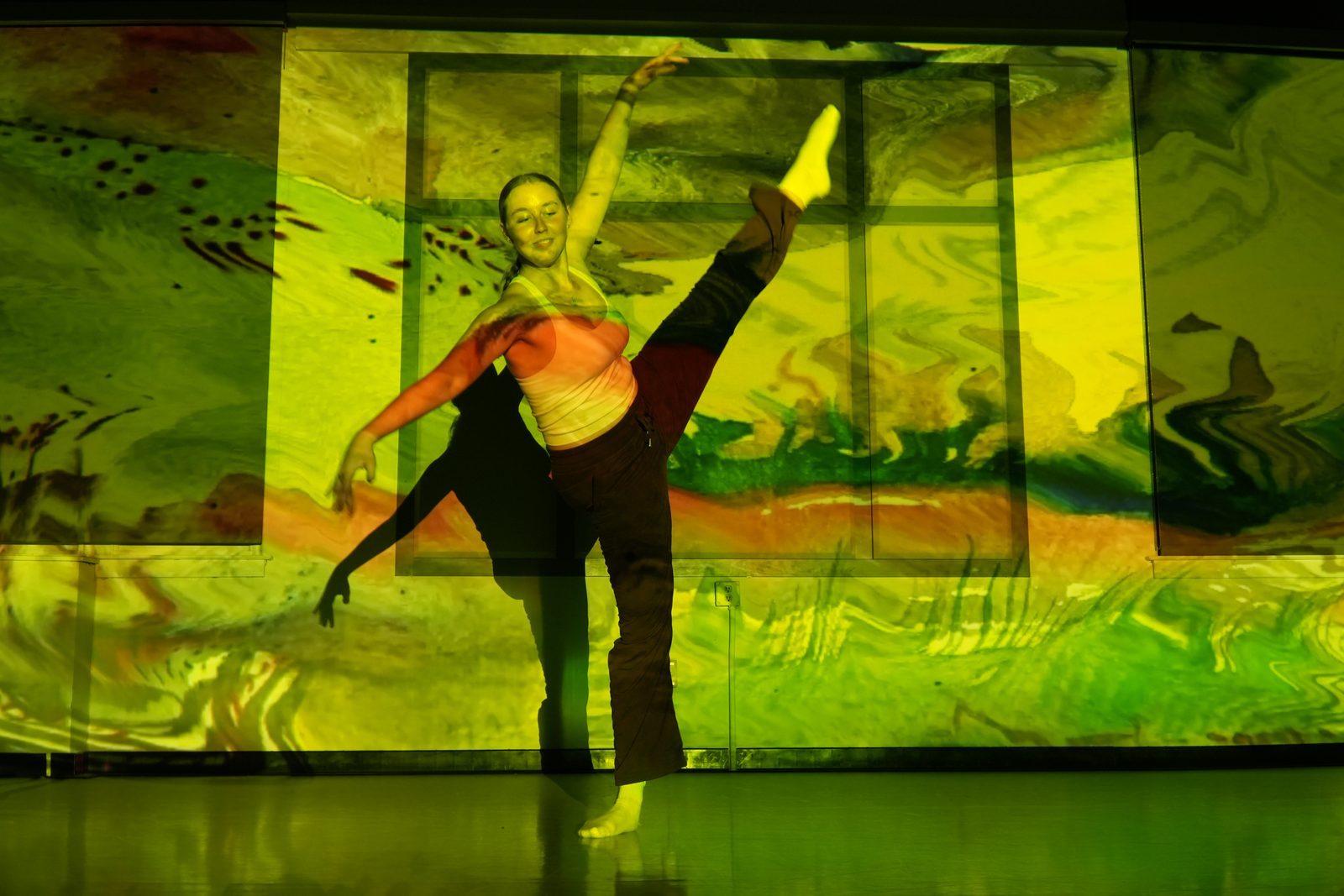
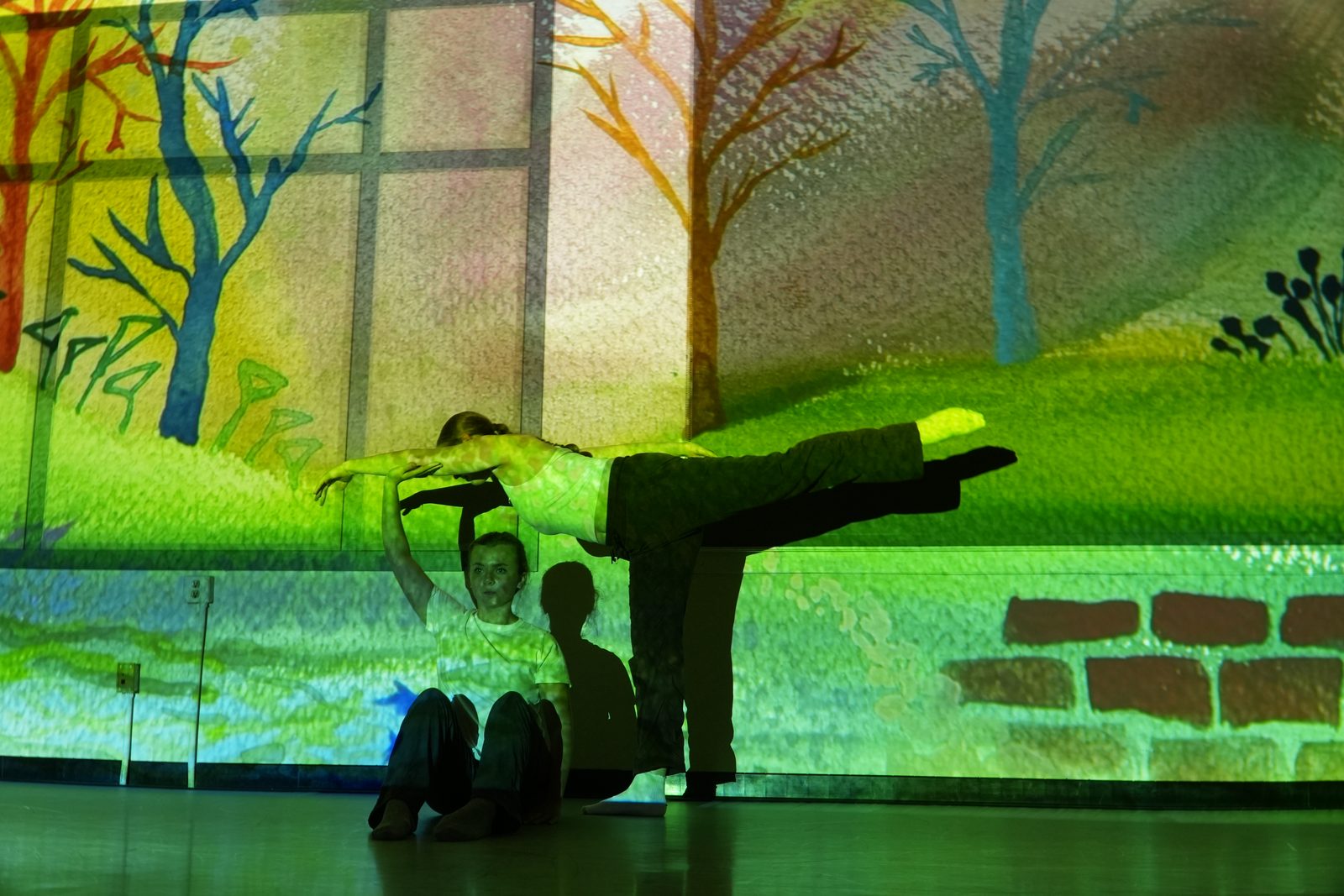
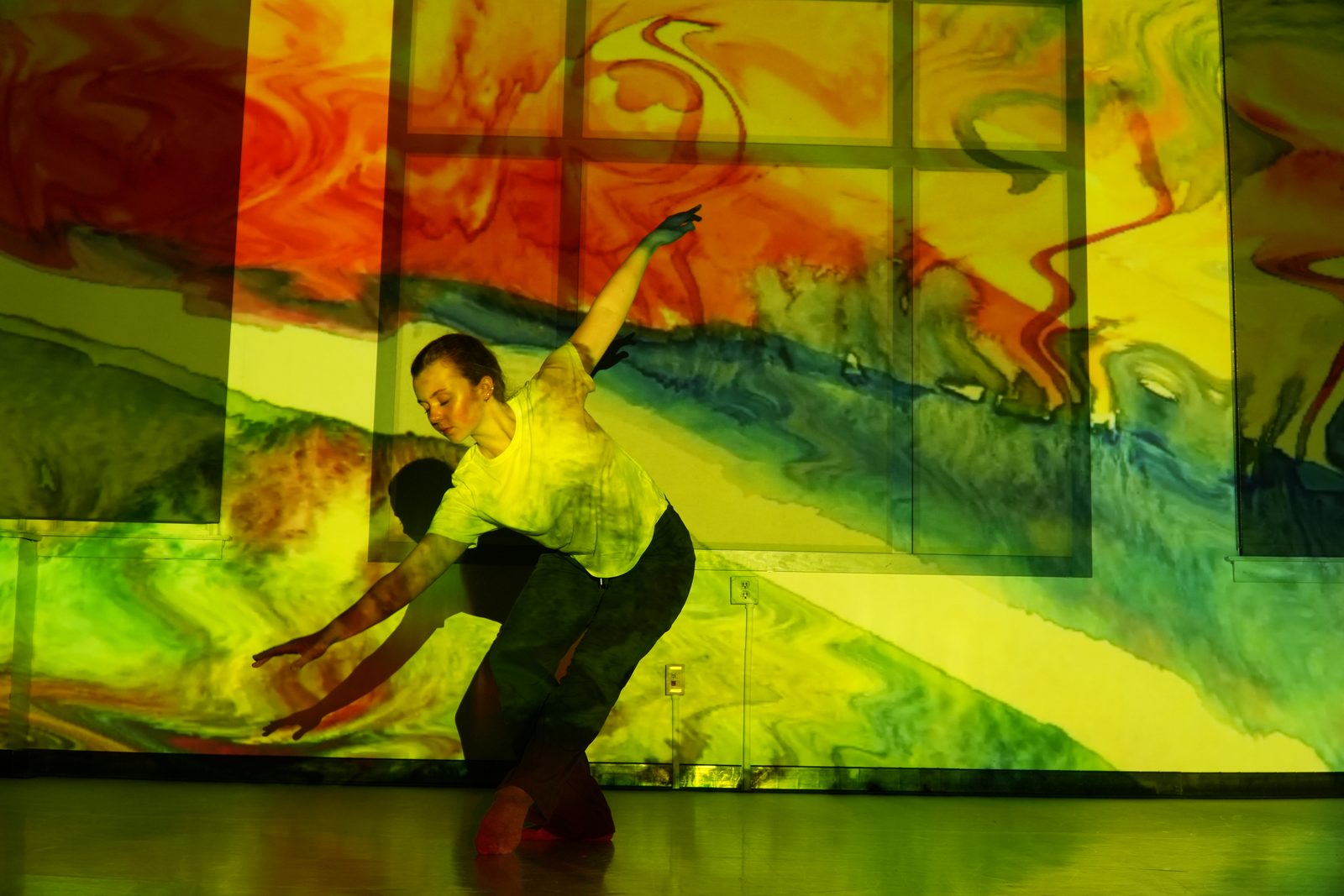
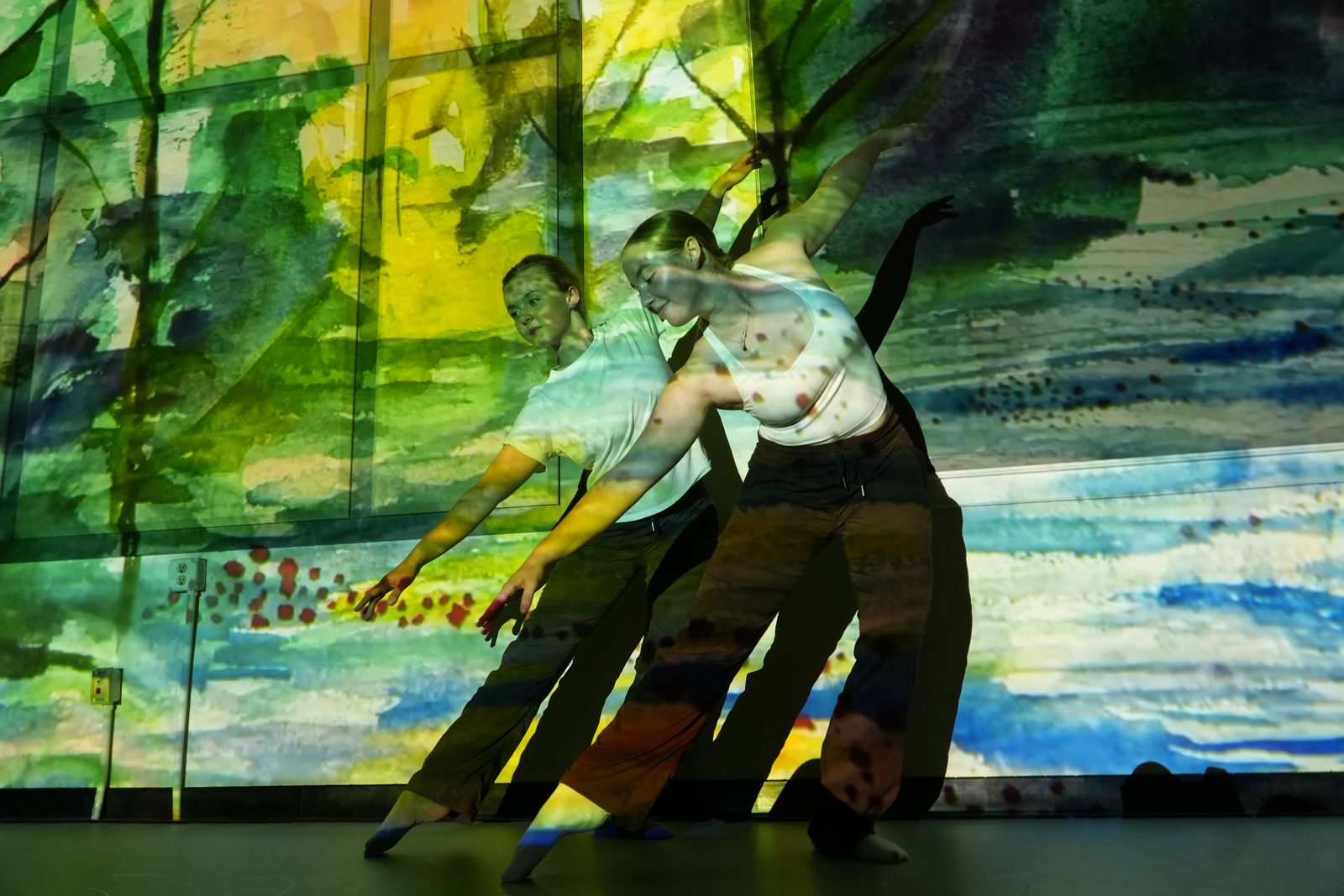
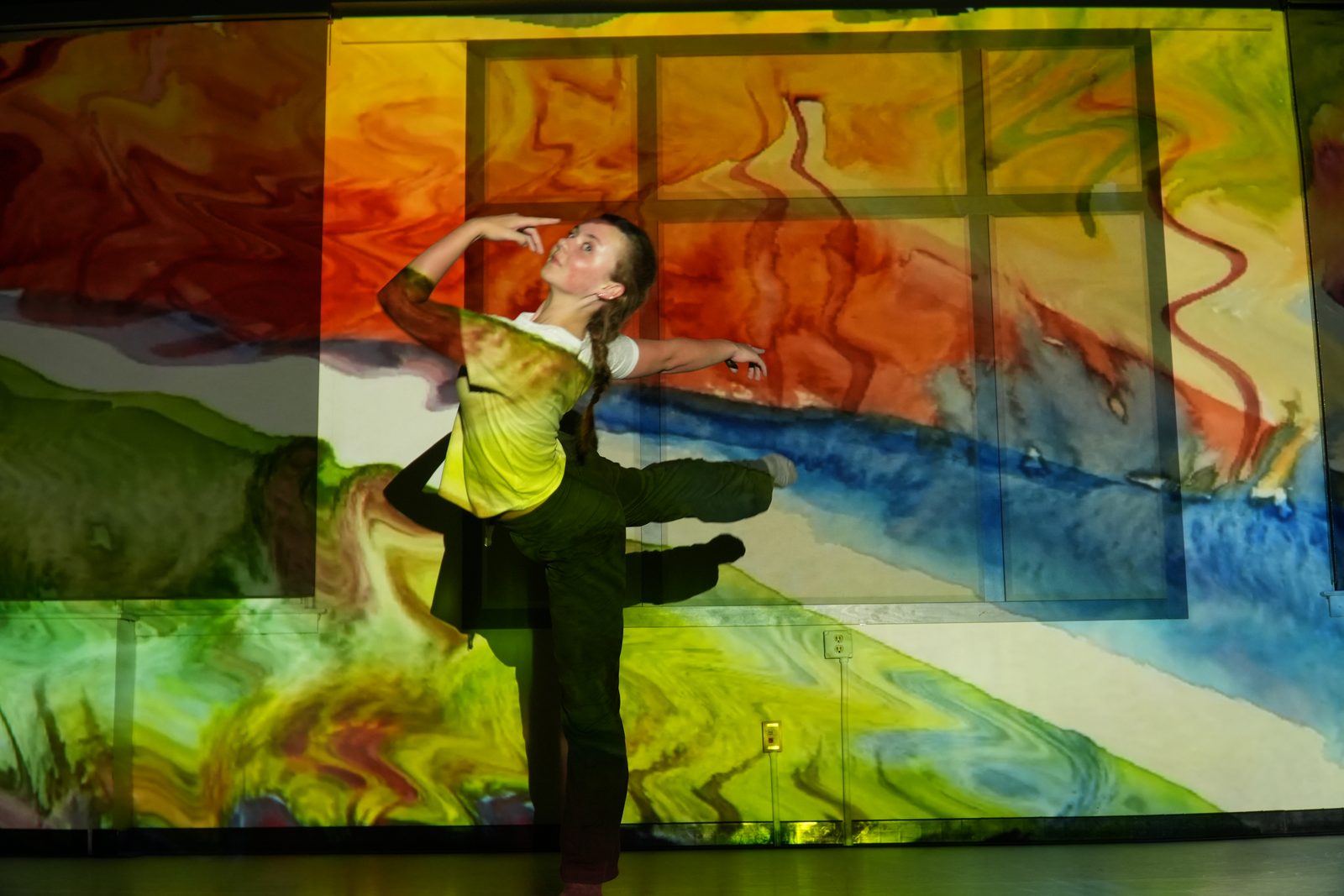
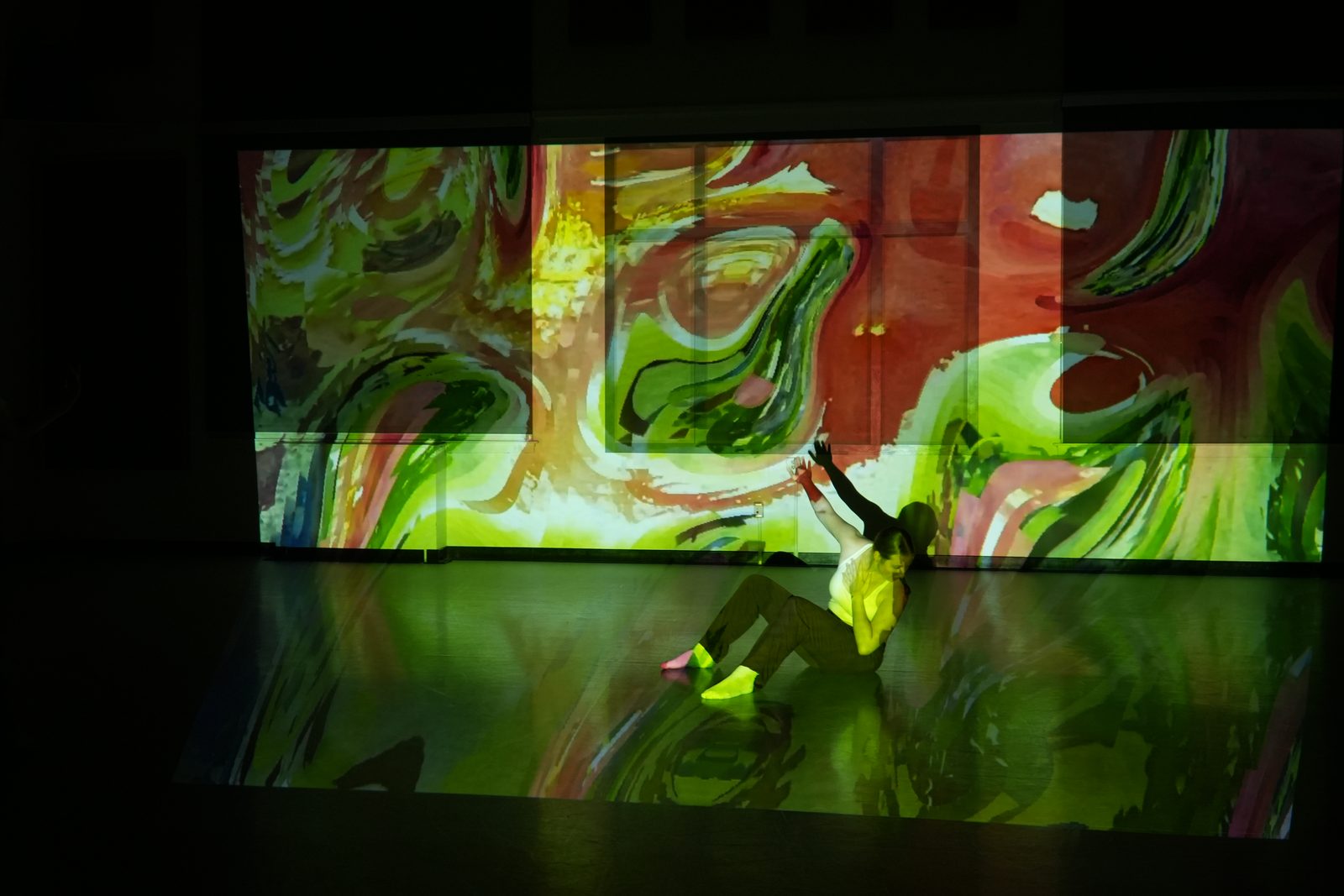
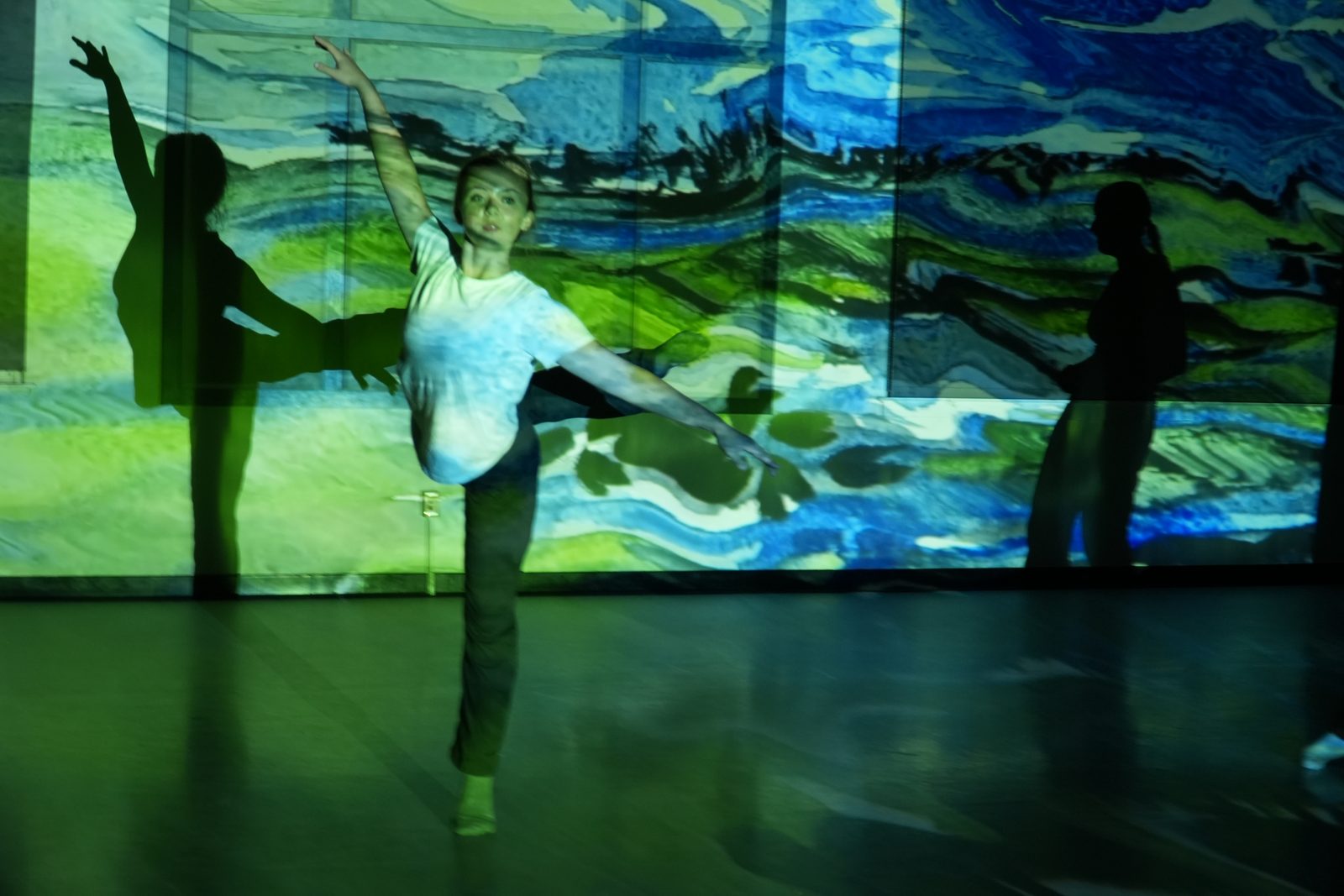
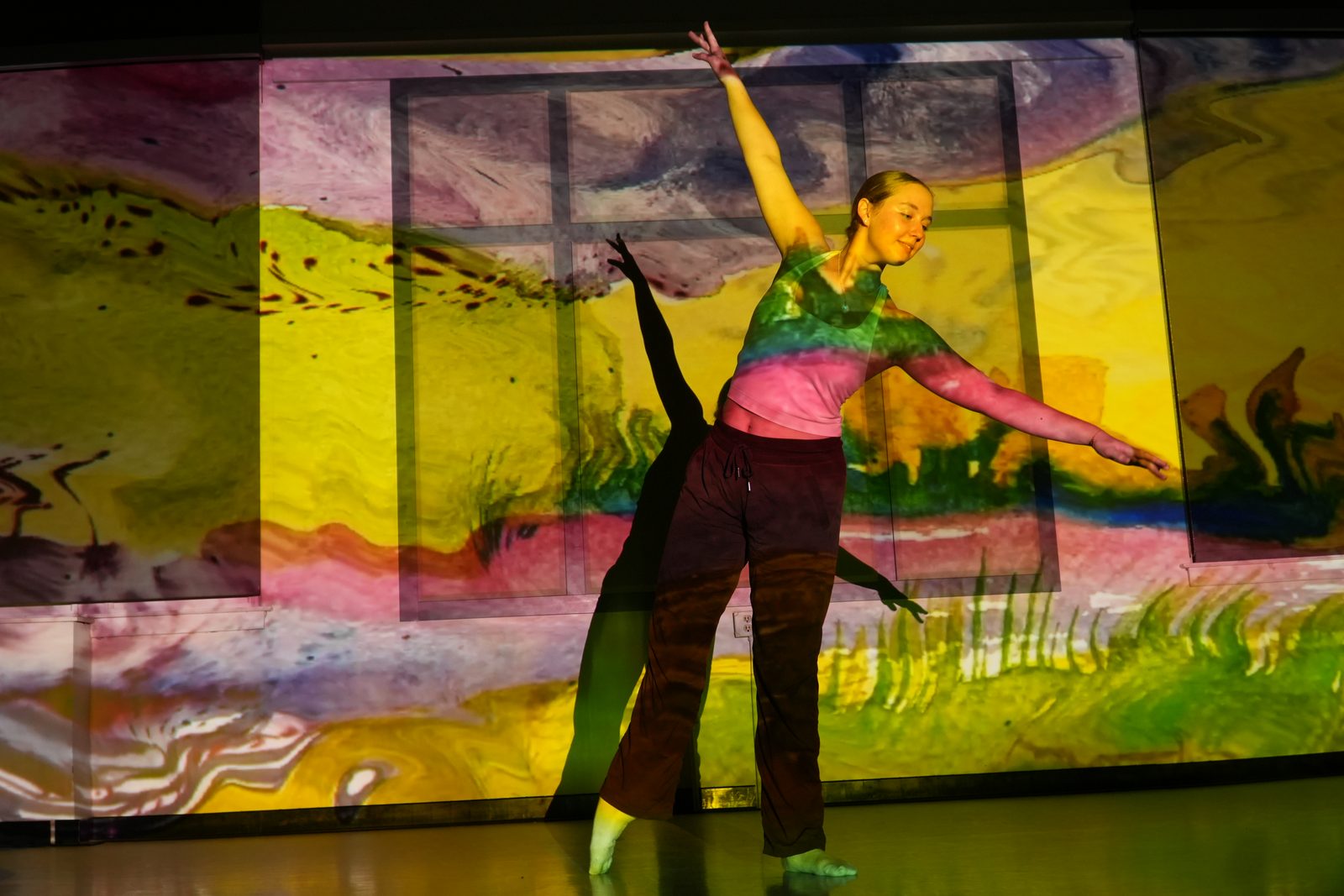
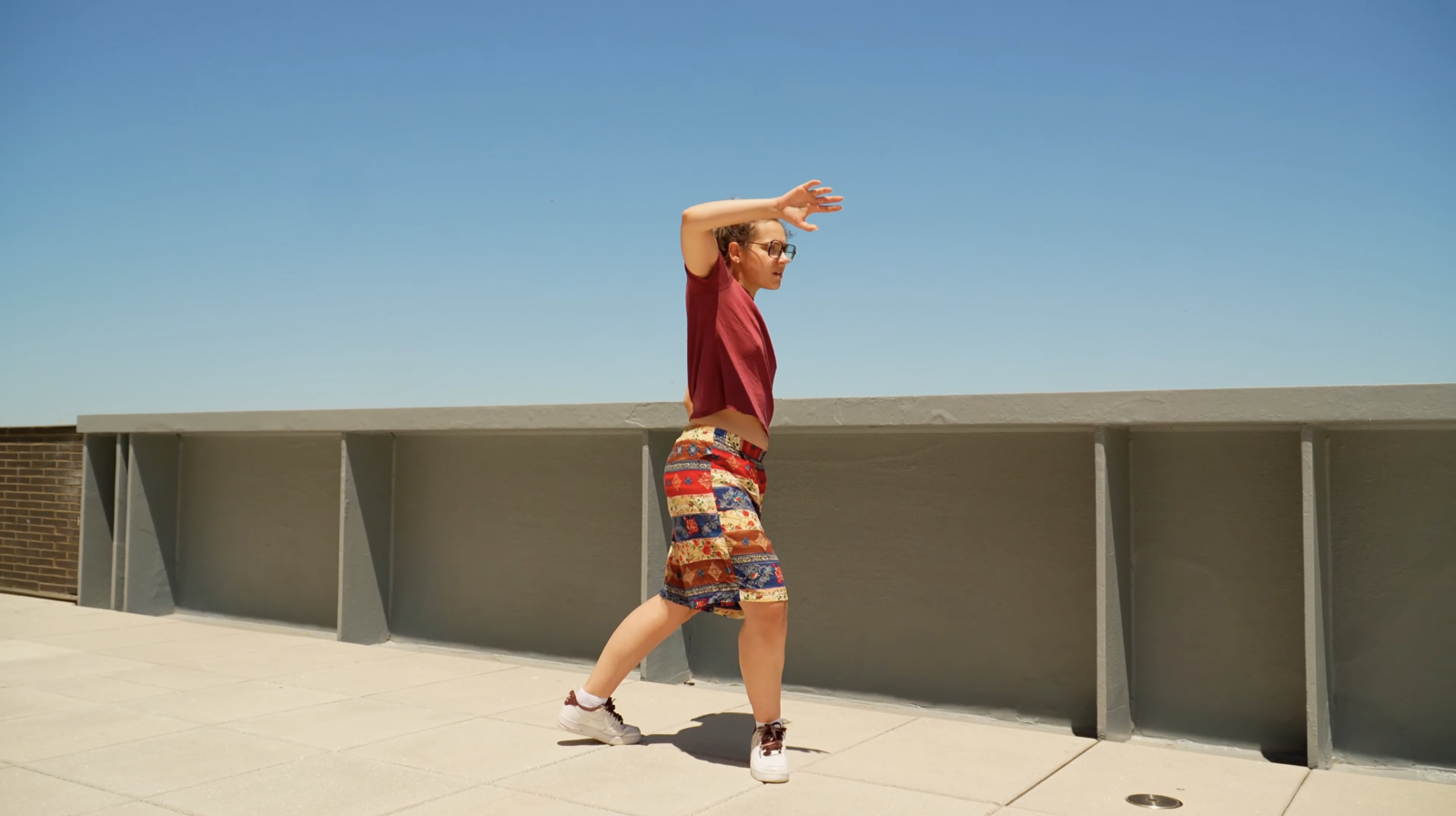
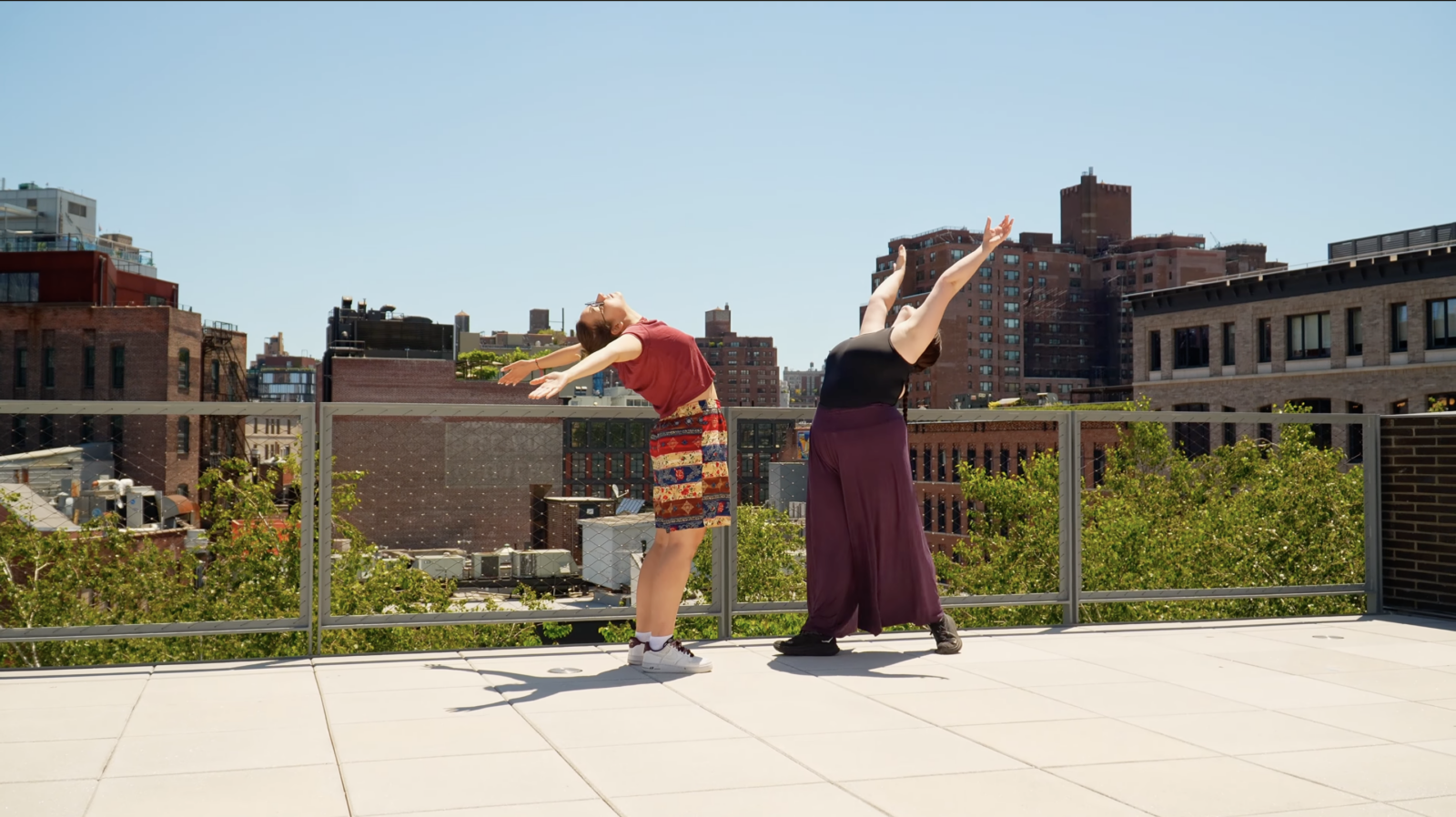
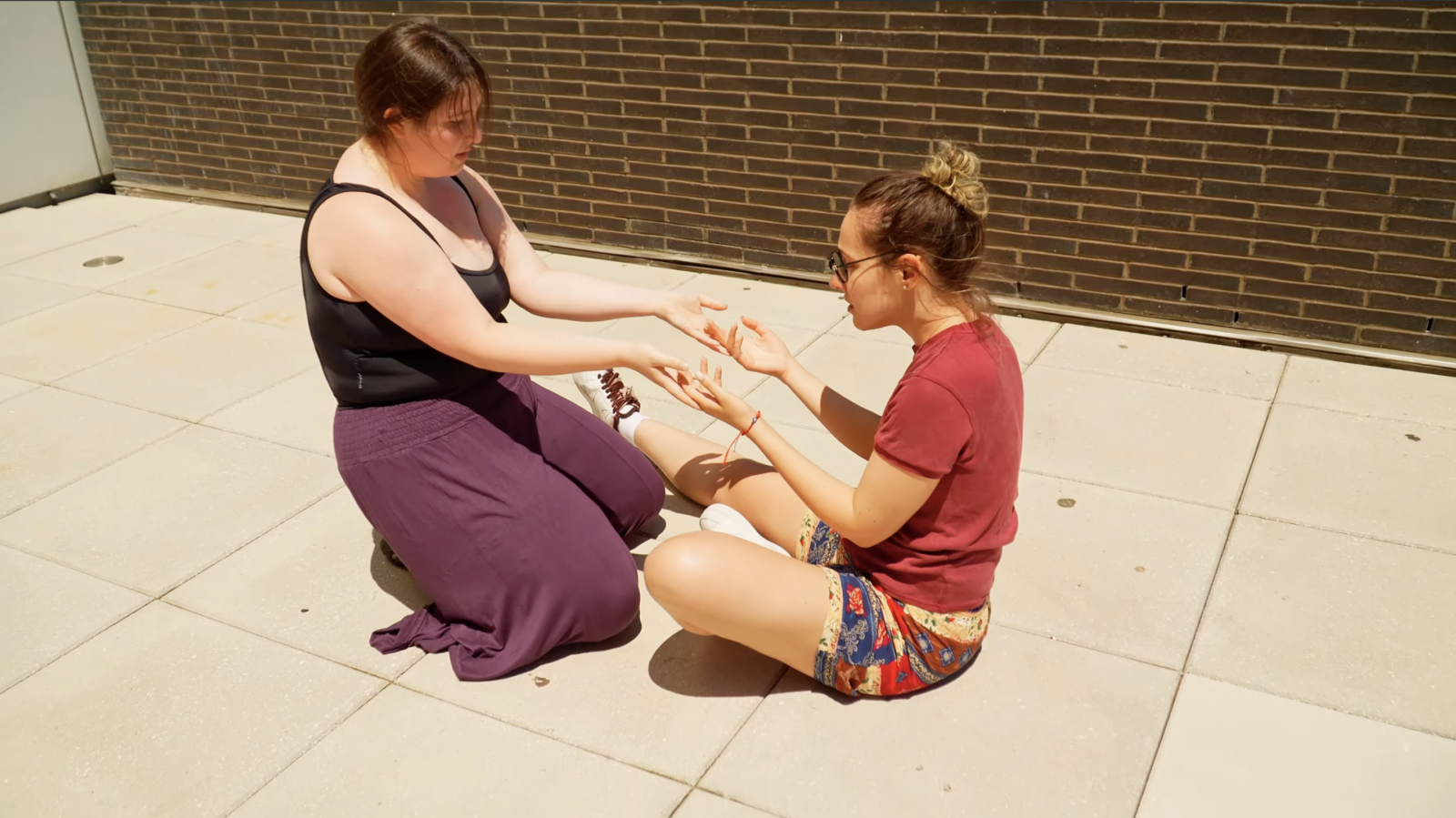
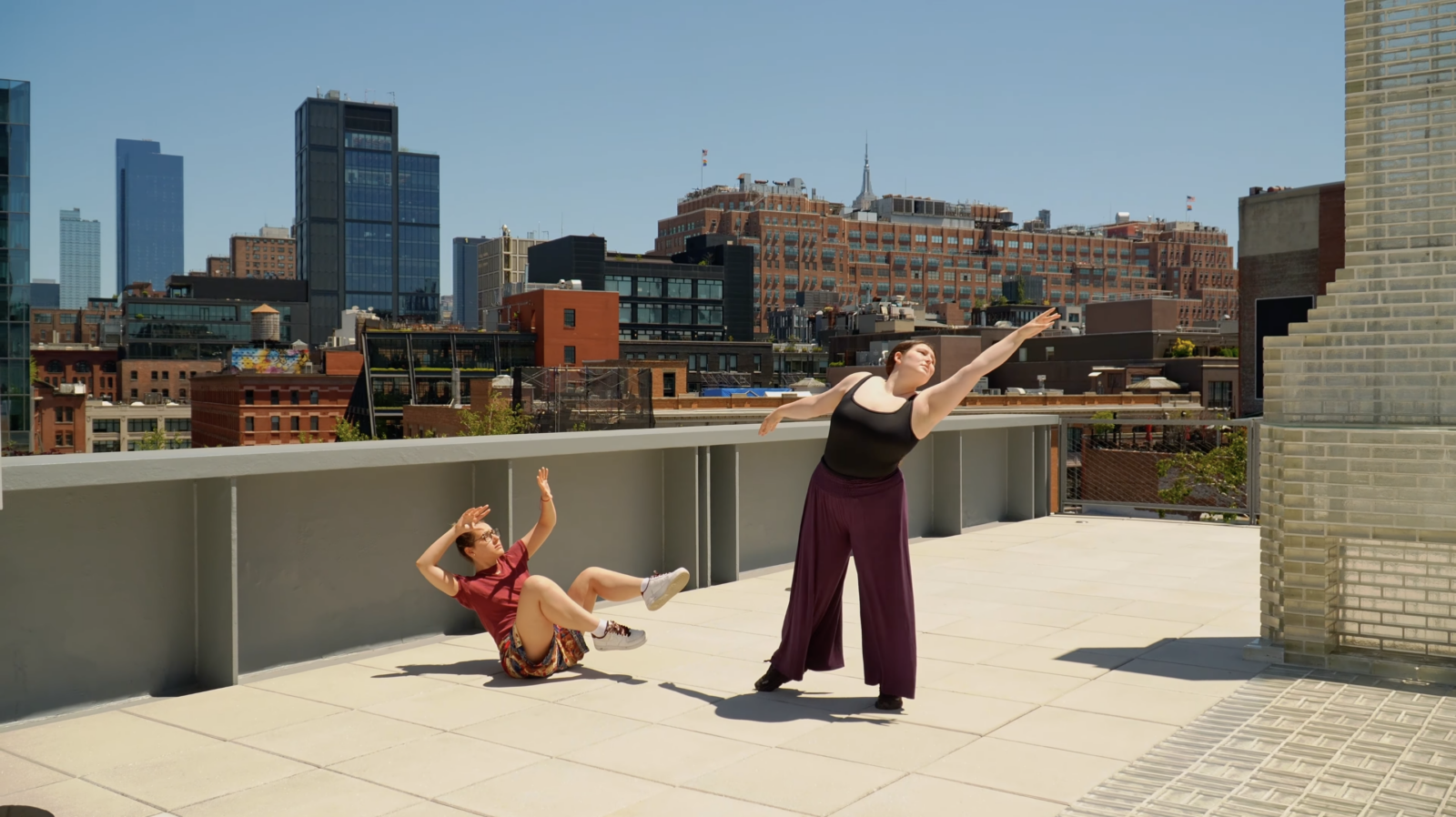
Spoonfed – Stills
Featuring performers Adara Allen, Nadia Benes, Marissa Caldera, Sally Thistle, John Trunfio


-
Aim Skyward
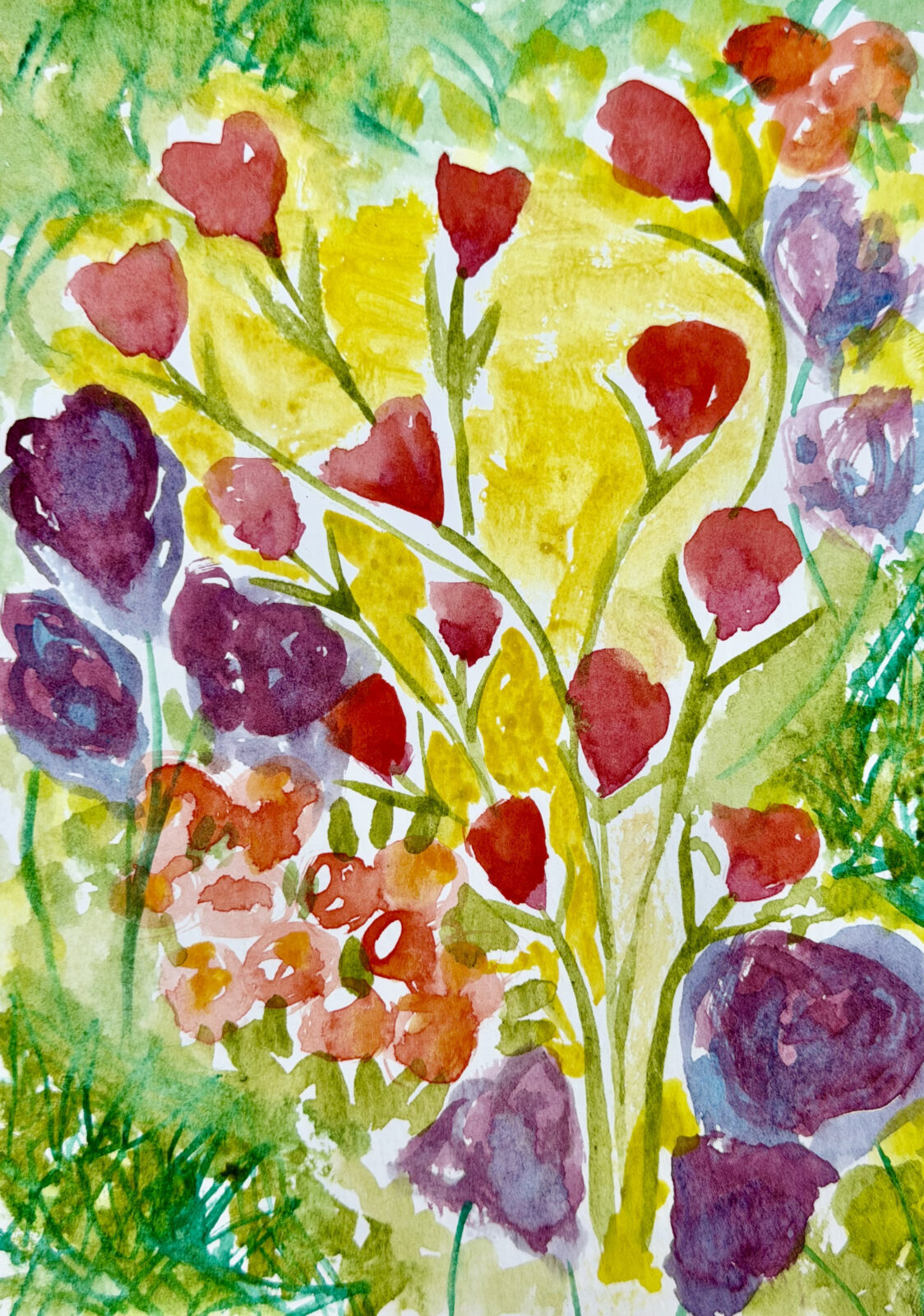
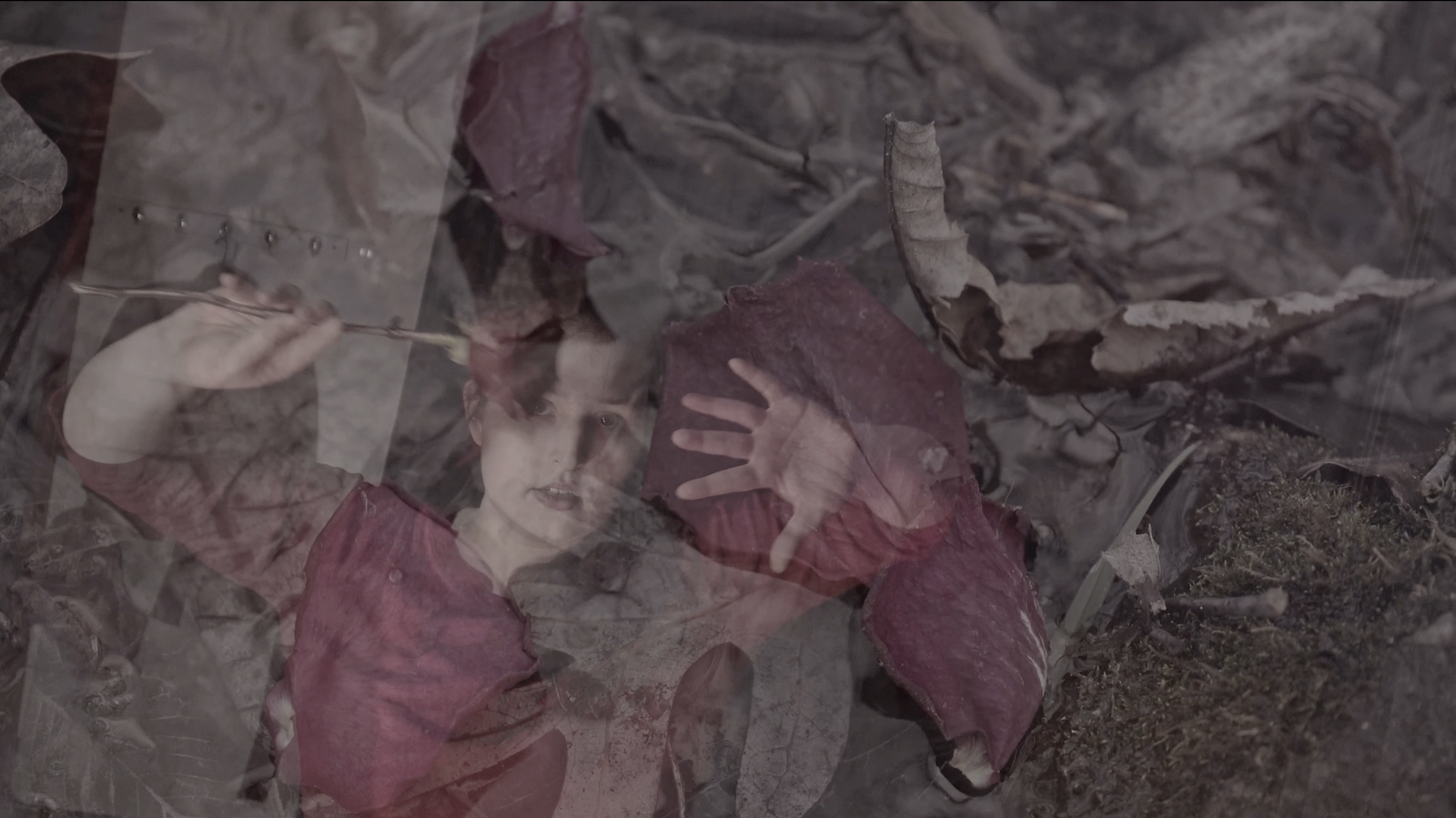
The healing capacities of nature are of the same essence as our own beauty and creativity. The Archer’s motions of preparation, release, and impact are meditative philosophies that guide our movements through achieving our goals. Aim Skyward turns toward hope and healing by being our brightest, most authentic selves. Its dynamic soundtrack of eight songs guides an emotional arc that corresponds to the blooming flower and the arrow’s flight. The choreographies are situated alongside three onscreen quotes from “The Way of the Bow” by Paulo Coelho. This film is inspired and supplemented by my own poem, “Sky-born,” as well as two paintings, “Blossom Essence” and “Where Air Meets Water,” below.
Aim Skyward weaves in subtle references to the history of NYC’s beloved Bethesda fountain, with the sculpture Angel of the Waters being the first public art commission in New York City by a woman, Emma Stebbins. An angel holds a flower with four dancing cherubs, figures that represent the qualities of peace, health, purity, and temperance, which the dancers in Aim Skyward bring to life. Rainbow textiles and loving choreography correspond with the statue’s queer history, including speculation that Emma Stebbins modeled the angel after her partner, Charlotte Cushman. Further, this film features dance in Central Park’s famous Sheep Meadow, a place of solace for countless New Yorkers where the iconic city skyline meets vivacious greenery and frolicking crowds.
A second pair of dancers first enter to the soundtrack of a documentary about photosynthesis from the 1940s, called “Gift of Green.” Aim Skyward coalesces into a montage of blooming flowers, digitally remixed on Hydra, a live coding visual synth, to illuminate their auric and kaleidoscopic essences. This approach is inspired by the watercolors of Swedish artist Hilma af Klint’s Nature Studies, her detailed botanical drawings with abstract diagrams made to reveal “what stands behind the flowers,” toward her conviction that studying nature uncovers truths about the human condition. In all, Aim Skyward draws from the works of Hilma af Klint, Paulo Coelho, and Emma Stebbins to guide the viewer through the arrow’s archetypal flight.


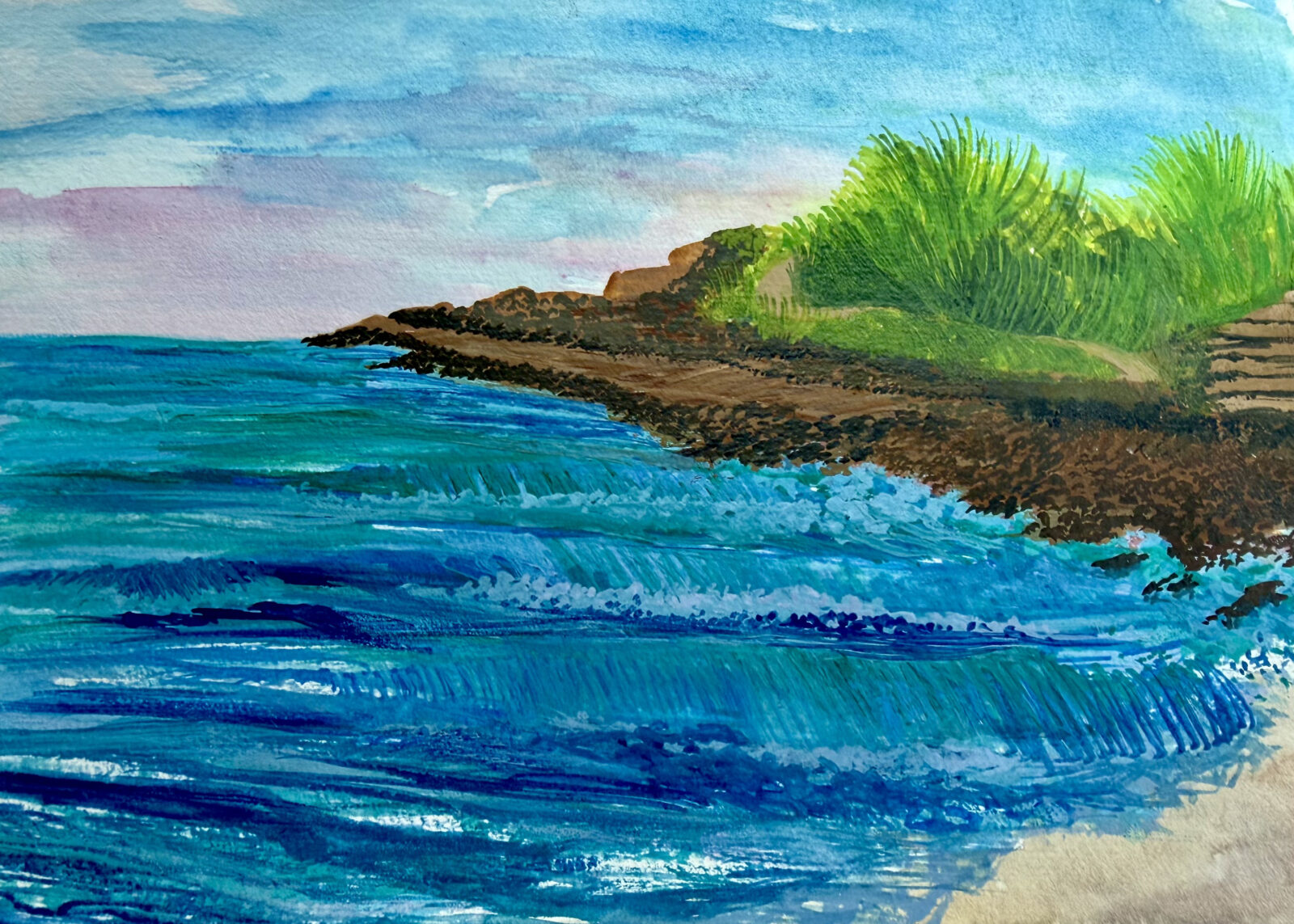
Accompanying paintings diptych: Blossom Essence, and Where Air Meets Water
metallic acrylic gouache on paper, 5"x 7"
developed as part of the research process for Aim SkywardSky-born
Archer, in premise near
arrow flutters forward–
bitter poison
lost to wind
as runner’s breath
and distant cries
in thin-winged descent.
Skyline softens
in veined constellations
O heliotrope bloom, steady my draw–
guide me toward fletched doves
who roost in wind-worn rafters
along vine-tangled roads
Summon me back
to the soil of care, yielding humility.
Cirrus petals catching dawn
innocent precipice of rainbow
quiet drawback, taut string and arms
aim my fashioned weapon, breathy
release into circular destiny
arc of uncharted return
Read the poetry chapbook Sky-born is excerpted from, Revenant // WindsweptProcess notebook fragments:
"On the ground, I wondered if gravity would hold me here forever, or if Earth's circular momentum would take me away. The remaining, grief stricken, look towards the sun as a final trajectory. Only flowers know the littleness of a day; our eyes die to their time."
"I almost have enough memories to be happy. If only I could revisit them without losing the present. If only I could stay present without them slipping away. Arrows fly forward without hesitation, but with a preparation akin to underground root networks.
"Trees draw down their green through winter; what looks like withering returns energy to trunk and root, fueling generative rest and sheltering insects in fallen leaves. A flower bloom emerges from unseen strength: the stalk, like an arrow, grows against the wind; the archer is stronger for it. Plants reveal that the breath, beauty, and nutrients of life dance toward connection, toward intention. Bodies and choreographies, moving forward through time, are always informed by seasonal elements." -
Gently Attuned
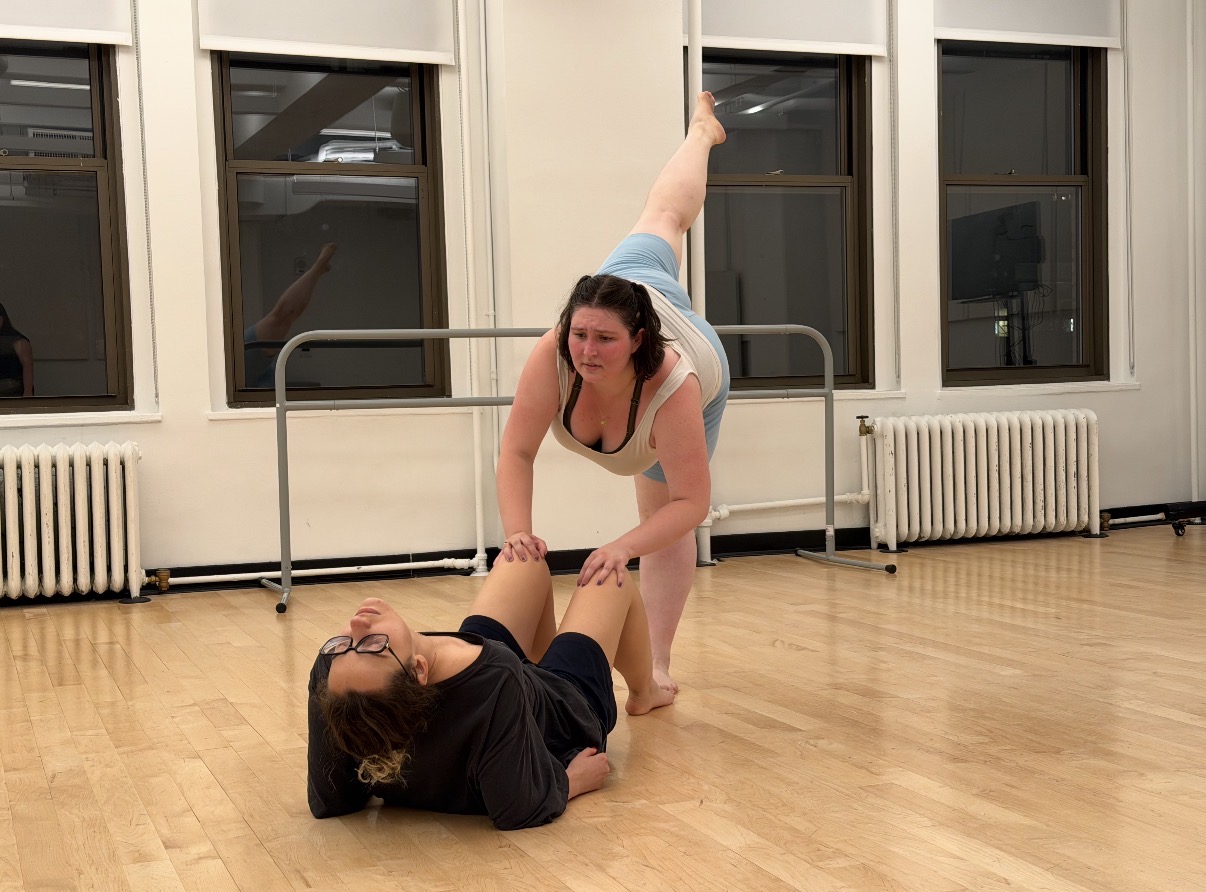
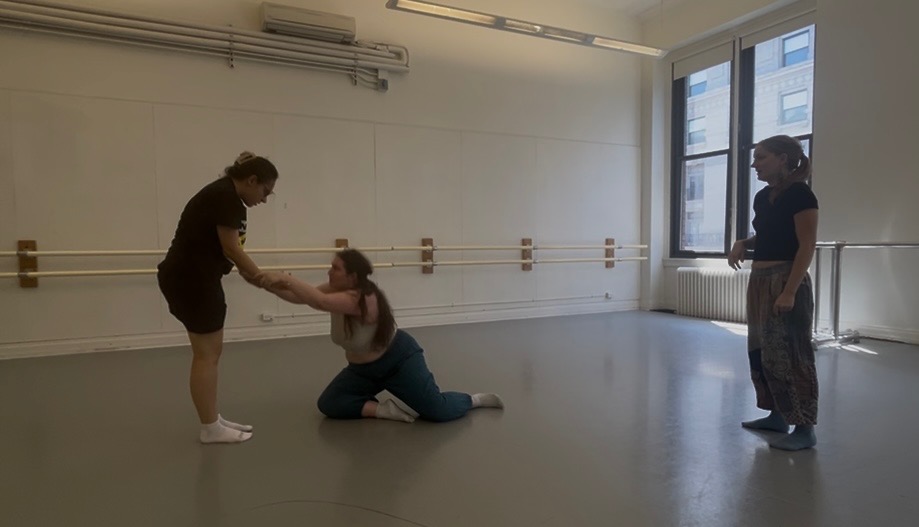
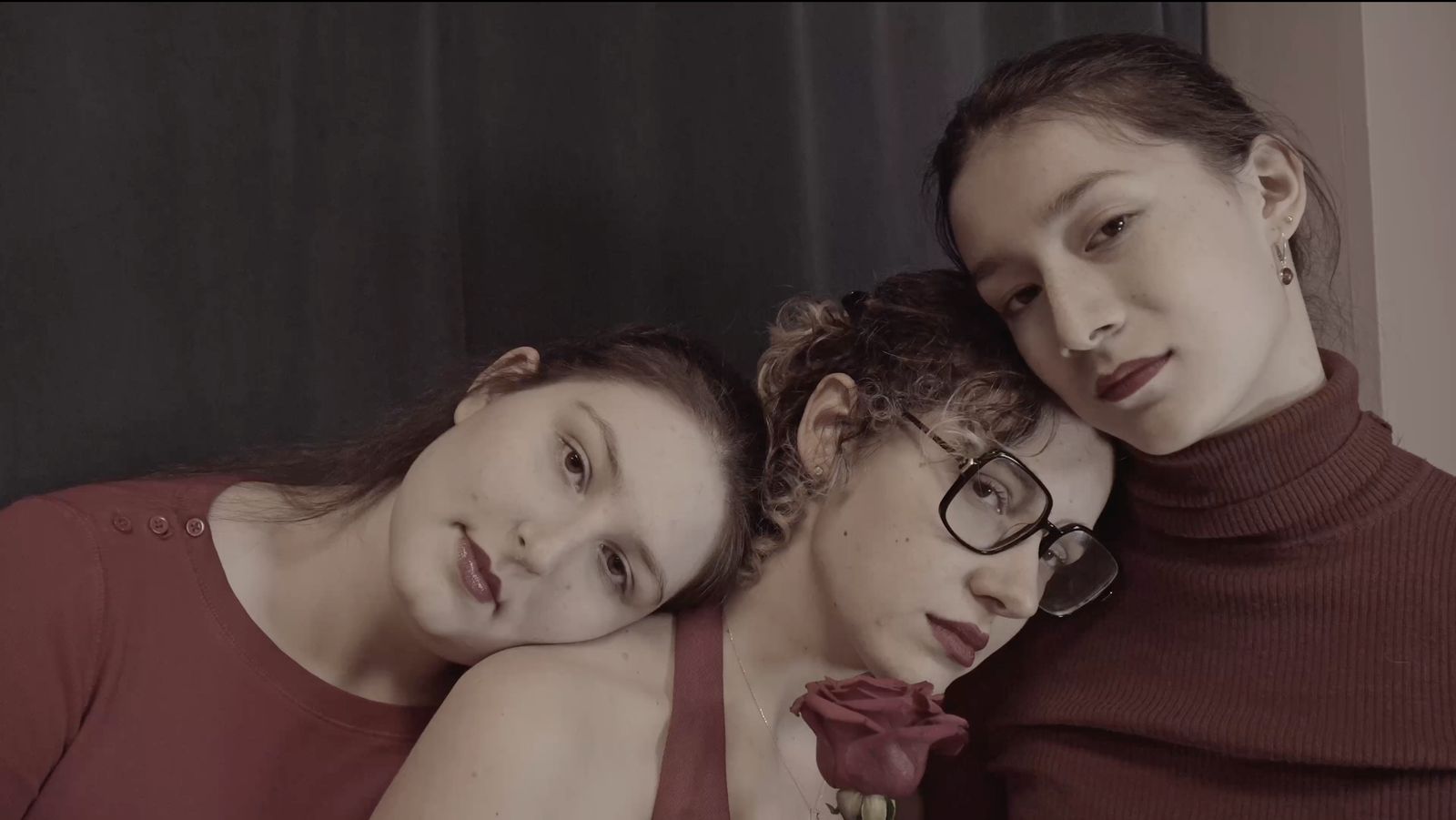
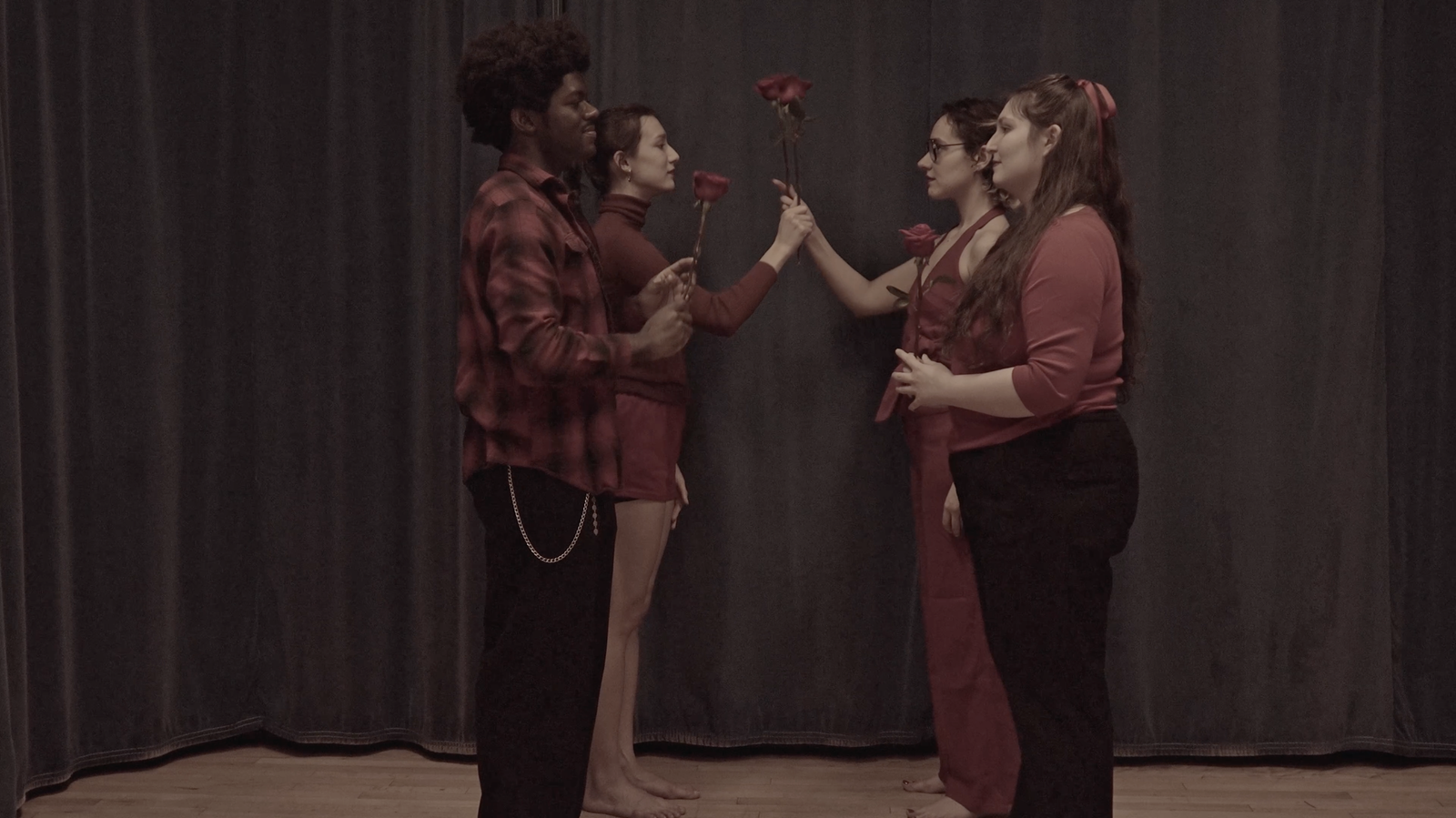
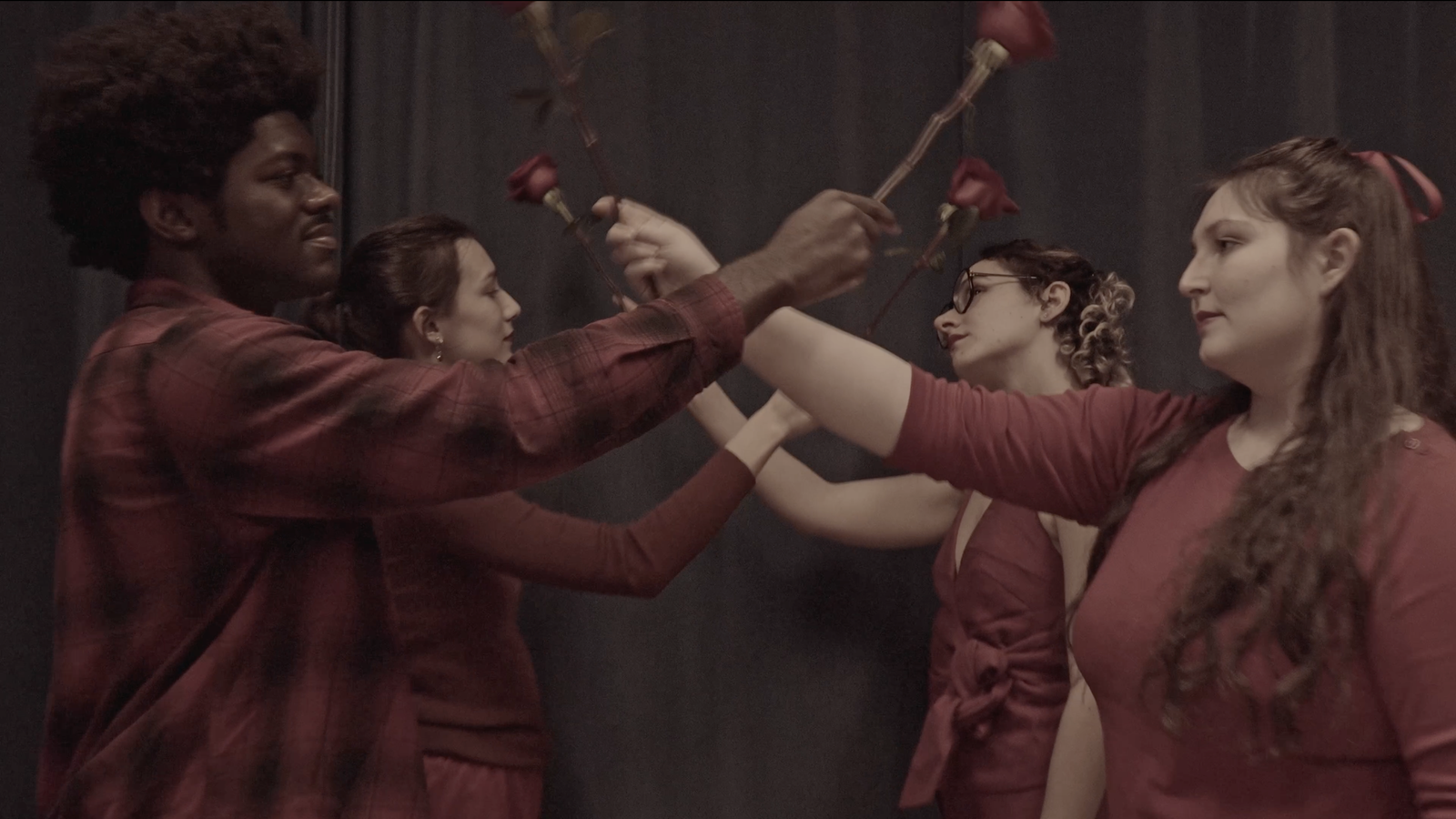
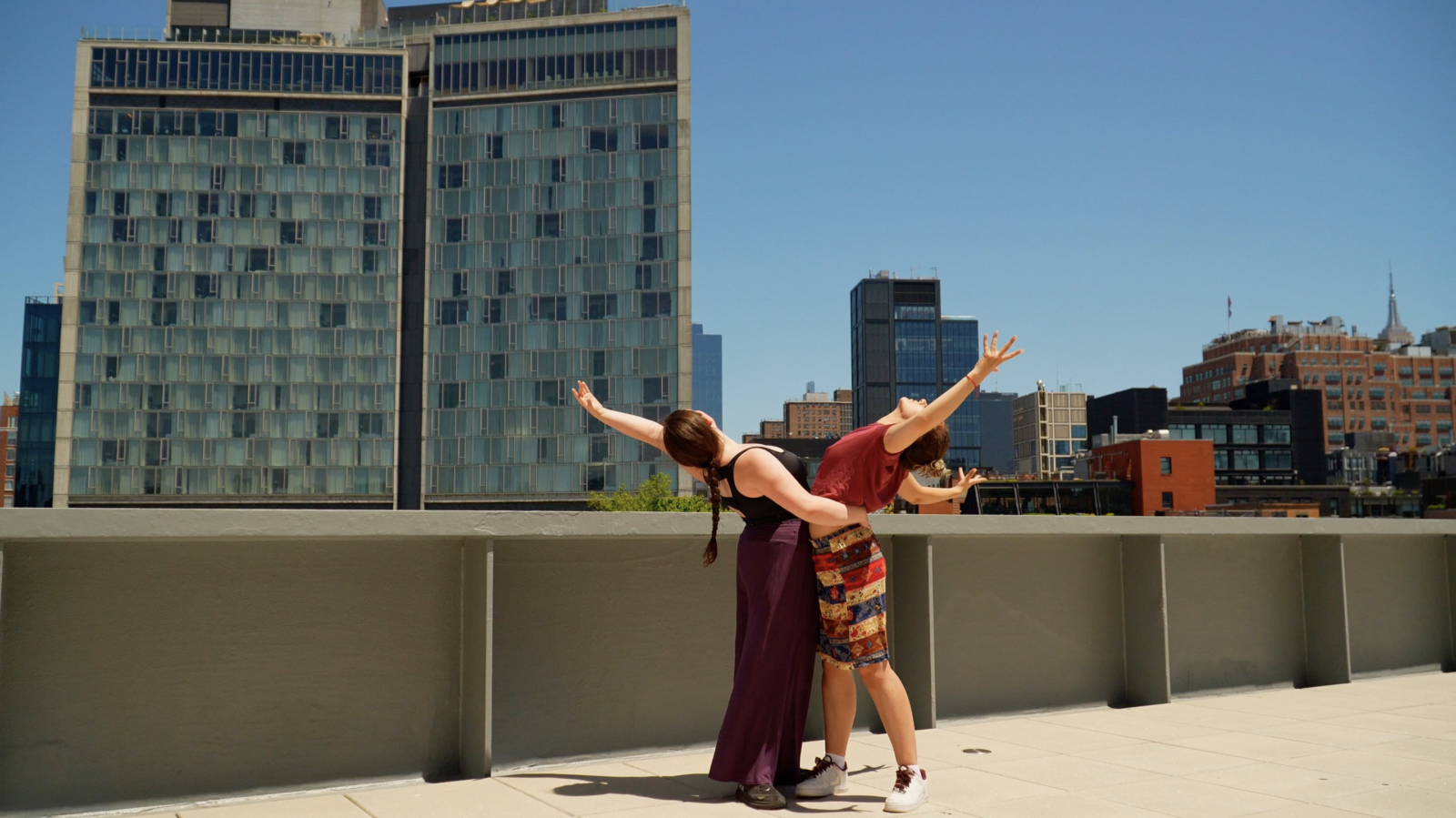
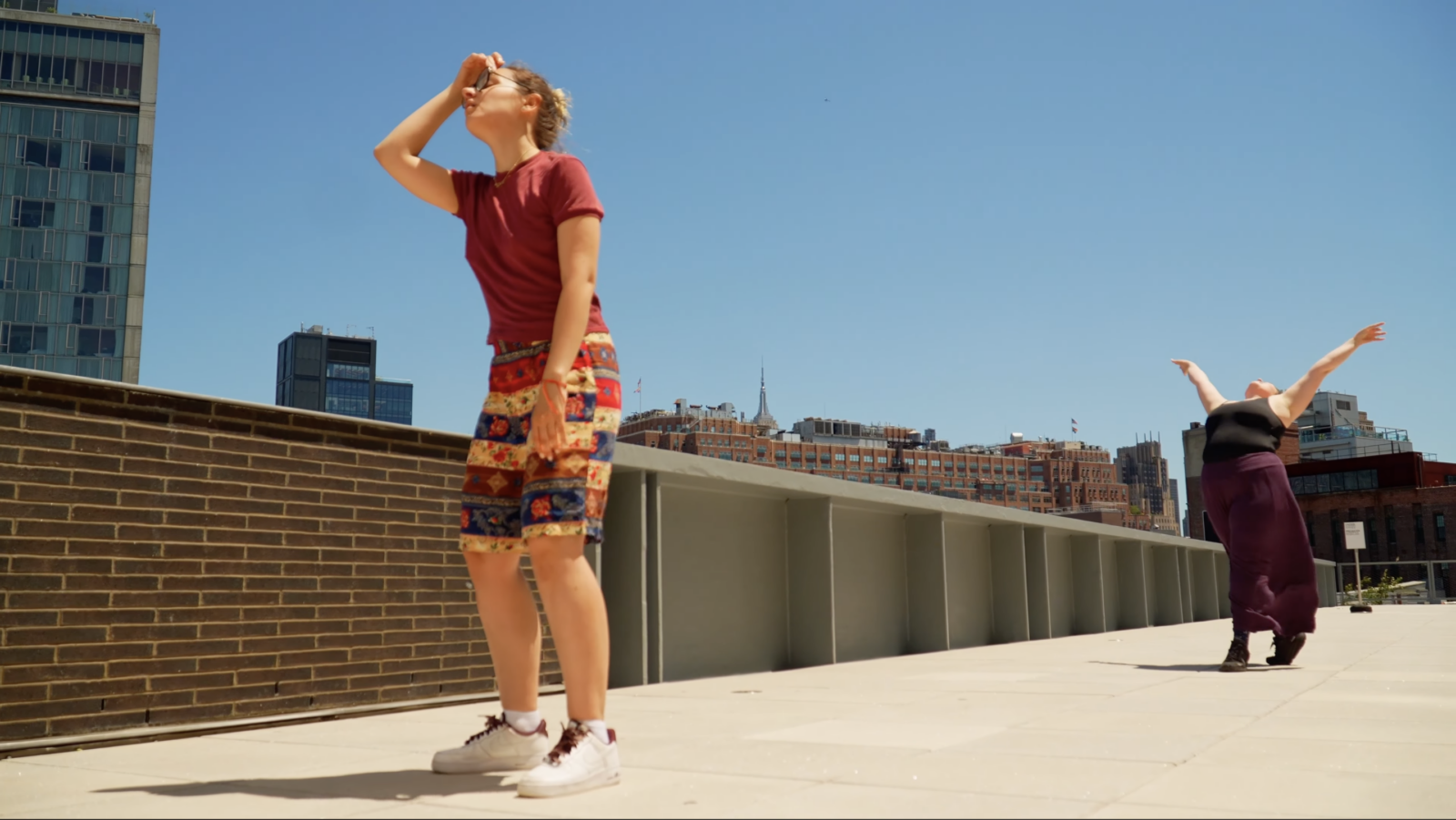
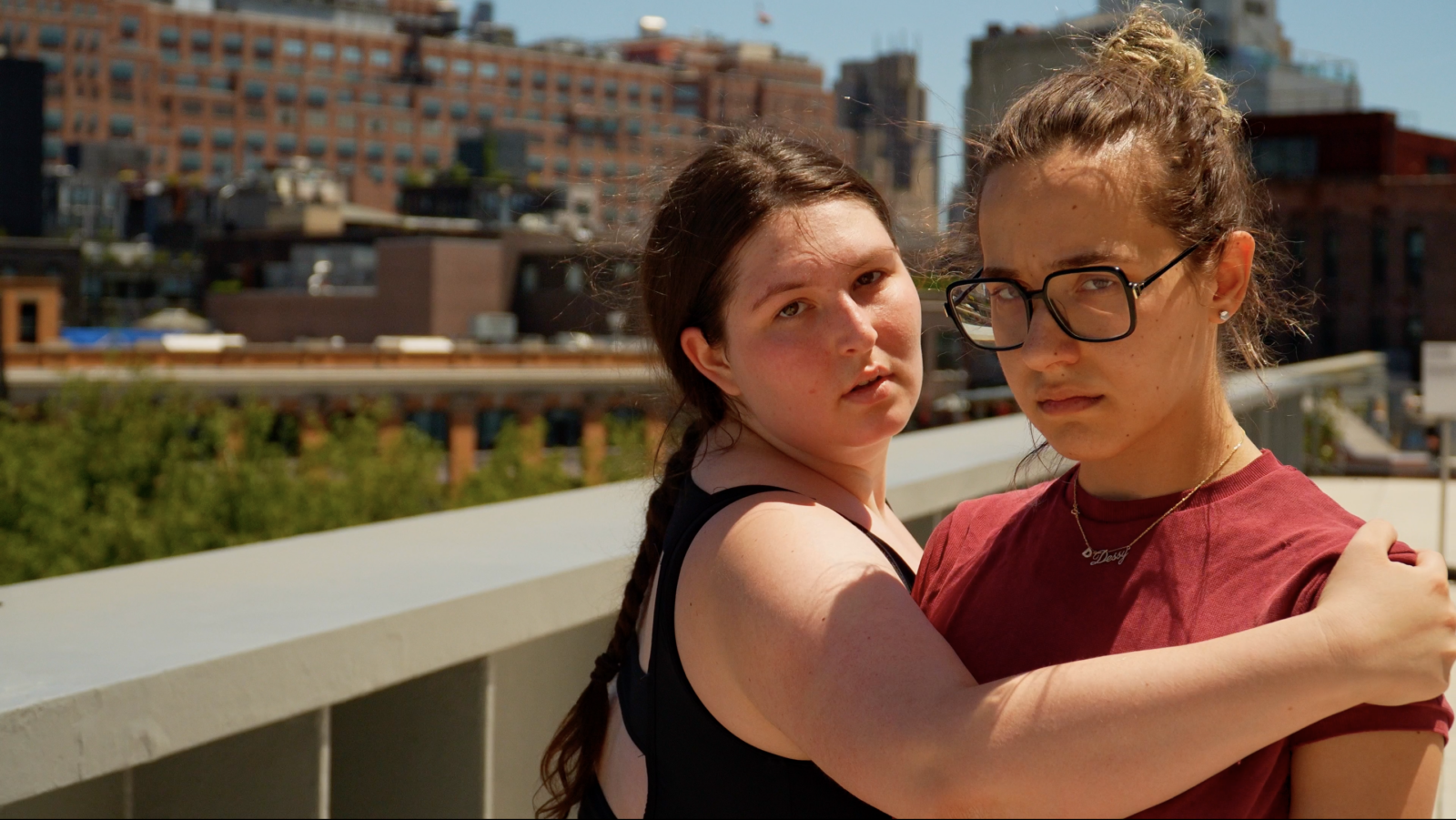
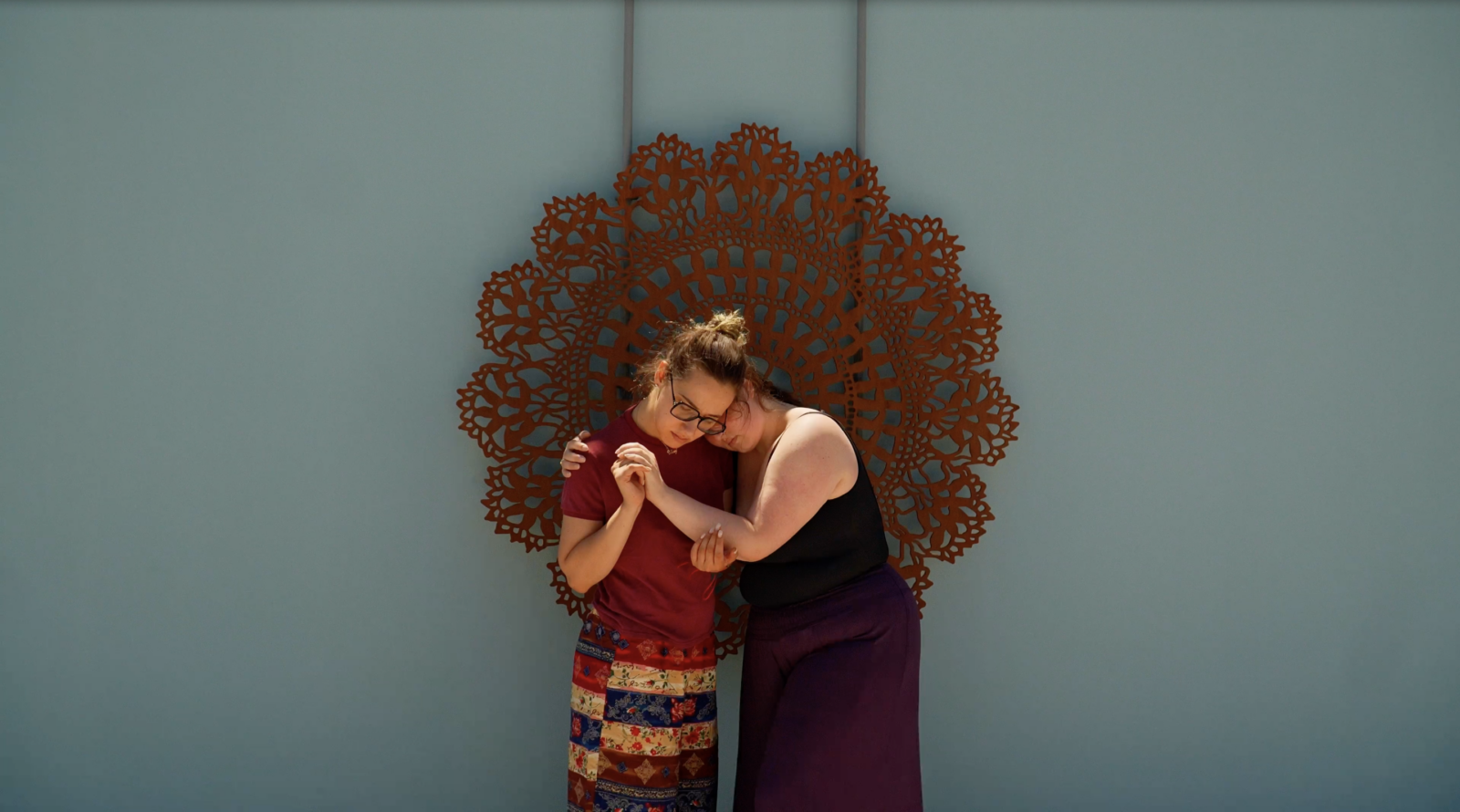
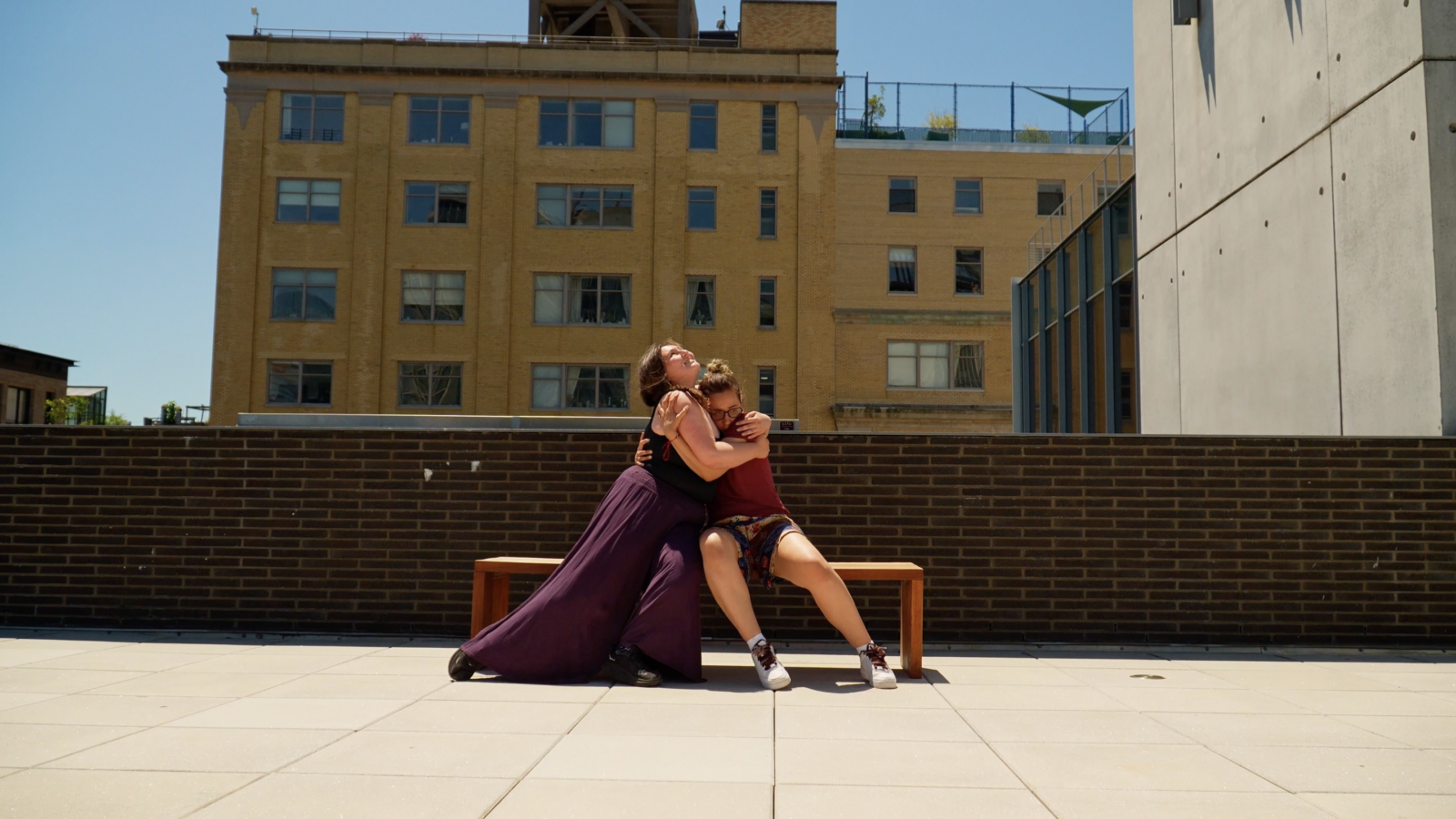
Gently Attuned is a 3.5-minute screendance duet that softly emanates, exchanges, and releases energy between two dancers. Balletic choreographies of transfer and reciprocal influence embody the emotionally potent language of care. The dancers offer kindness and echo one another through touch and intention, to make visible the powerful impact of subtle care for others.
We become better people and know ourselves more deeply through seemingly minuscule moments of compassion. The tender glance or touch of another provides comfort and aids healing. So too does embodying positive intentions and appreciation for those we love and the world at large, as we all mutually uplift and honor each other.’Gently Attuned’ reminds the viewer that their own loving kindness is meaningful and important to others.
-
Inauguration of Chief Hanageh Statue
Chief Hanageh (Highknocker) was the last Ho-Chunk Chief to rule Daycholah, the area now known as Green Lake County, Wisconsin. He was born on the east shore of Green Lake in 1820 and died in 1911 at age 91.
Green Lake local George King (1941–2025) donated a statue of Chief Highknocker to honor the Chief’s memory and influence. At the statue’s inaugural speech and ribbon-cutting ceremony, a tribute to George King was performed in the form of a dance set to a recorded interview with him. In the recording, George shares his favorite memories in the waters of Green Lake, narrating stories with family and friends and reflecting on the joy that swimming and fishing brought him throughout his life.
Daycholah is the deepest inland lake in Wisconsin and home to a sacred Water Spirit that every Ho-Chunk person has historically been called to in pilgrimage. Chief Hanageh’s statue, at long last, returns his watchful gaze to Daycholah’s shores. Alongside George King’s local water histories shared here, this tribute unites over 200 years of Green Lake history in a multimedia artistic memorial.
Moving forward, George King and Chief Highknocker remind us to honor and protect the Indigenous history, present, and future of our home — with a love for Green Lake’s sacred waters. This project is the start of a continuous series collecting local water stories.
-
-
-
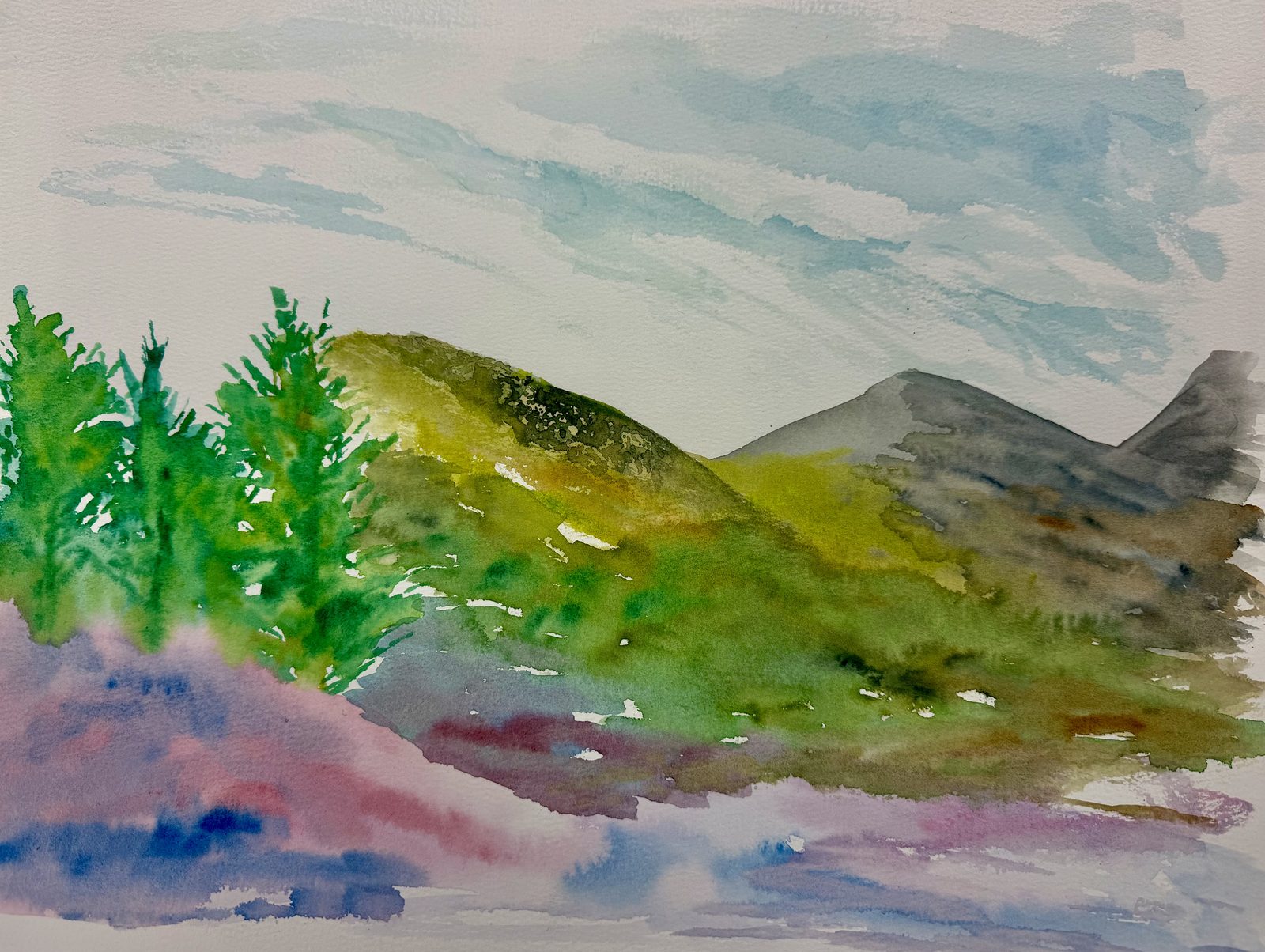
NYC Parks and Piers

NYC Parks and Piers: Central Park Skyline, watercolor on paper, 6″ x 9″, 2025 -
NYC Parks and Piers

NYC Parks and Piers: View of Downtown Over the Hudson, watercolor on paper, 6″ x 9″, 2025 -
NYC Parks and Piers

NYC Parks and Piers: Night Impressions, watercolor on paper, 6″ x 8″, 2025 -
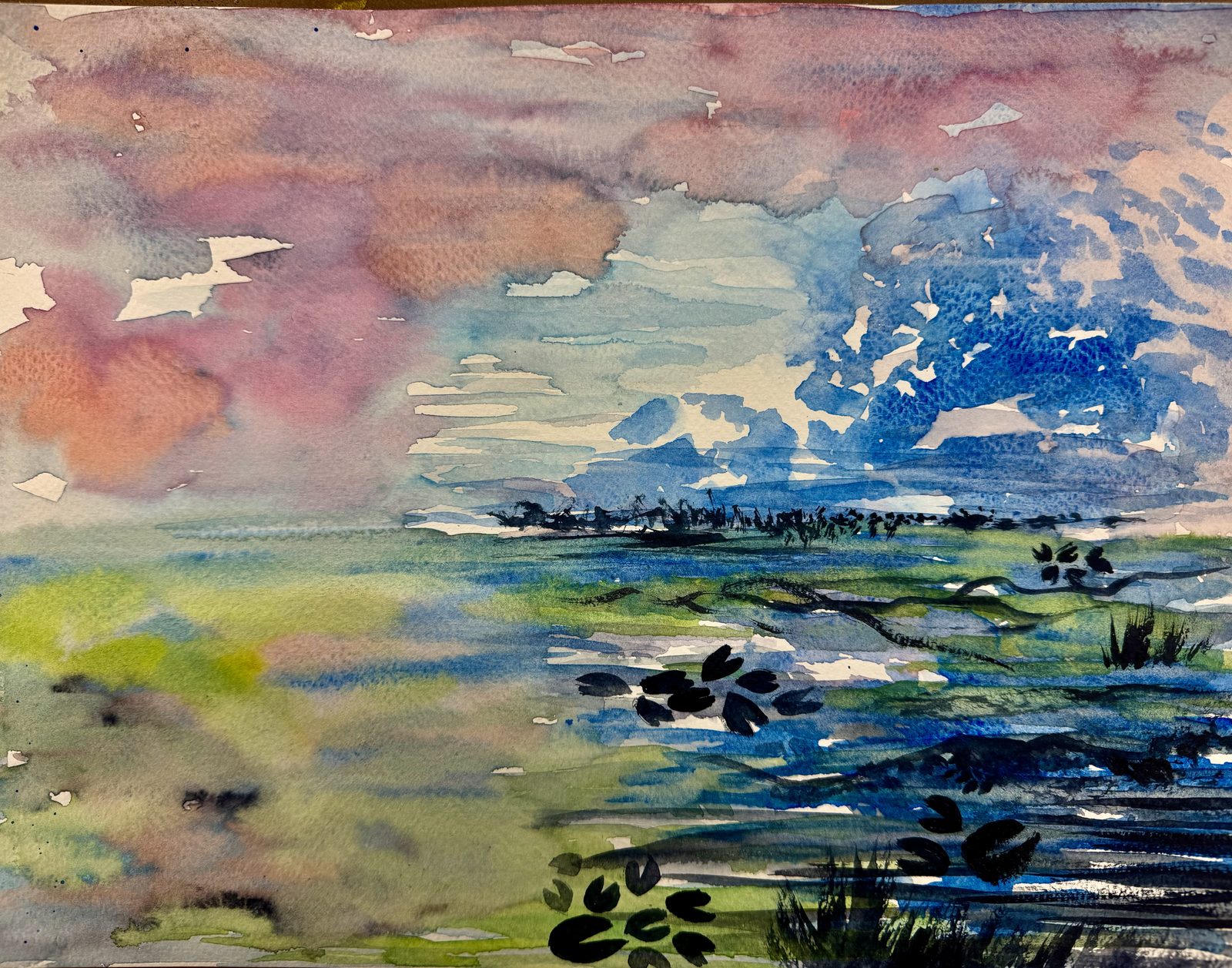
Potomac Riverbanks

Potomac Riverbanks, watercolor on paper, 8″ x 12″, 2025 -
Threads of Flight Discerned Wanderer

Threads of Flight Discerned Wanderer, watercolor on paper, 5″ x 7,” 2025 -
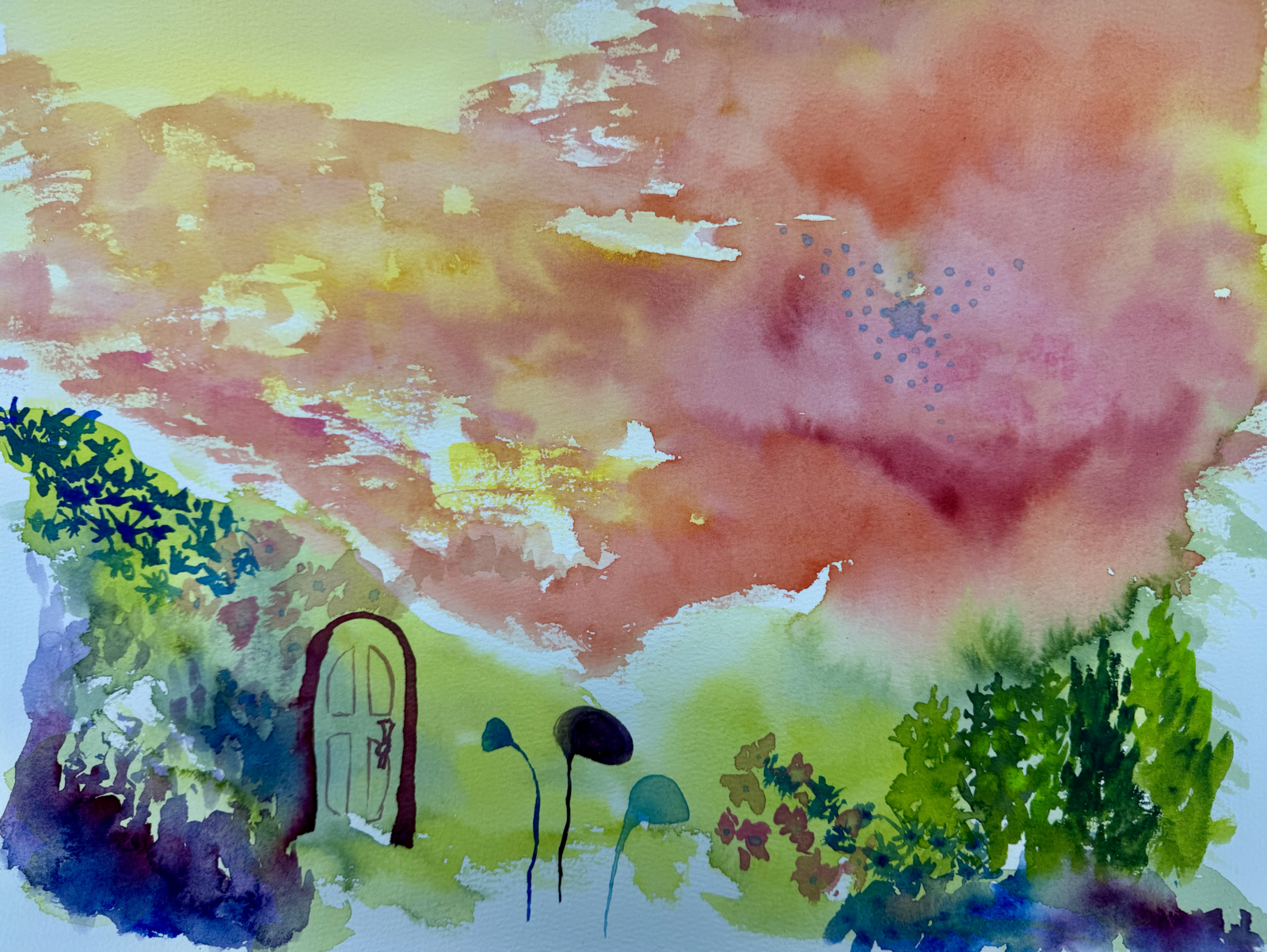
Creative Resonance of the Soul in Physical Space II

Creative Resonance of the Soul in Physical Space II, watercolor on paper, 8″ x 12″, 2025 -
Into the Eye of Day

Into the Eye of Day, watercolor on paper, 8″ x 12″, 2025 -
Swept into the Cosmos

Swept into the Cosmos, watercolor on paper, 8″ x 12″, 2025 -
First Light

First Light, watercolor on paper, 8″ x 12″, 2025 -
Magic Aurora

Magic Aurora, watercolor on paper, 8″ x 12″, 2025 -
-
Atmospheric Root

Atmospheric Root, watercolor on paper, 5″ x 8″, 2025 -
Veins of Flames

Veins of Flames, acrylic on paper, 5″ x 8″, 2025 -
Catalyst Flow

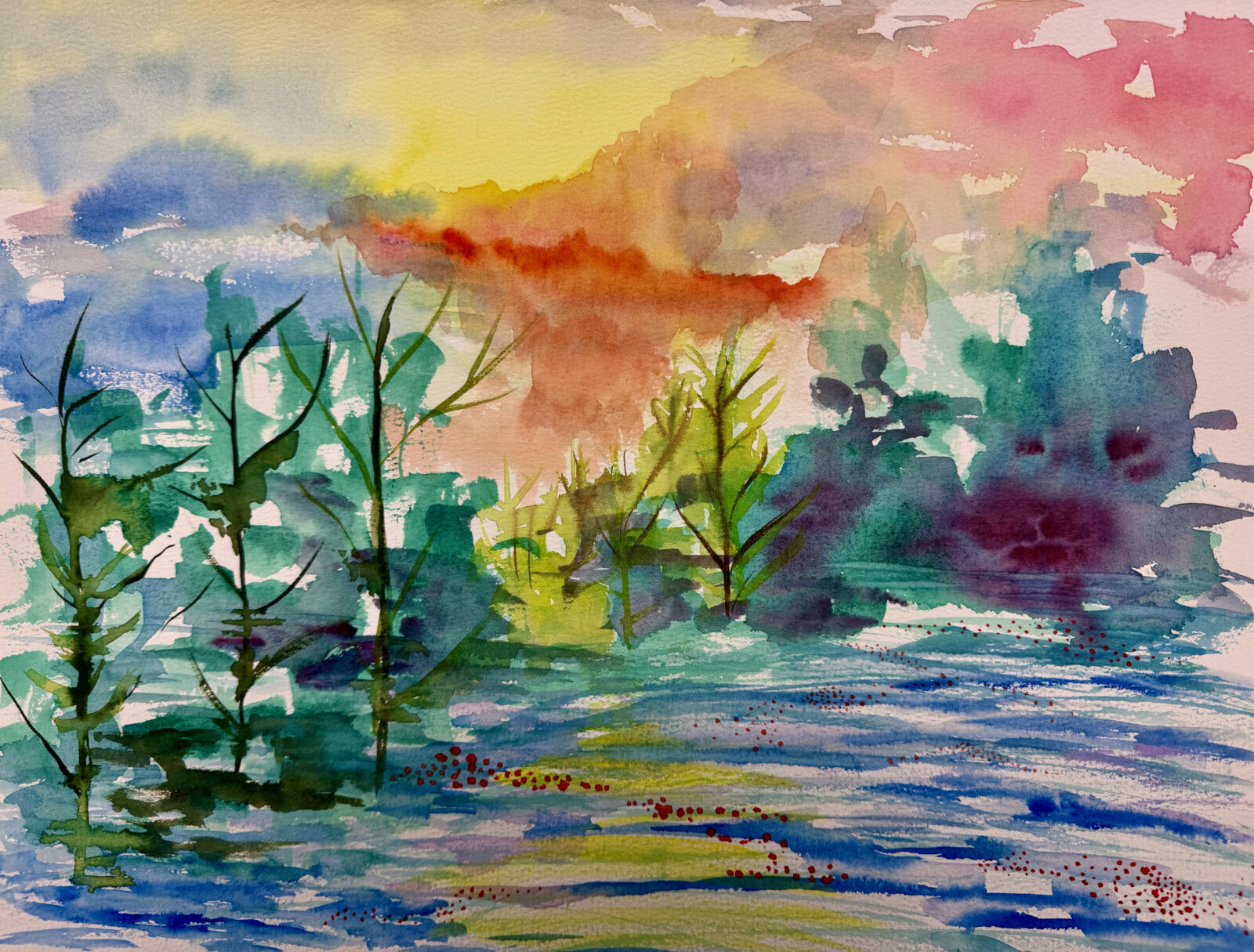
Catalyst Flow, watercolor on paper, 8″ x 12″, 2025 -
Riverbend Serenity

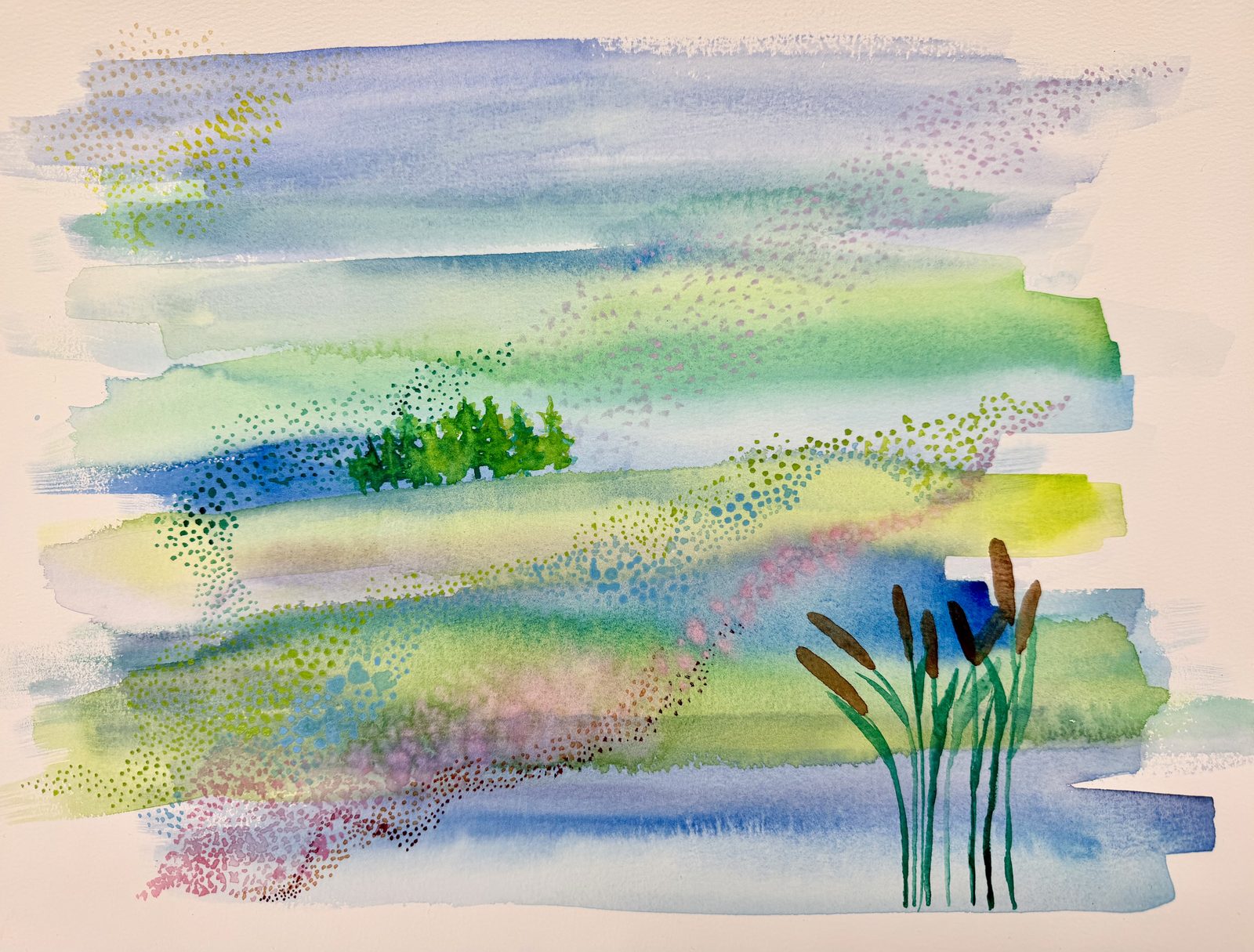
Riverbend Serenity (landscape sketch 2/4), watercolor on paper, 5″ x 8″, 2025 -
Lake Michigan

Lake Michigan (landscape sketch 3/4), watercolor on paper, 5″ x 8″, 2025 -
-
Spoonfed – Written Statement
SPOONFED is a screendance responding to the discovery that the average human brain contains a plastic spoon’s worth of microplastics. Through eco-absurdism and psychedelia, six dancers express the polluted body through vogue and contemporary dance, to mirror society’s paradoxical responses of ignorance, dissociation, helplessness, dismay, and resistance. The polluted body is a filmic archive that evidences today’s pollution, power, and complicity, at the precipice between ecological repair and unsalvageable plasticity.
SPOONFED takes on the metacognition of material substances, with our brains as the host, asking why we live in cognitive dissonance with pollutants, rather than embodied harmony with nature. These creative epistemologies are paradoxically both futile, and necessary, to drive climate healing. SPOONFED portrays the dual modern meanings of ‘neuroplasticity’ by satirically juxtaposing the uncomfortable tensions between corporate-political greed and artistic, scientific, and cultural complacency and resistance. This film is a critical investigation on why plastic pollution has escalated to this severity, with no end in sight.
Symbolism of Spoons
‘Single-use’ plastic spoons as bodily adornment makes our internal contamination visible as the physical consequences of industrial toxicity and systemic complicity. These materials critique systems of pollution, while revealing the slippage between consumption and embodiment. What is more absurd than plastic spoons on faces is the fact that no substantial research or healing is implemented to address the rapid accumulation of plastic in our brains and bodies. Life goes on with indifference, scientists and politicians lag decades behind the necessary research and policy to combat plastic distribution. On the surface, SPOONFED represents the “consumption” of plastics through food and consumerism. Taking on an even deeper meaning, this film addresses the “consumption” of drugs, art, and online content on health and justice as modes coping with the realities of pollution. Further, the present consequences of being ‘fed’ controlled narratives, and ‘fed up’ with the damage of monopolized pollutant systems, are made visible through choreographies of spoon-feeding.
The spoon is also a powerful symbol evoked by those with chronic illnesses to represent the different energetic limitations one faces due to pain and fatigue caused by disease. Activist resistance to medical neglect at the hands of plastic pollution stands within a long history of struggle for accessibility and care at large in the realm of health justice. The spoon’s potency as a metaphor is only added to by the sicknesses that micro-plastics create in bodies. It is ironic that science communication’s quippy spoon metaphor on plastic predominates discourse when impactful research on how to remove micro-plastics is still far off, having very real bio- and eco-logical consequences.
With the rapid increase of plastic accumulation, found more in our brains than any other organs, Terrence Mckenna’s point that “we do not have centuries of gently unfolding time” to halt mankind’s self- and planetary-destruction rings especially true.
Symbolism of the Torch
The figure in the white dress carries a torch and moves between the archetypal dualities of day and night, and of land and water. This figure carries the fire of resistance, purification, pre-plastic ritual memory, and future’s potential healing. The torch is symbol of hope and transformation. Her eternal flame makes visible the revolutionary surge of non-extractive embodiment and harmonious eco-relations pulsing within each of us.
The primordial symbol of a torch is placed on equal grounds with the contemporary plastic spoon by satirizing the artist-revolutionary. Artists have, as Mckenna says, largely failed to perform their societal role of “upholding a moral vision.” The torch represents the sheer futility of honest efforts to fight against the material consequences of greed and control. It represents the dissonance around these shortcomings and inabilities of not only artists, but also of scientists, politicians, and activists to slow the momentum of environmental destruction. For example, eco-corporatism and government infiltrations of social movements are power systems that seek to define the very meaning and value of humanitarian work, while simultaneously perpetuating and profiting from the oppression at hand. These monoliths render resistance ineffective, while minimizing and normalizing the root issues in the publics in a brainwashing ‘feedback’ loop of ‘spoonfed’ pollutants and narratives.
Political theorist Hannah Arendt understood freedom and action as one, and individual freedoms as modernly being governmental. SPOONFED prods at this ‘elephant in the room:’ the exploitation of activist bodies by governing bodies, with a 50% increase in brain plastics from 2016-2024, as an alarming example.
Audio: “Message to Artists“
Terence McKenna’s 1990 “Message to Artists” asserts the value of creativity as planetary intervention. His words ring timelessly true; Mckenna positions artists as required respondents to planetary crises. He says that artists must intervene where science, industry, and governance have failed to respond or research. Mckenna’s vision is for art to innovate at the cruxes between the sectors that cause and perpetuate climate pollution, through real-izing “the good, true, and beautiful.” He urges the importance of meeting the world of nature through psychedelic creativity to forge new healing pathways.
Thirty five years after he gave this speech, whole new worlds of meaning emerge looking back on his words from a time of unprecedented ‘neuroplasticity.’ SPOONFED’s glitchy crossroads place discourse directly on the absurd essentialist ultimatum between criminalized healing drugs and normalized toxic pollutants. The disregard and controversies surrounding these are productively revealing as societal mirrors on taboo bodily substances. The satirical nature of SPOONFED provokes an unsettling discomfort, scrying into contemporary lack of agency, and even awareness, regarding issues in our own bodies. Layers of deeply genuine sentiments, with the juxtaposition of cliches, exaggerations, and paradoxes, portray multi-sensory post-post-ironic critique of the infrastructural and environmental shortcomings of our civilization.
Location: NYC’s Wall Street
The six dancers pose around Wall Street’s famous Charging Bull statue, to emphasize the connection between economic growth and plastic waste. They ironically dance right outside of the Trump tower in NYC, wearing blue, yet not interacting with the building nor making the location filmically clear — reclaiming not only Trump’s land but also his control of narrative by treating his name and building as irrelevant. SPOONFED combats this administration’s propagandistic mis- and dis-information, that have furthered global bodily violence and pollution, by re-centering the grave realities of the scale of complicity and ineffectiveness of environmental regulations in the US. SPOONFED also touches on how Americans are too often naive to how US industrial wastefulness causes disproportionate damages in health and wellness for global populations.
Method: Screendance as Political Response
SPOONFED exhibits merely a small slice of the value of art as research. In particular, this film employs screendance as a method to make unprecedented global challenges visible and politically compelling. As a screendance, this work brings the primordial poetics of the body, like the flame, to meet the modern introspective and documentary capacities of film. In SPOONFED, screendance is used to track contamination, dis-ease, and the imaginative capacity of flesh and spirit to respond in eco-logical harmony. This film’s discursive merit comes from conveying a poignant, critical arc of emotional expressions that reckon with the complexities of living in environmental destruction, toward the goal of underscoring how cultural, intellectual, and policy responses to counteract bodily pollution are marginalized and discredited. Screendance here is a mode of critique that makes visible the embodied, lived realities of pollution’s invisible absurdities. These sorts of works can resonate and catalyze healing in individual, ecological, and institutional bodies — influencing both community practices and policy outcomes. Health is deeply tied to harmonious bodily relations with our environment; we co-create healing with one another, landscapes, and materials from plastics to psychedelics.
Elemental Embodiments: Character Symbolisms
The six dancers wear shades of blue and dance in ensemble. The color palette references that the human body is primarily composed of water, and signals alignment with aquatic ecosystems that are also heavily polluted by plastics. These bodies form a collective, fluid unit that mirrors and disrupts normative movements of “consumption” — just as their spoon adornment ruptures ignorance of the body’s plastic pollution.
While the dancers in blue are quintessentially exploring what it means to be aware of internal pollution in the present — the solo personages, in a white dress and yellow jumpsuit, represent the teetering futures between freedom from plastic, destruction at its hands, or something in between as nature adapts. This uncertainty is digitized via glitch aesthetics that mimic eco-delia: the transcendental, psychedelic-esque experience of emotionally and somatically meeting nature’s aliveness. These mythic personages convey transcendental emotions, as the states of consciousness of higher dimensions associated with psychedelics, art, and nature — healing modes becoming increasingly inaccessible thanks to plastic in our brains.
The figure in the yellow jumpsuit appears in natural spaces and performs with clear plastic utensils. She represents nature’s longstanding elemental cognizance of our pollutant crises outside of human epistemologies. She also represents how humanity must reckon with ancient ecological relations in a new light — and let nature’s coherence prophetically usher our transformation in the wake of crises. Confined to the pictorial through quick cuts, her fragmentation represents the limitations of ‘the new’ nature and humanity. Built from timeless archetypal myths that emerged from ancient eco-delic relations, alive within embodied knowledge, and altered by plastic’s ubiquity in biological systems, the clear plastic utensils sway in the breeze like plants in her hands.
Together, the watery and firey personages of SPOONFED show how dance is an elemental transmutation, that choreographically builds from mythic archetypes in the universal unconscious to address contemporary crises, as symbolized by the plastic spoon. This satirical investigation asks, will Mckenna’s “birth of a new kind of humanity” be one of embodying the transformative healing wildfire of the eternal flame? Or one of embodying plastic, that dwindles our conscious experience to cogs in our own, and the Earth’s, ecological collapse?
-
-
Revenant as Erosion // Windswept
Fourteen poem chapbook