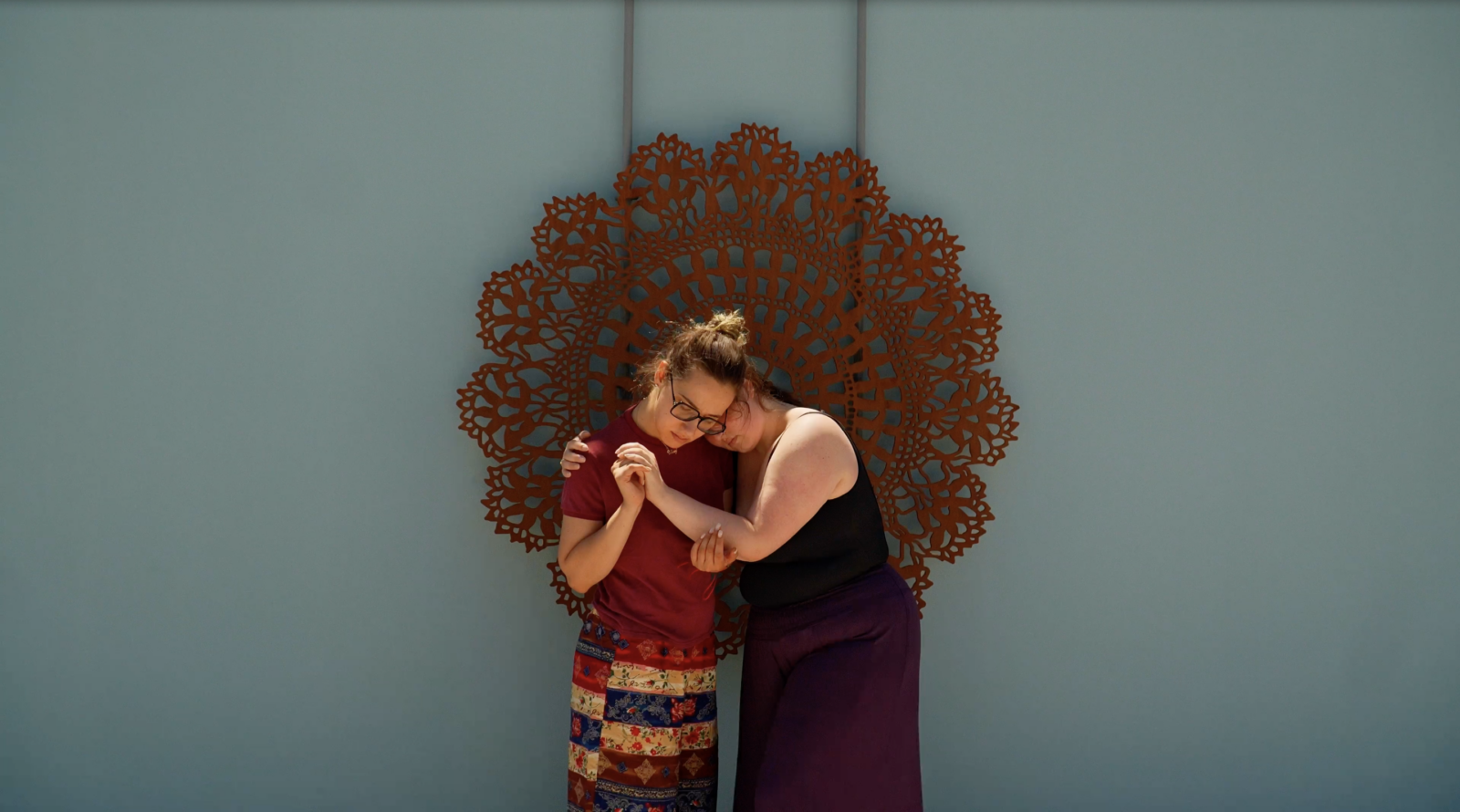
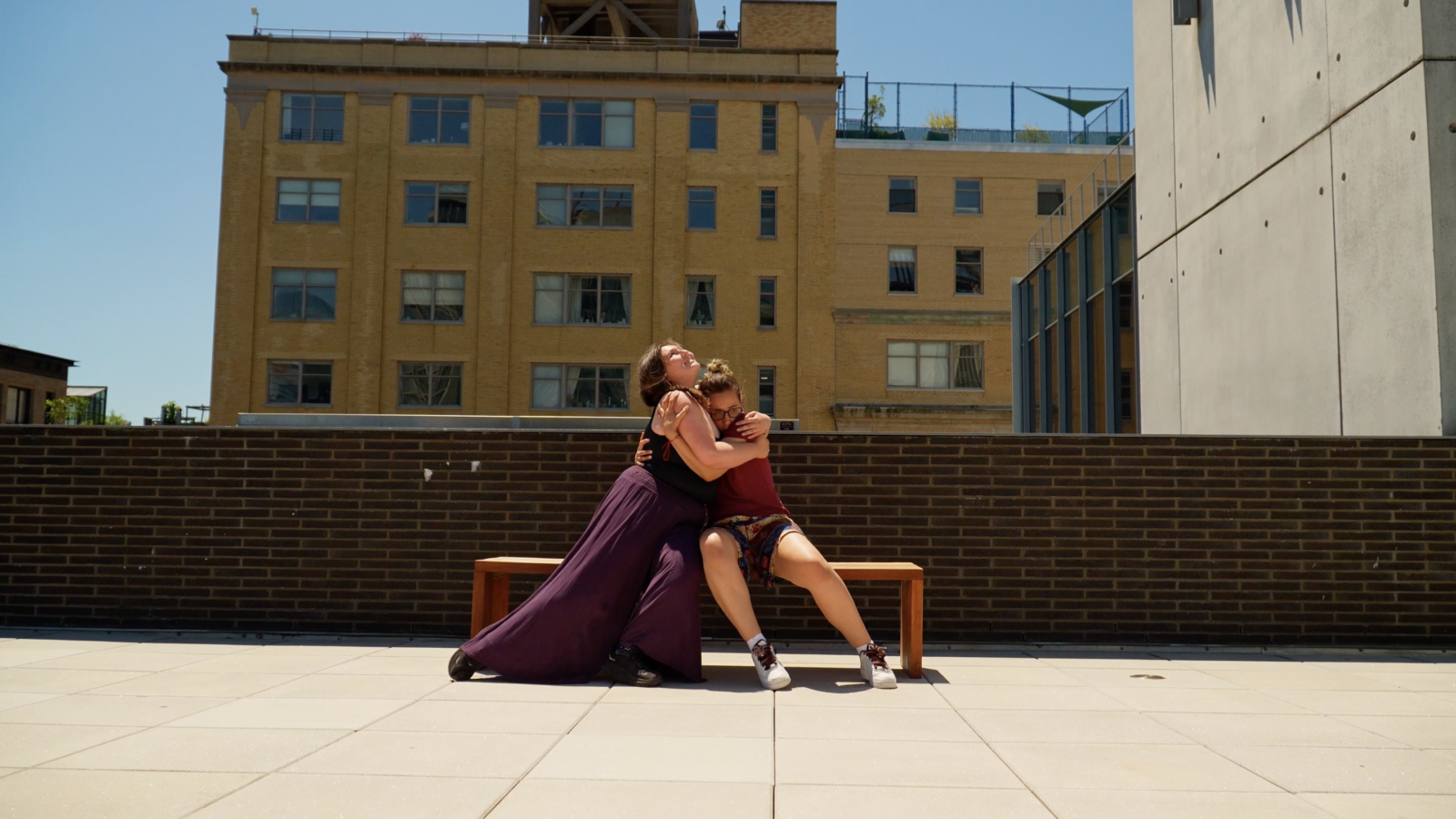
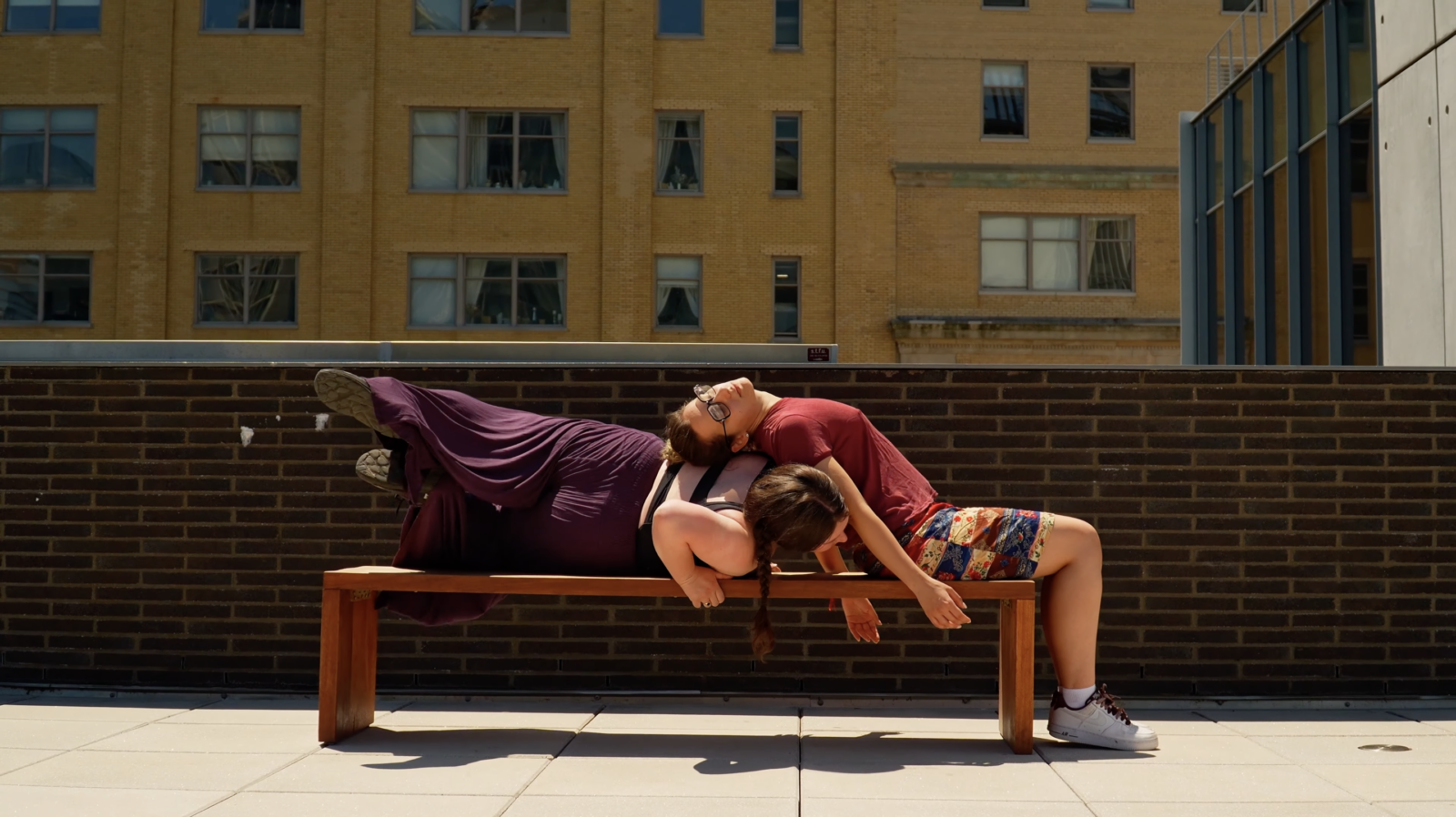
Arose – Stills
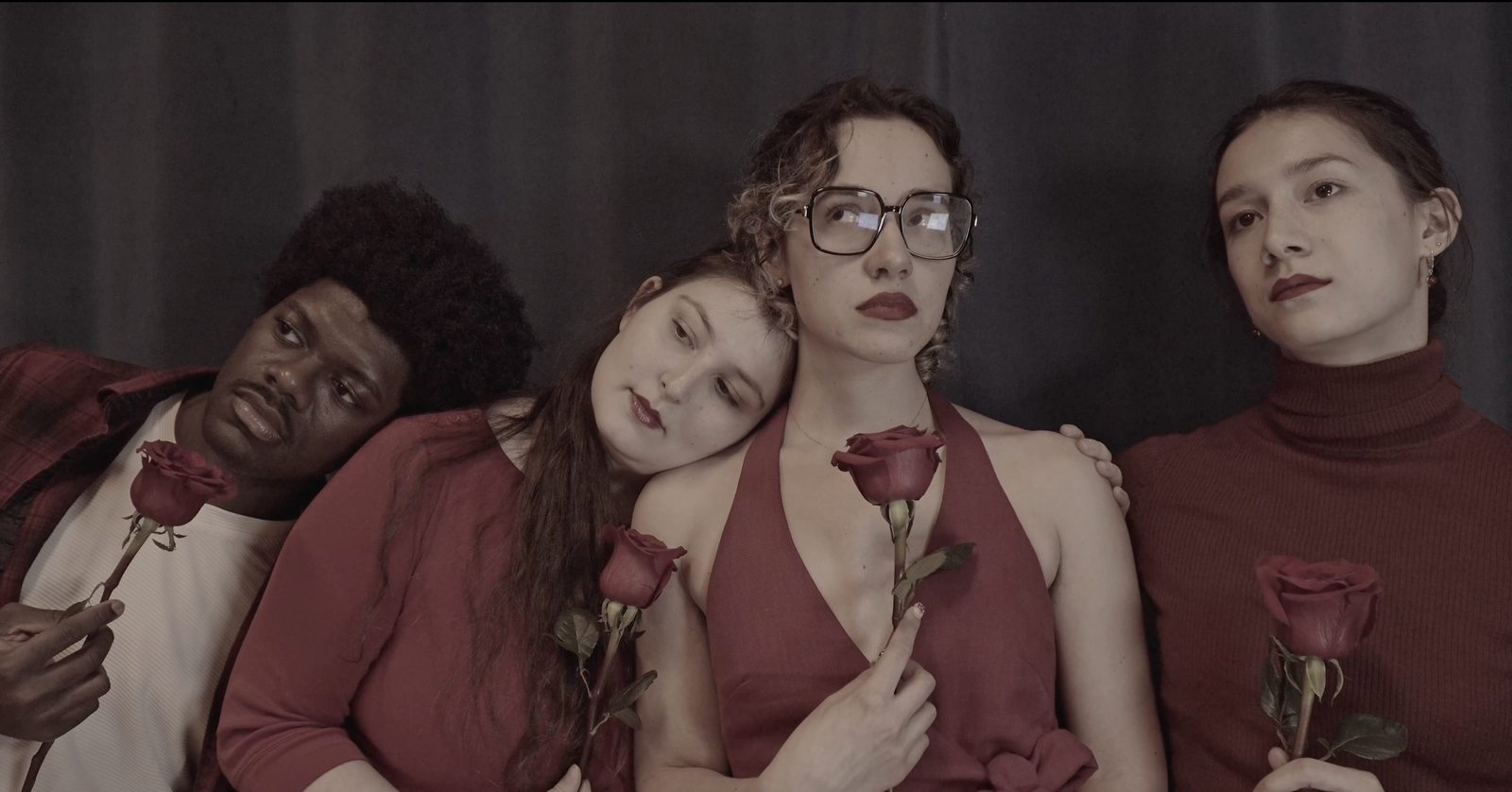
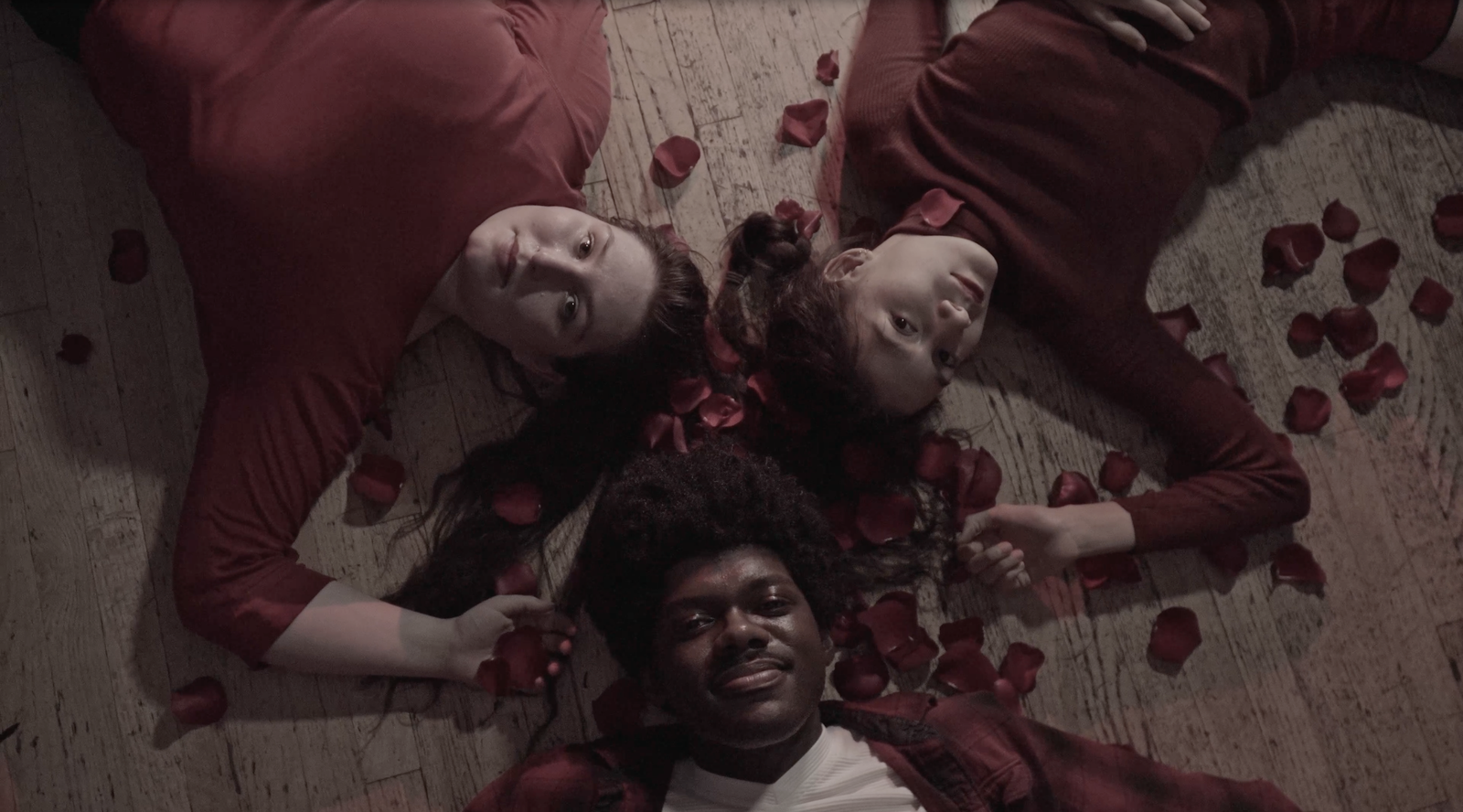
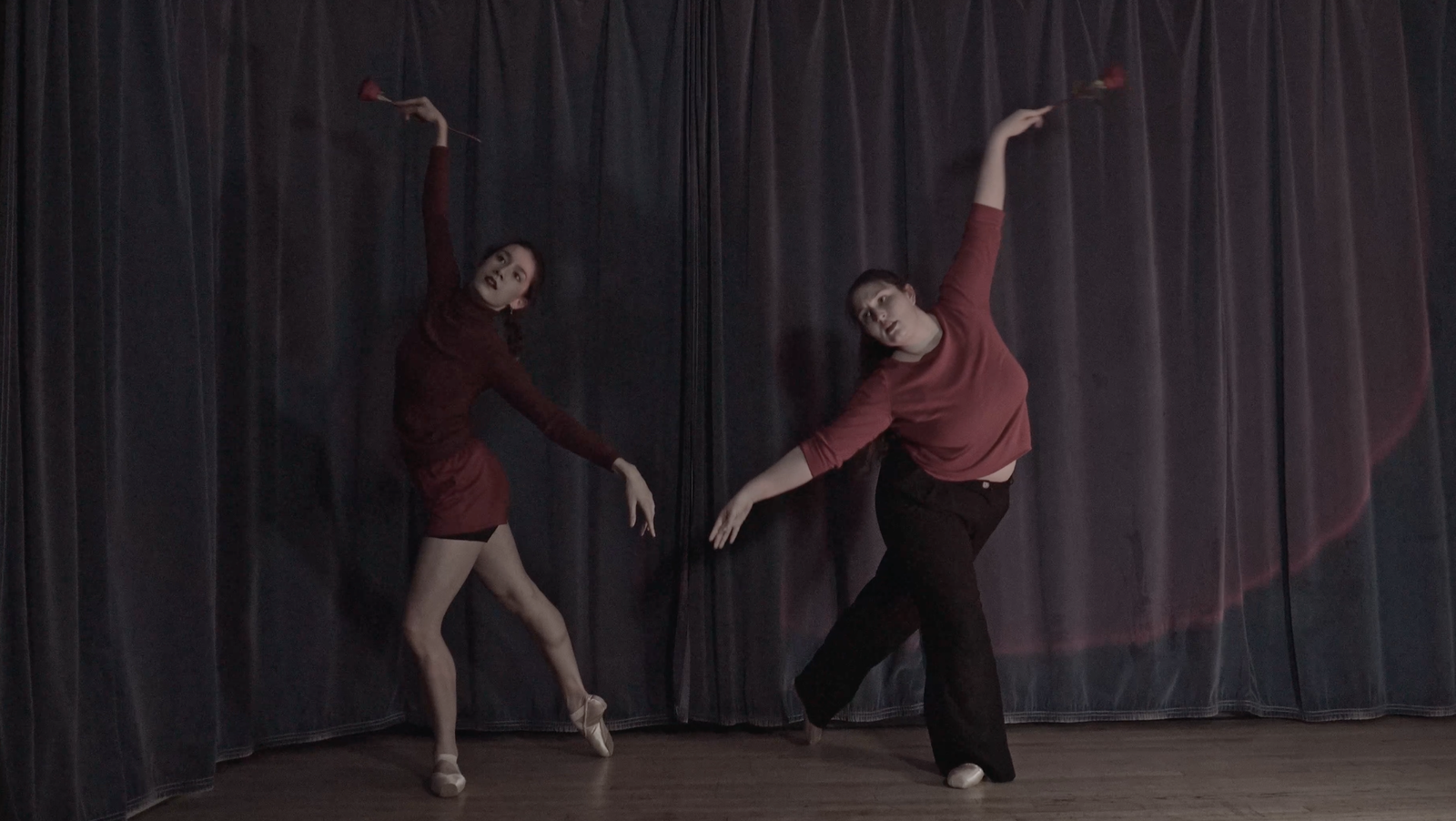
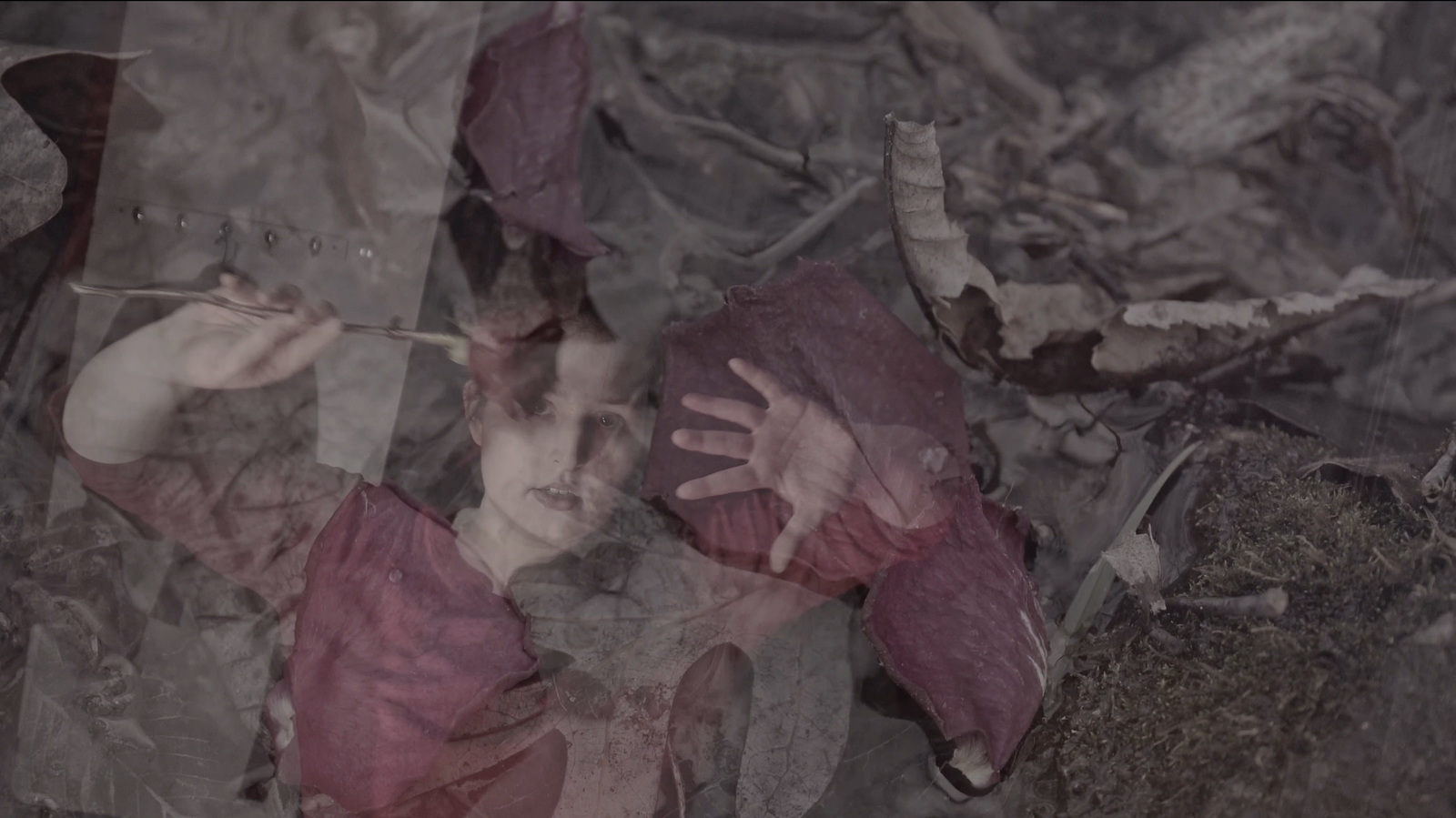
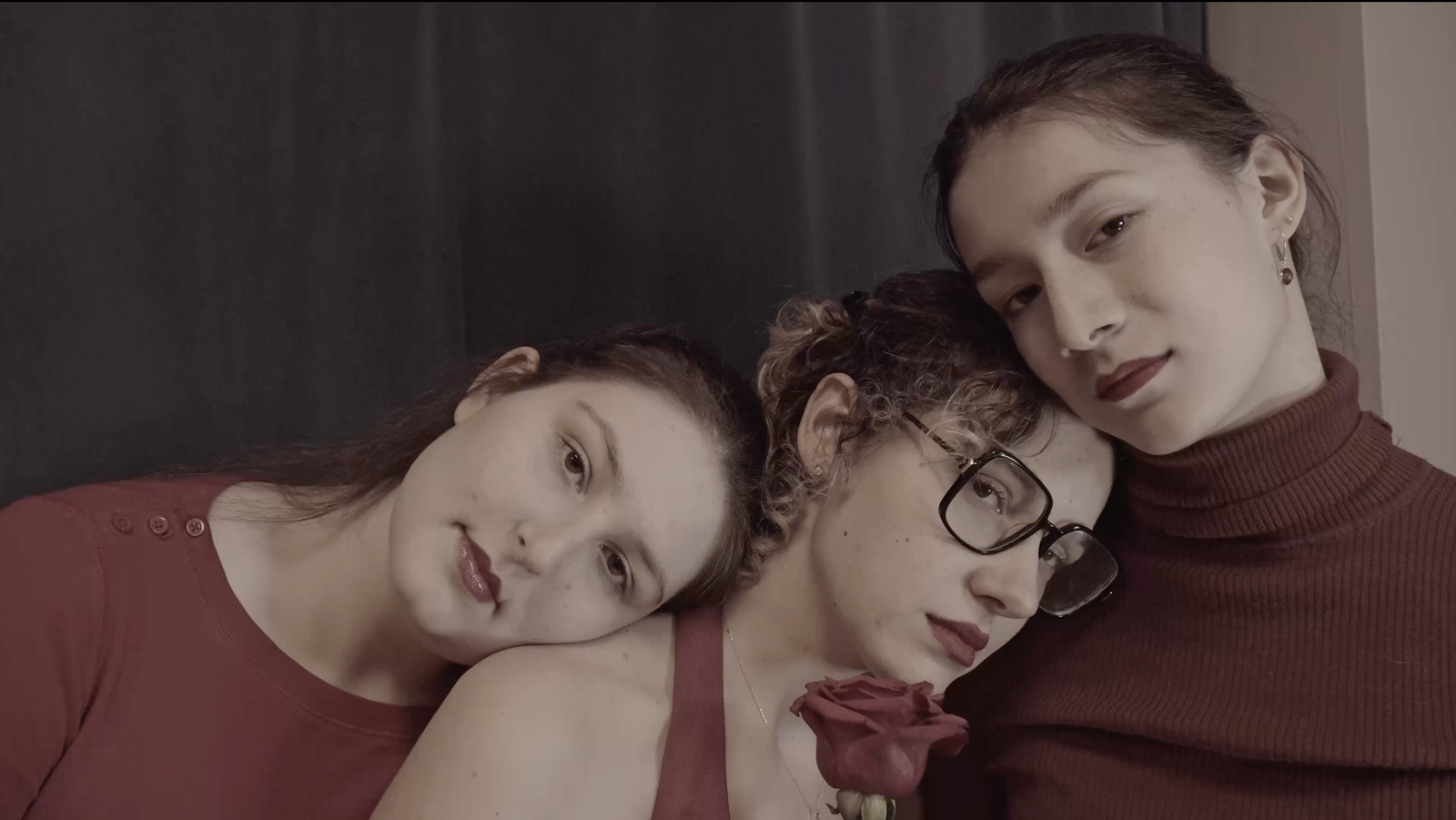
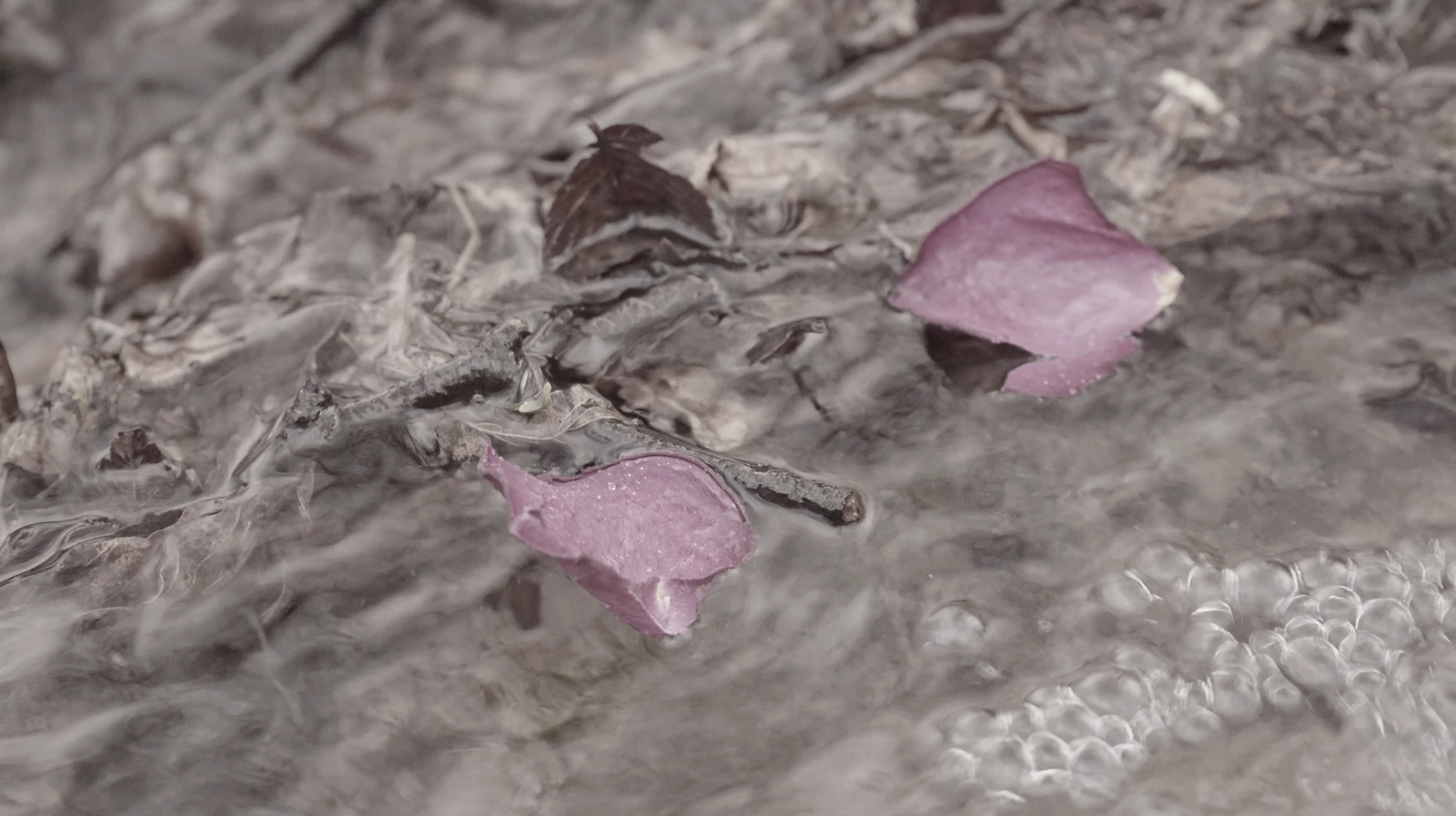
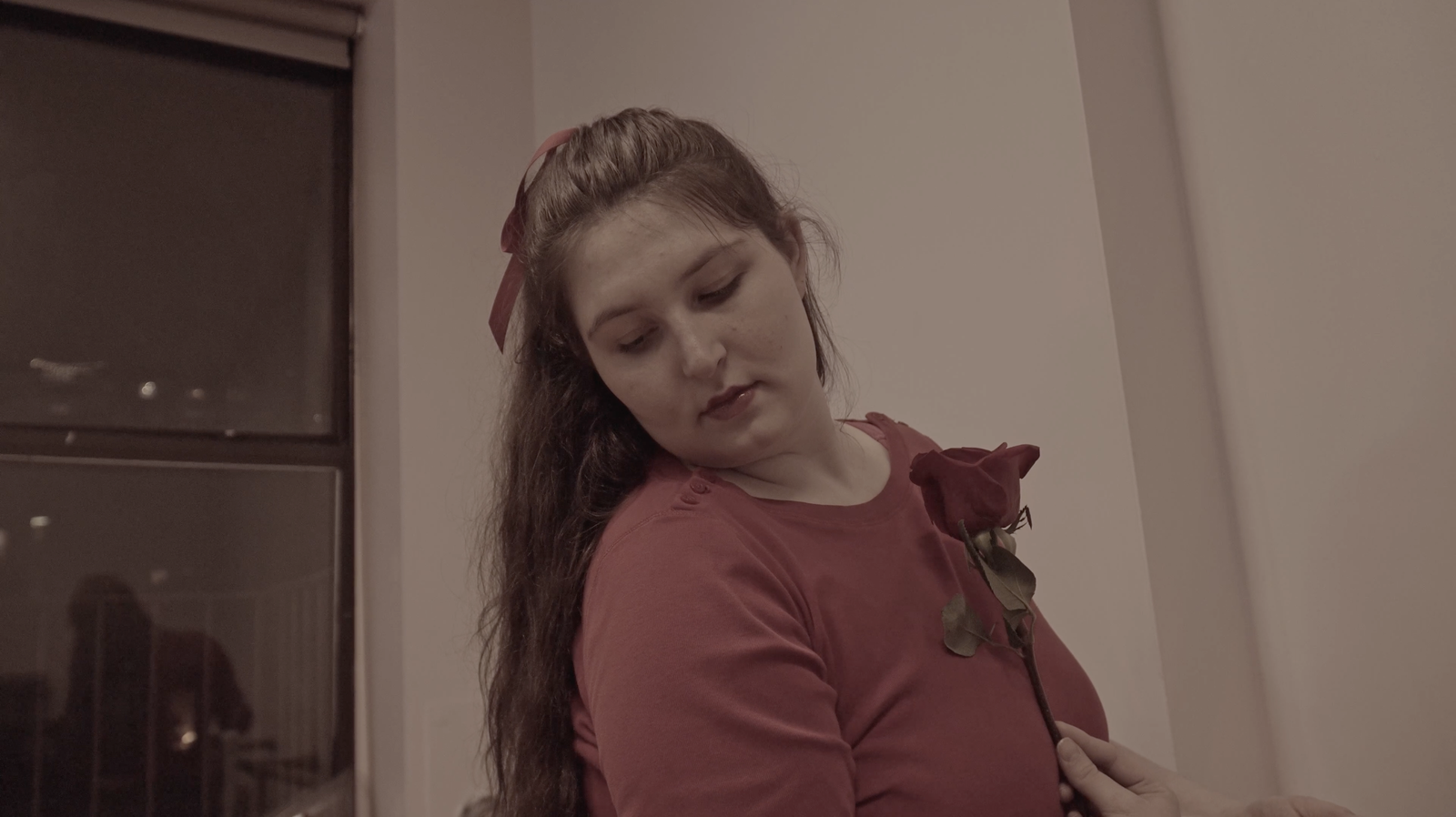
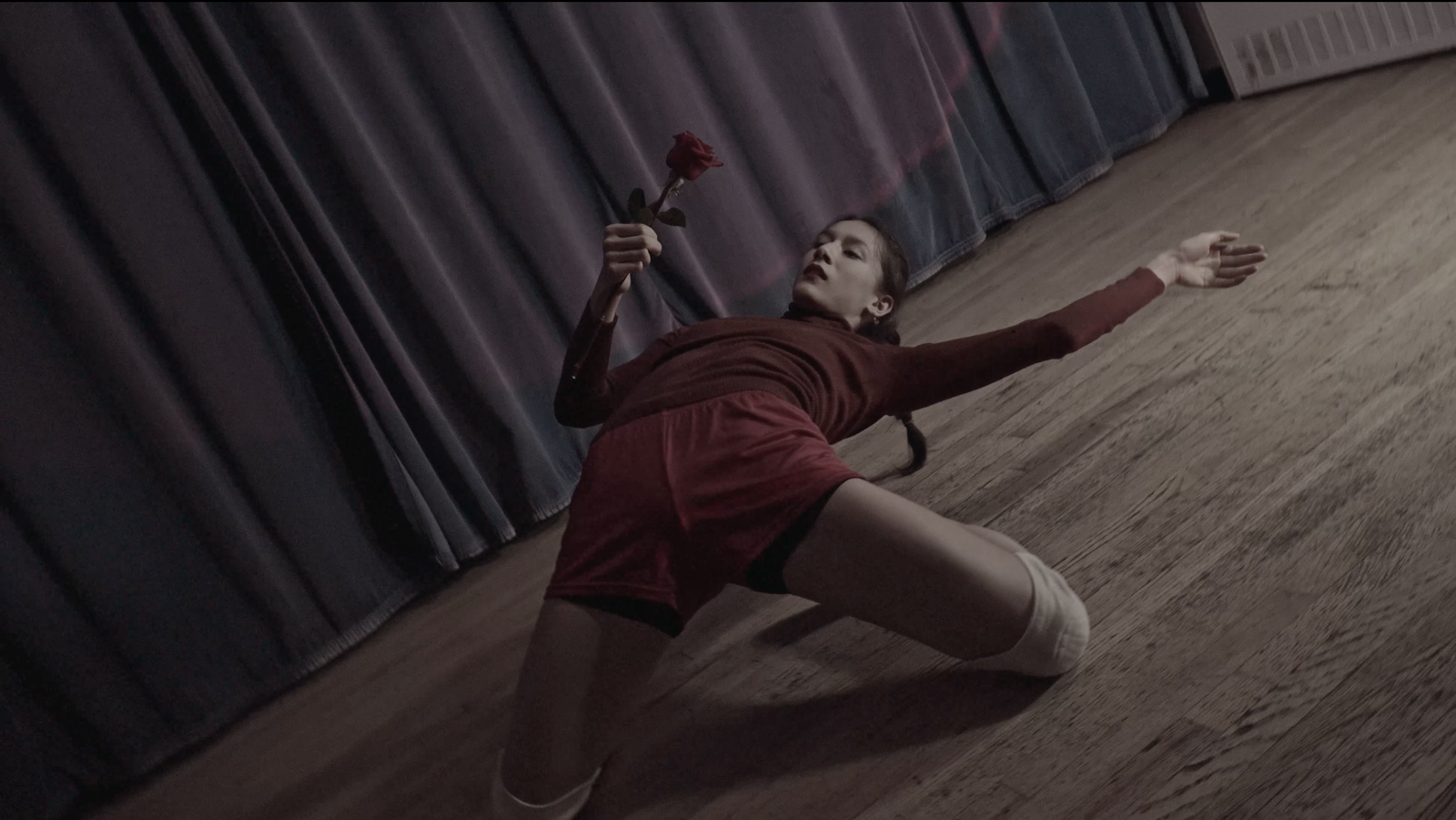
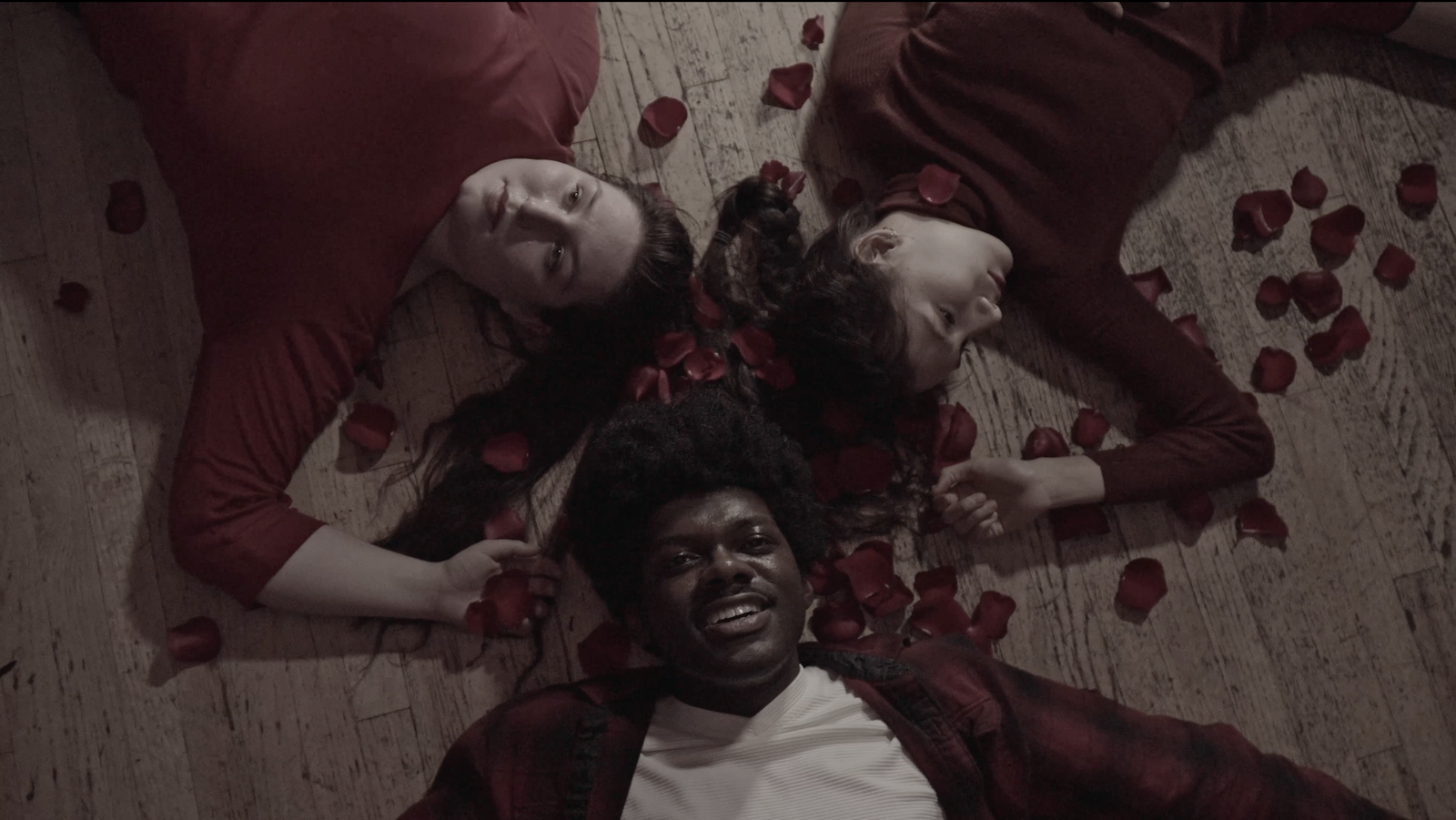
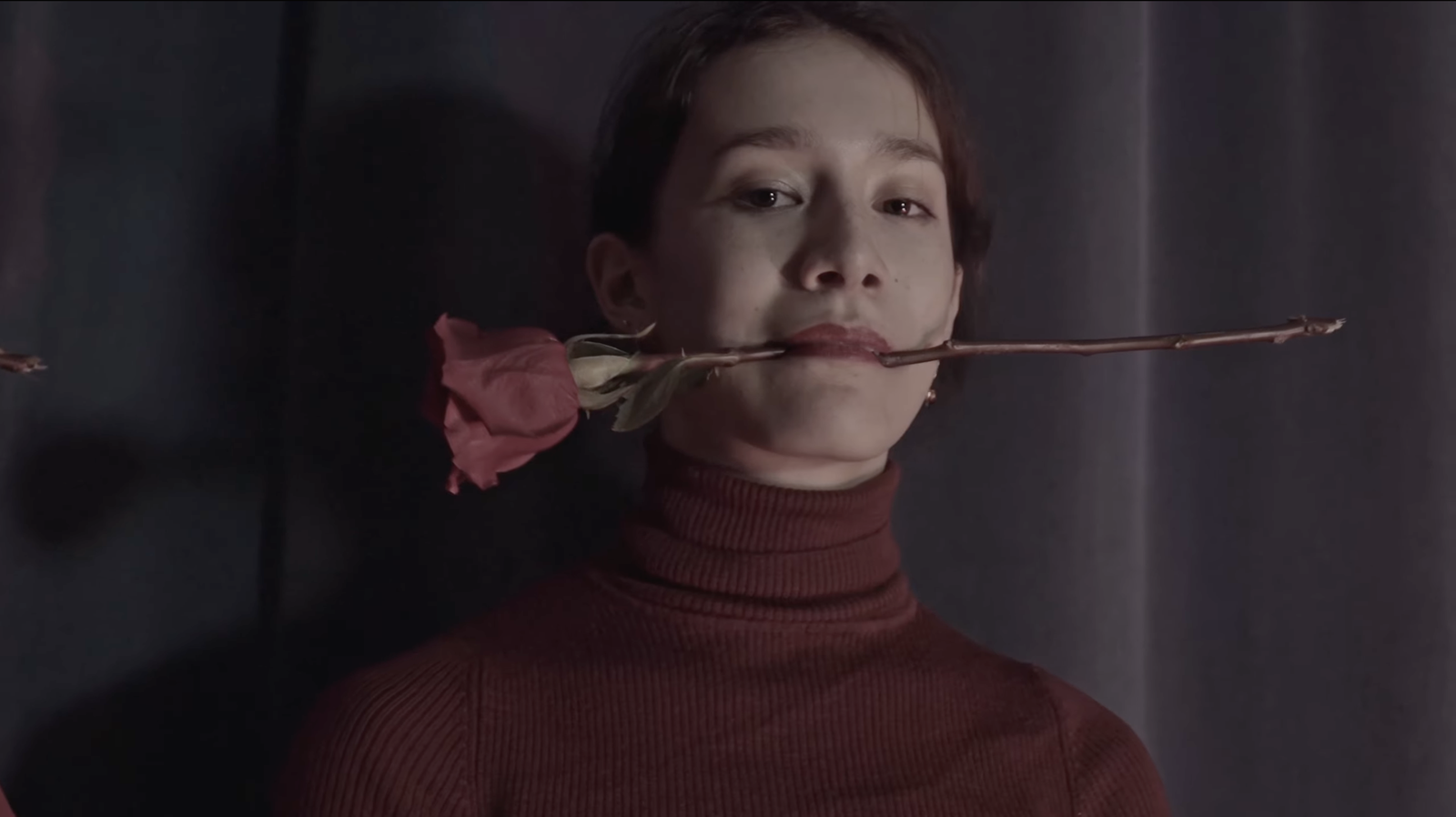
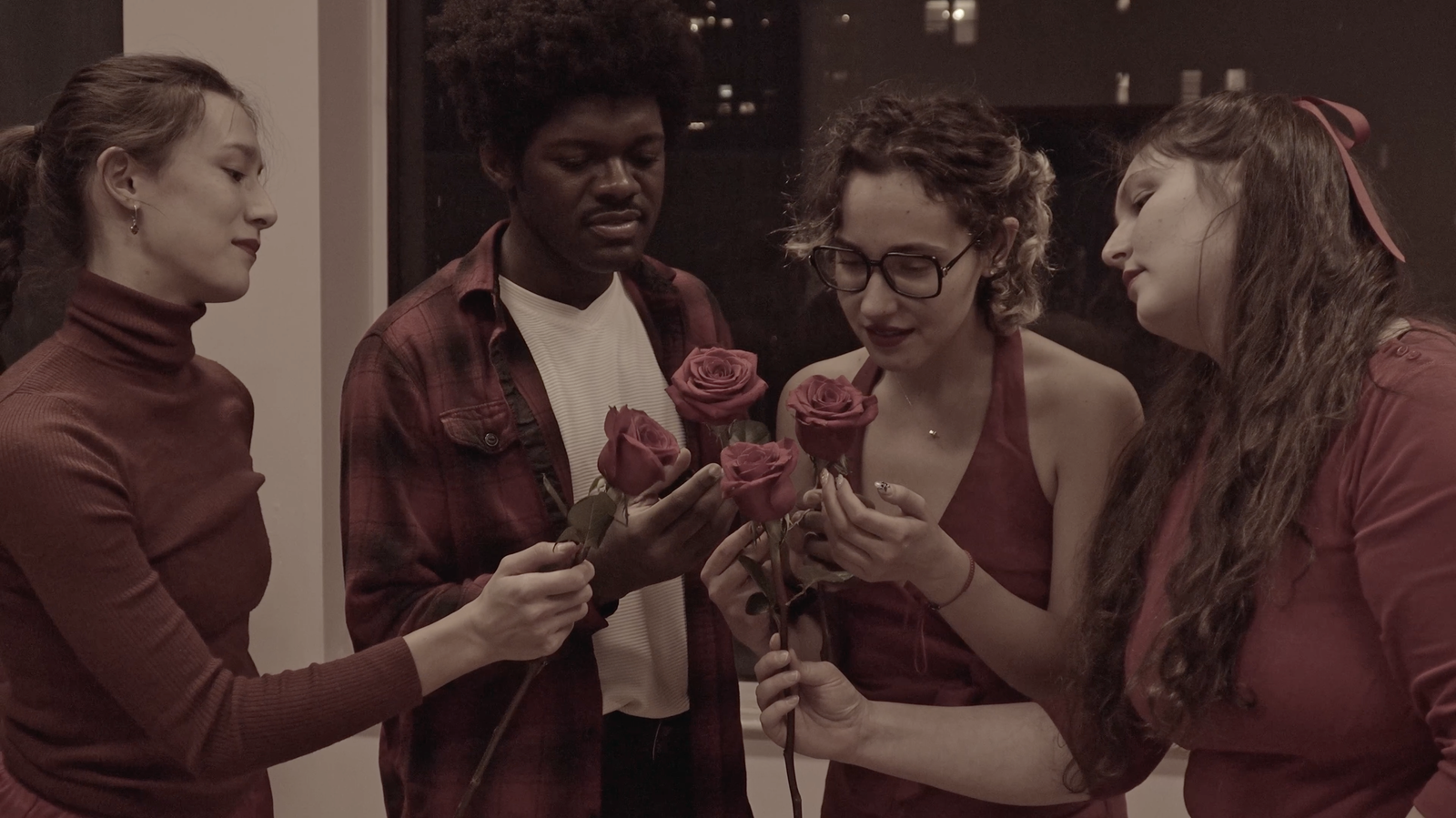
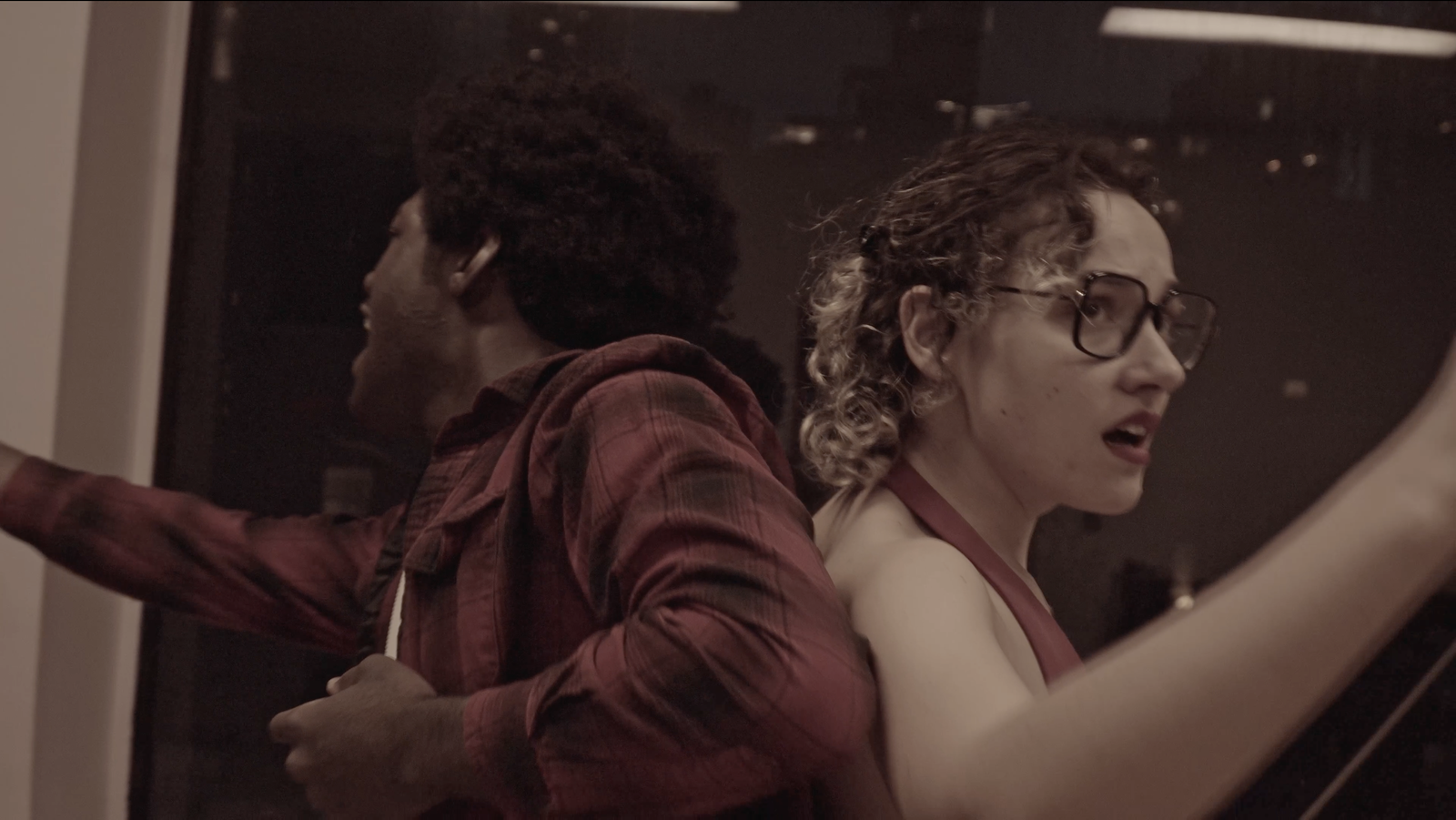
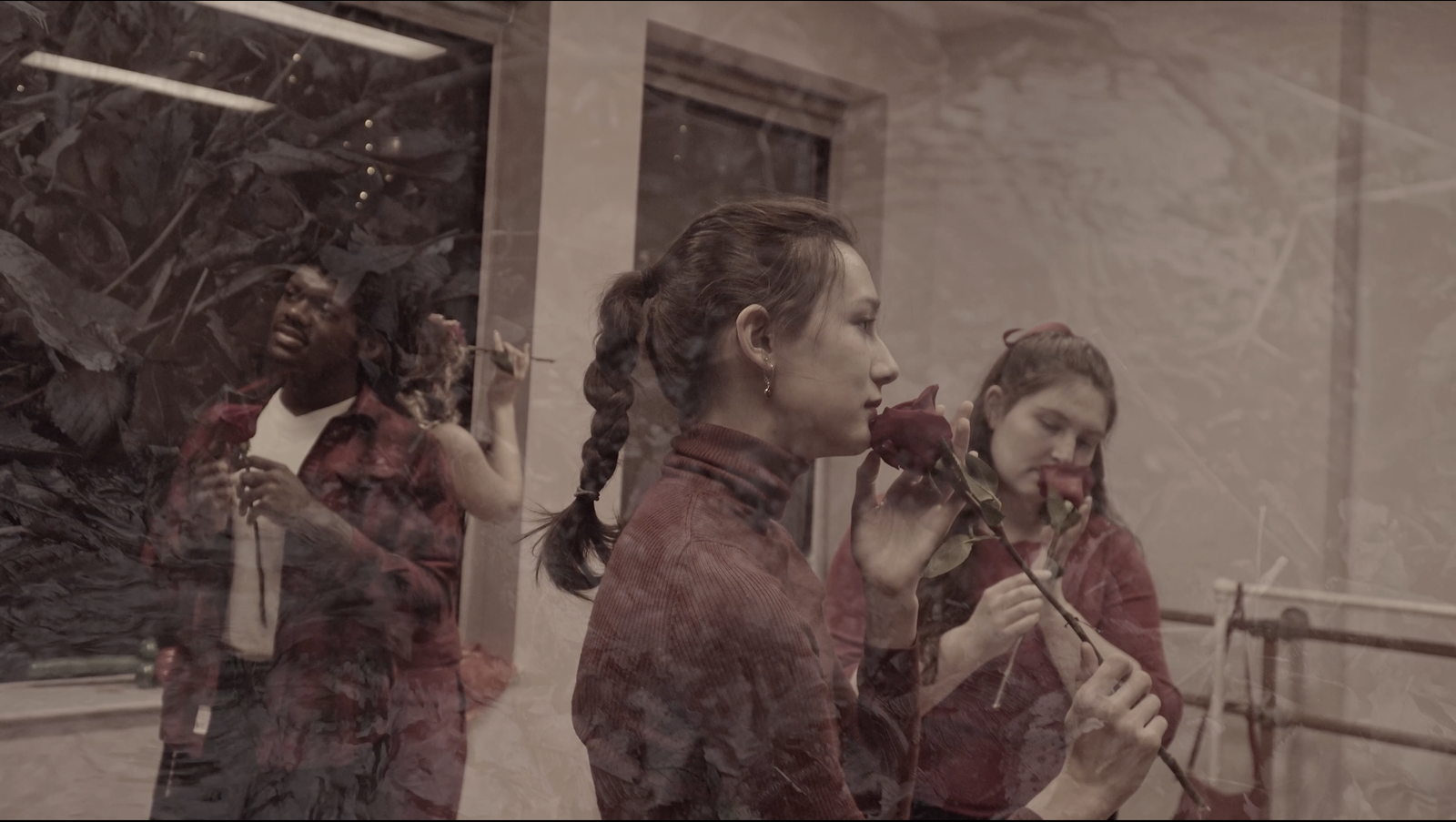
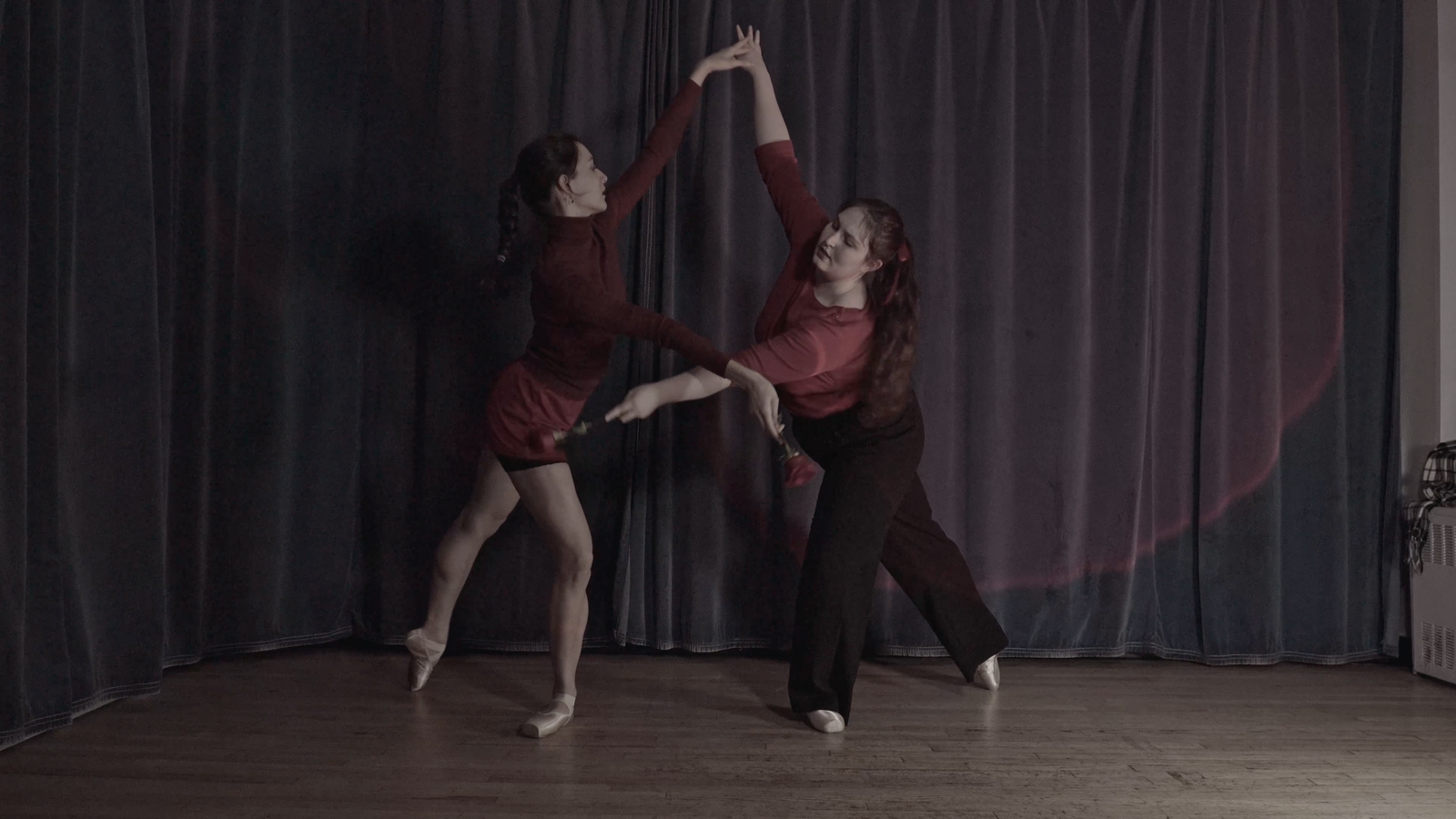
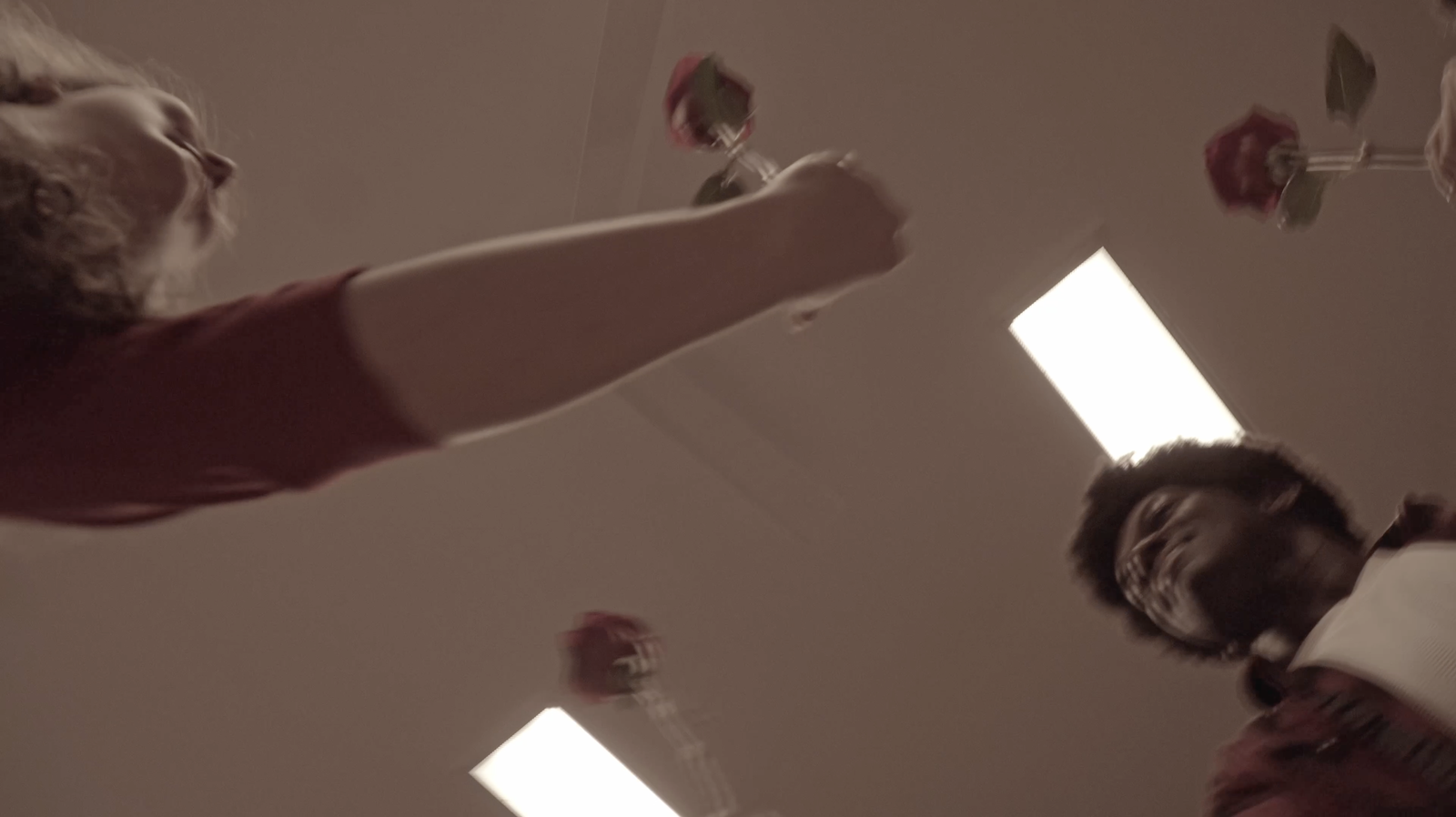
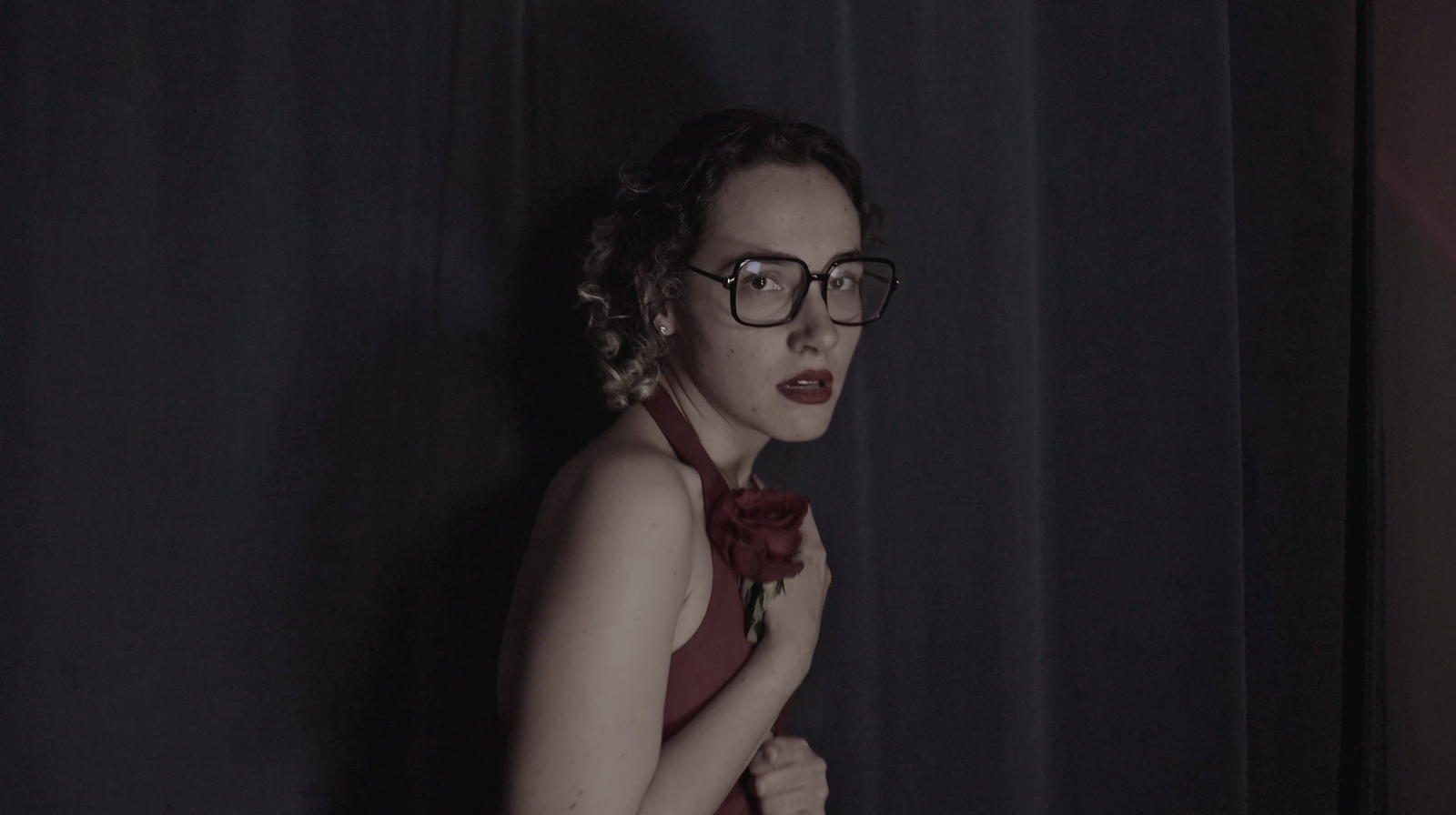
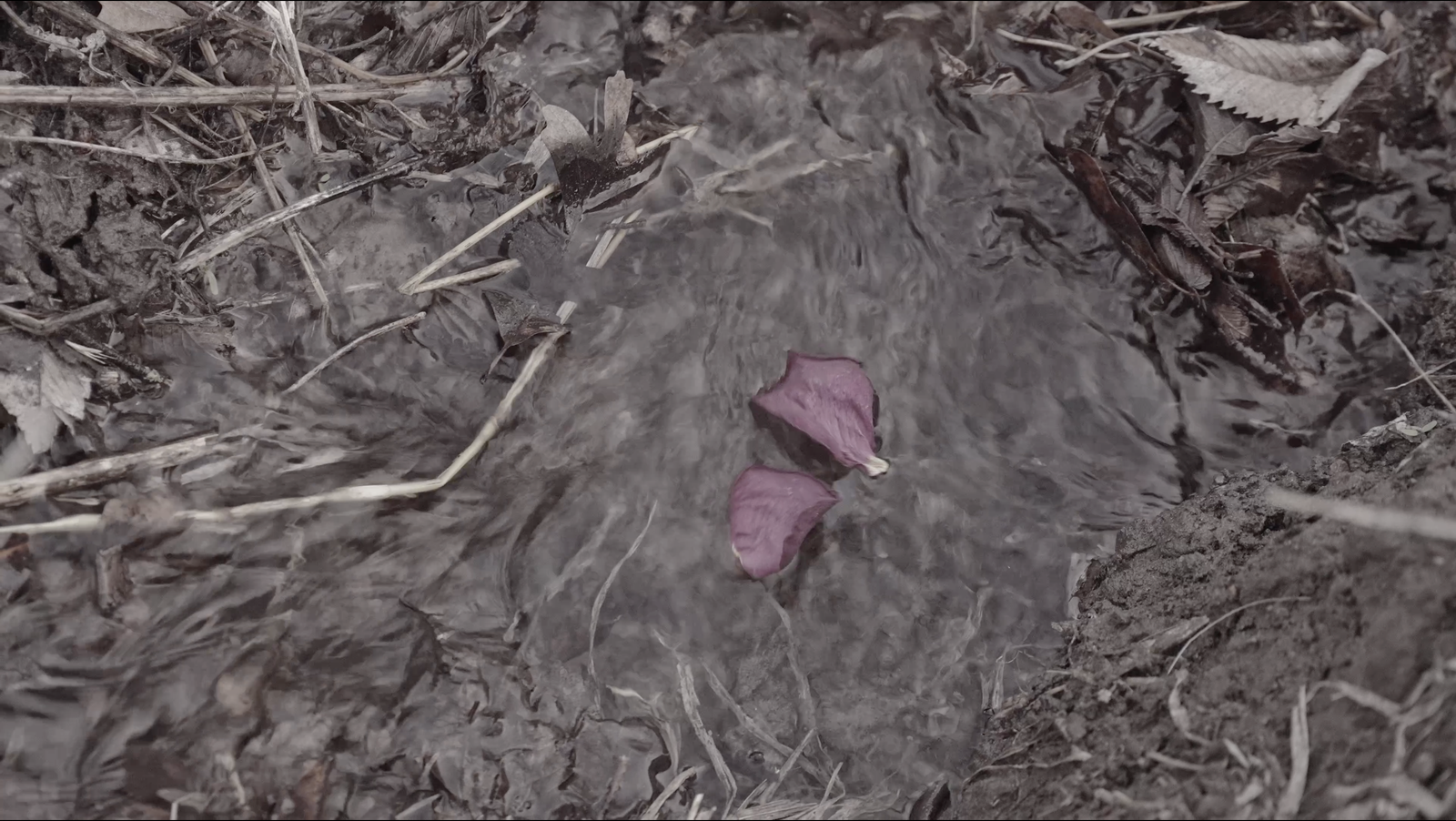
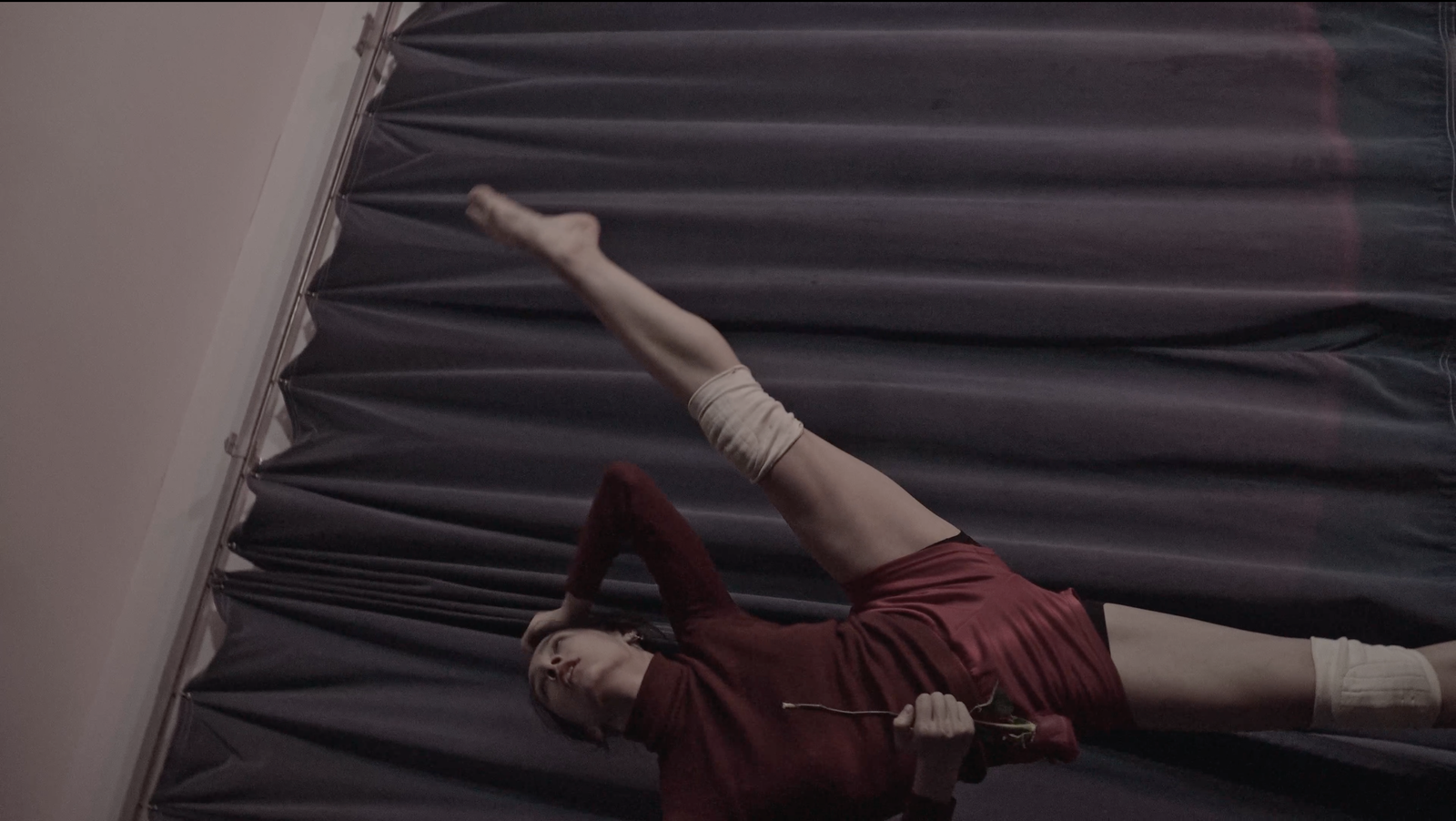
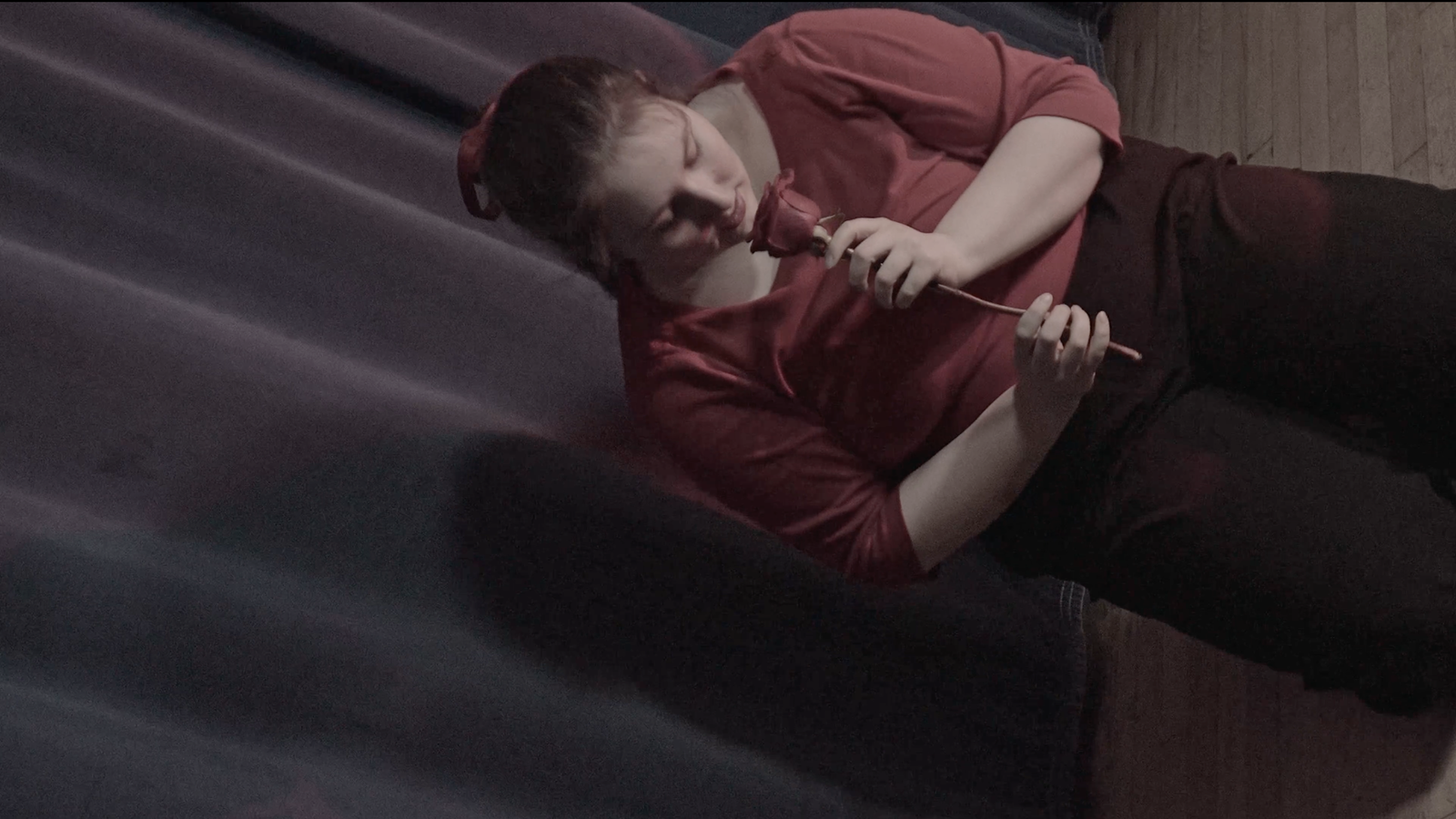
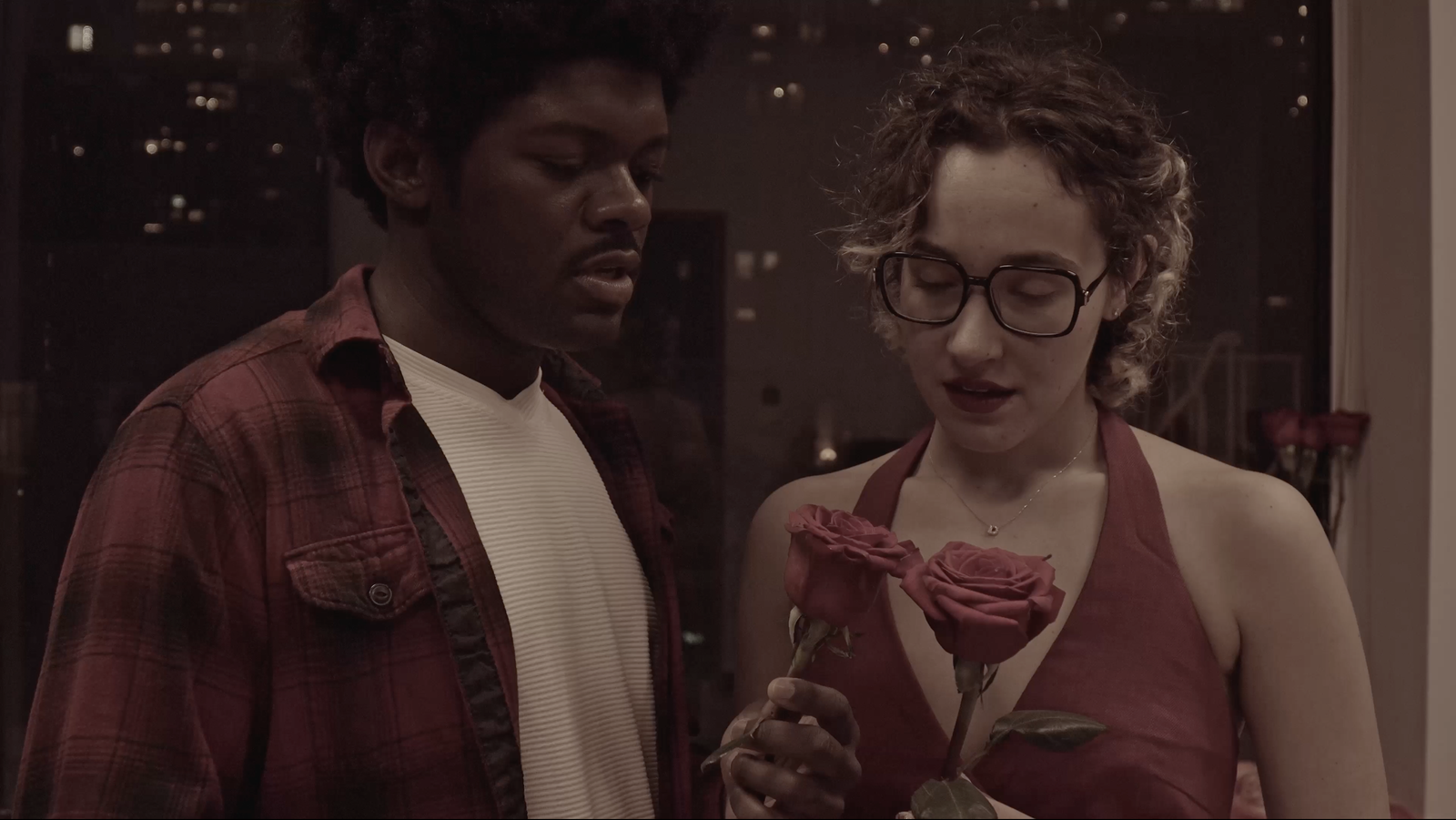
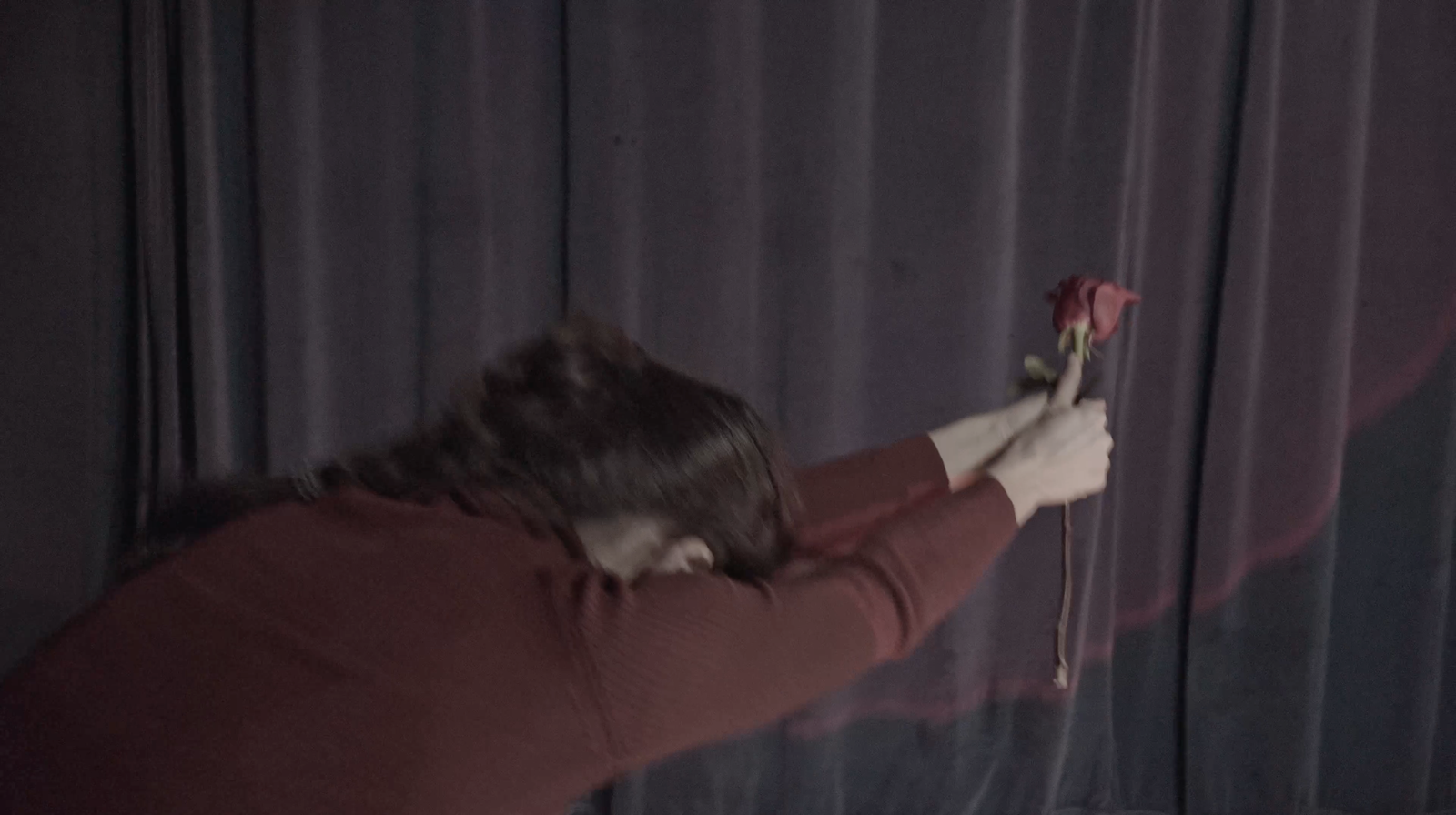
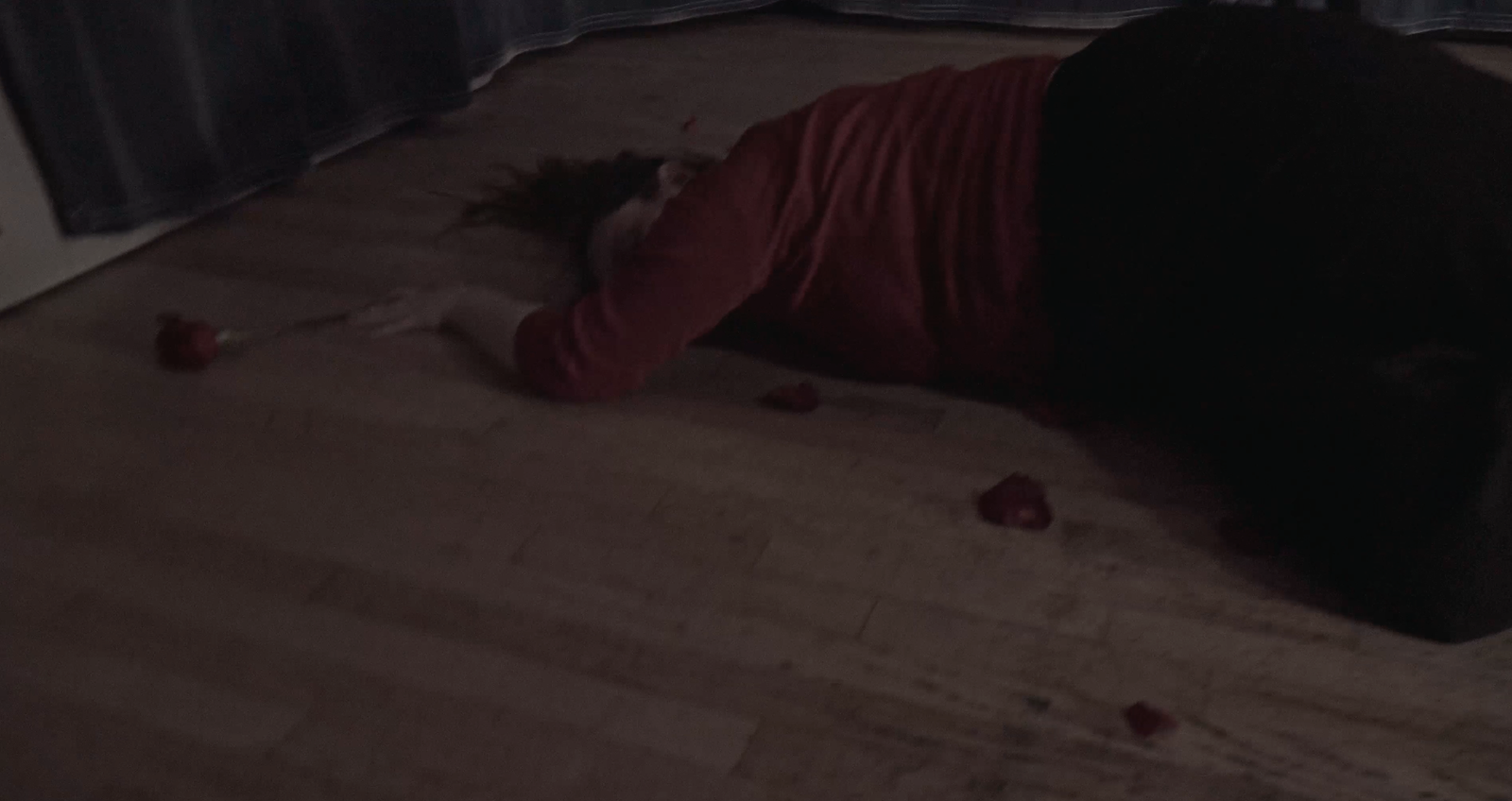
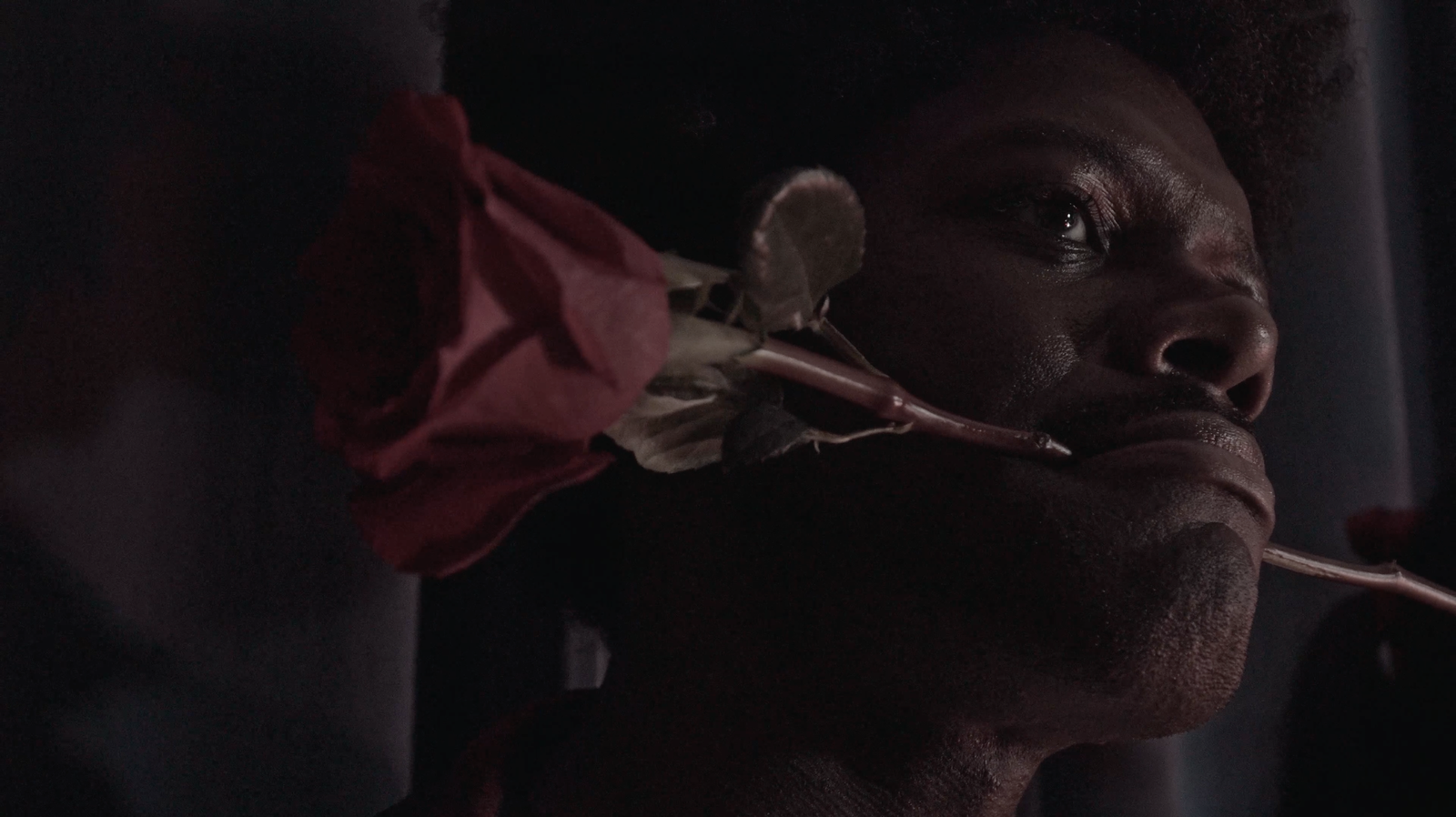
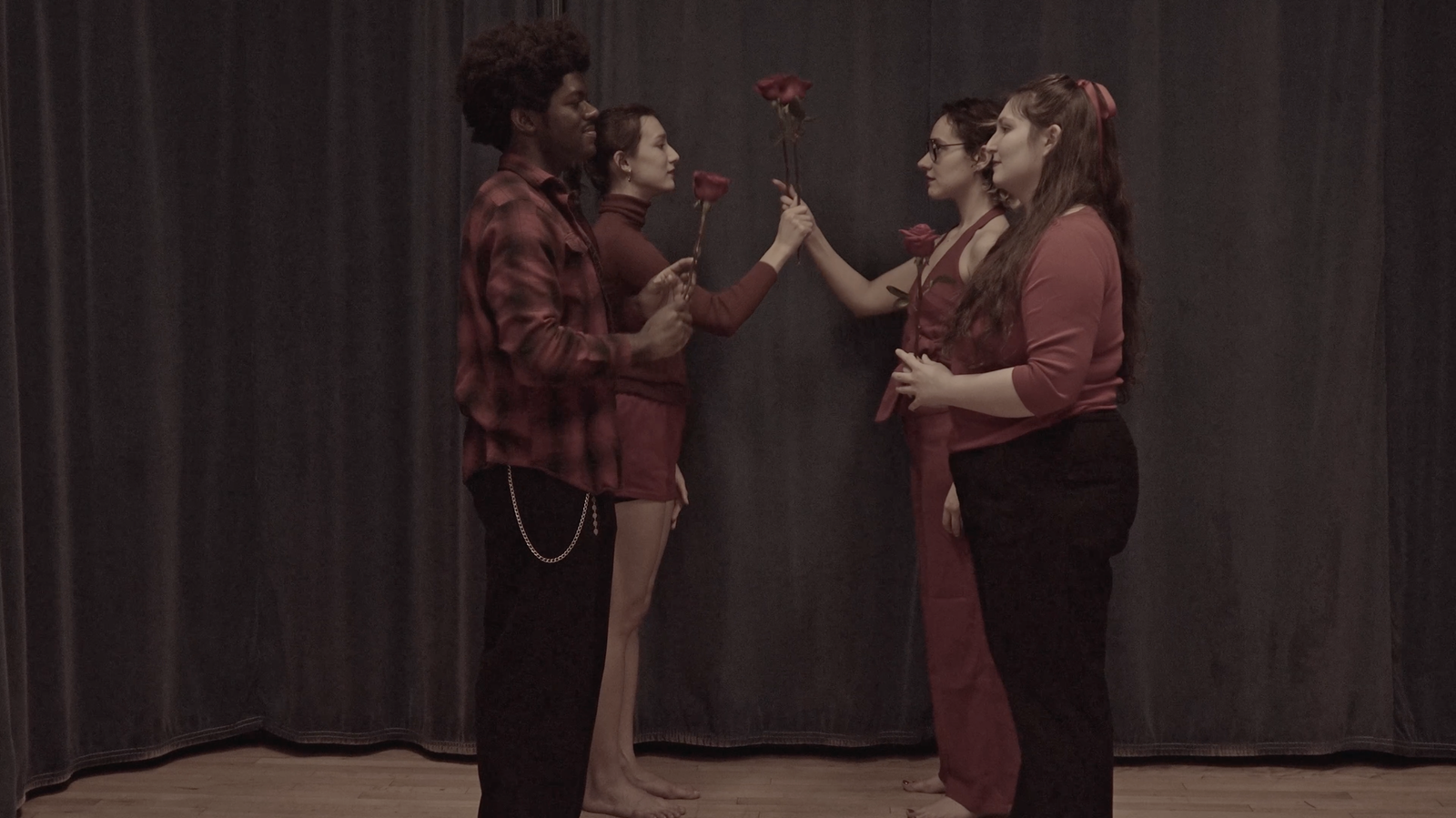
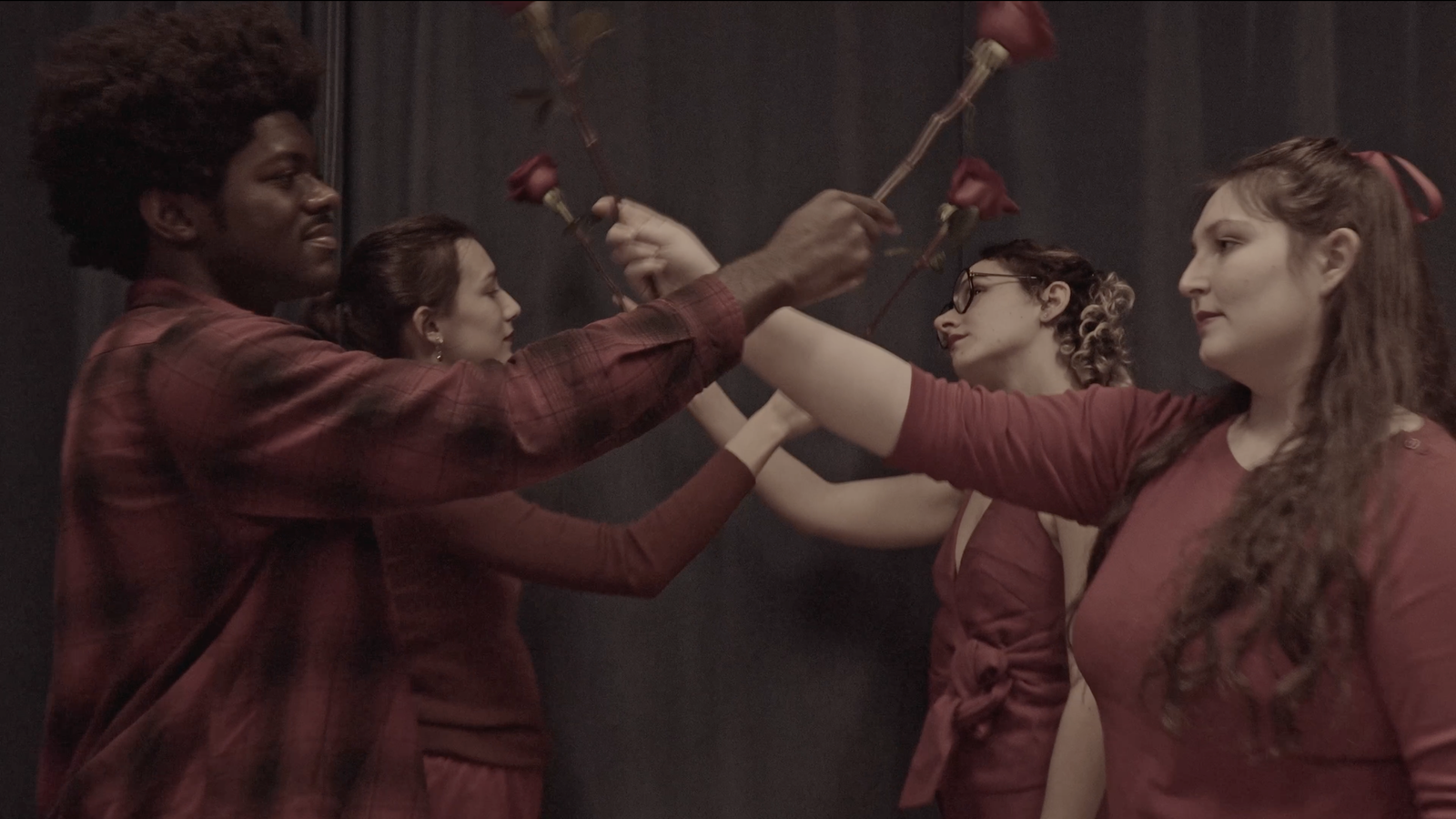
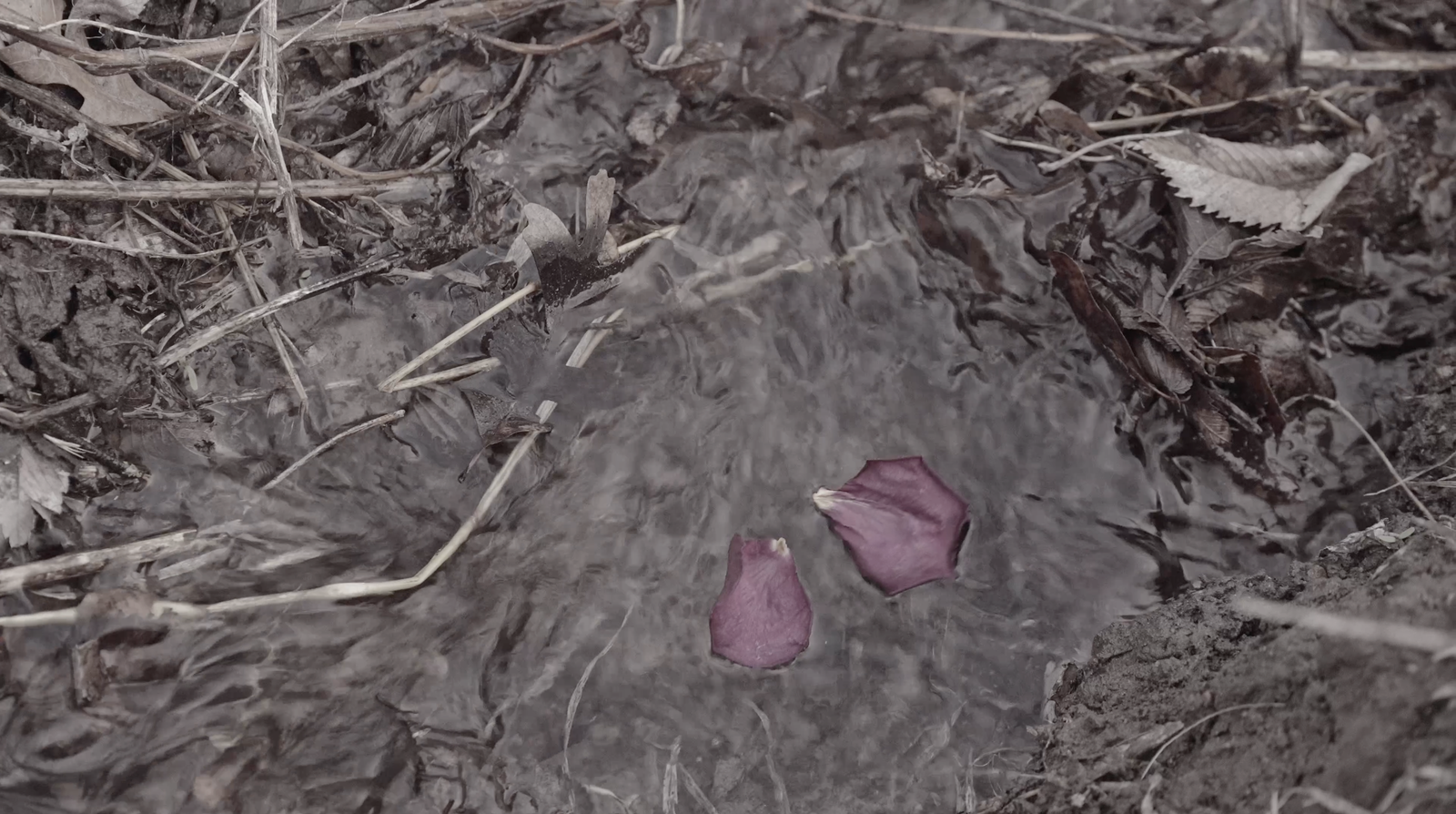
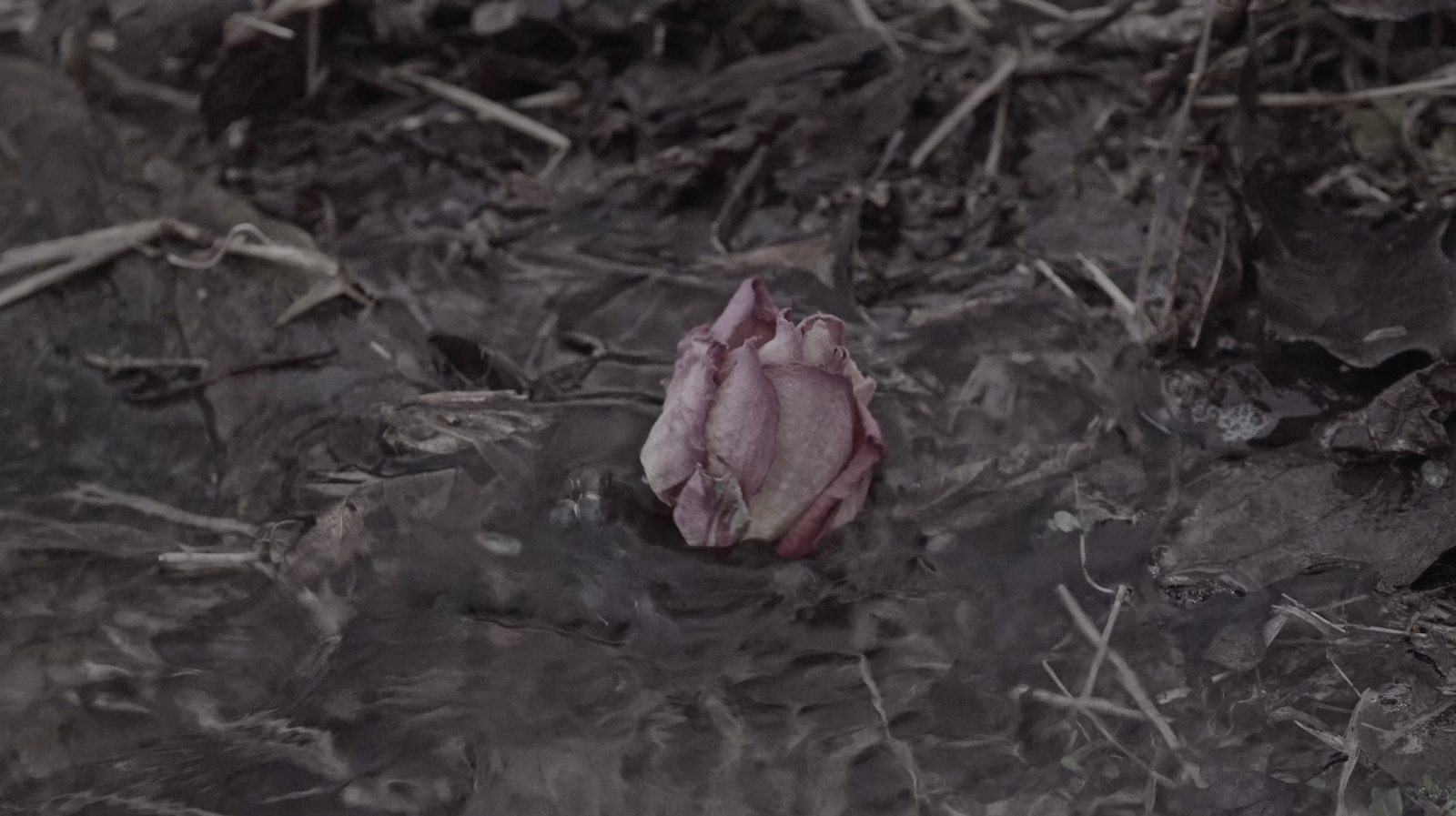
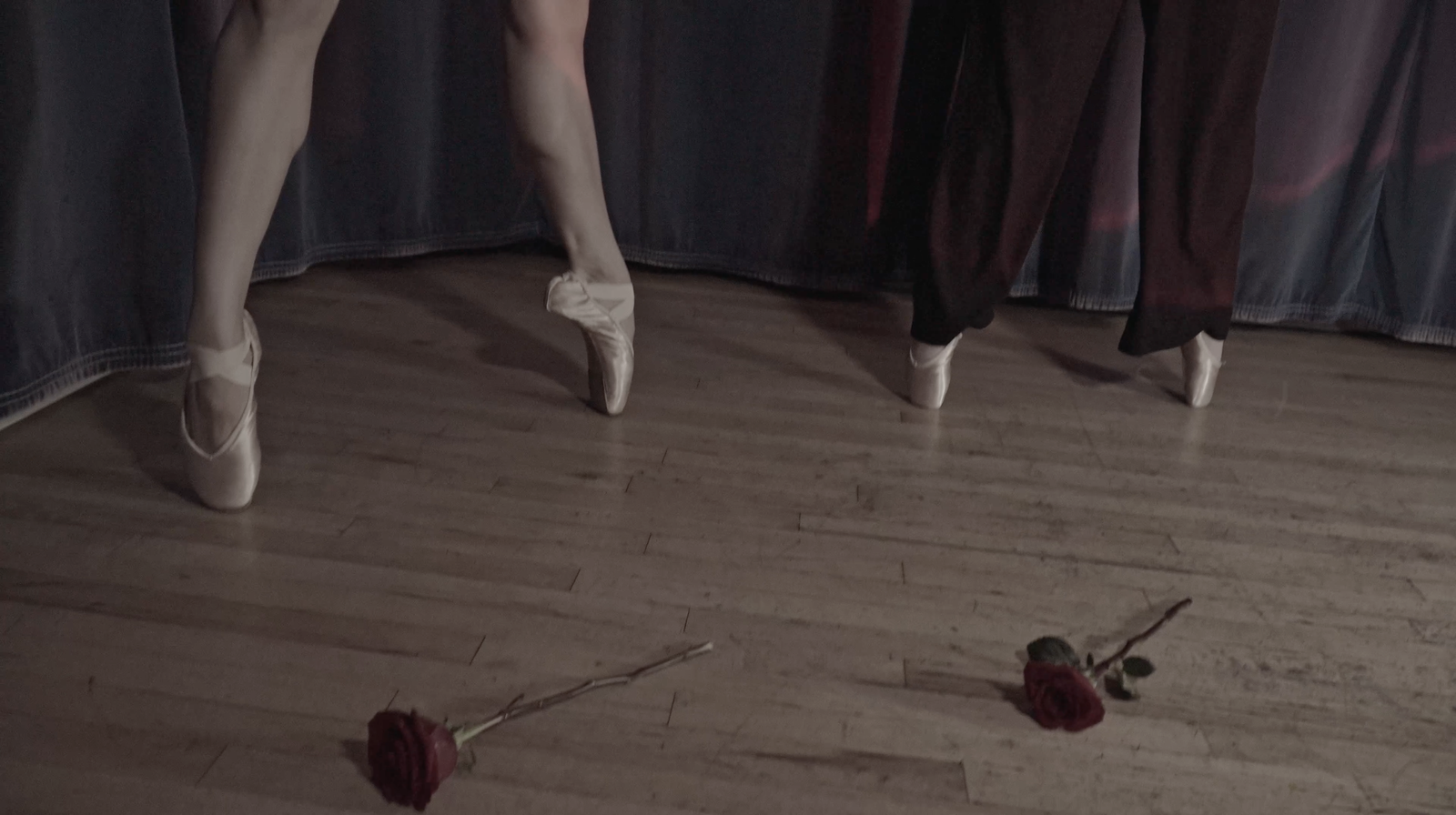
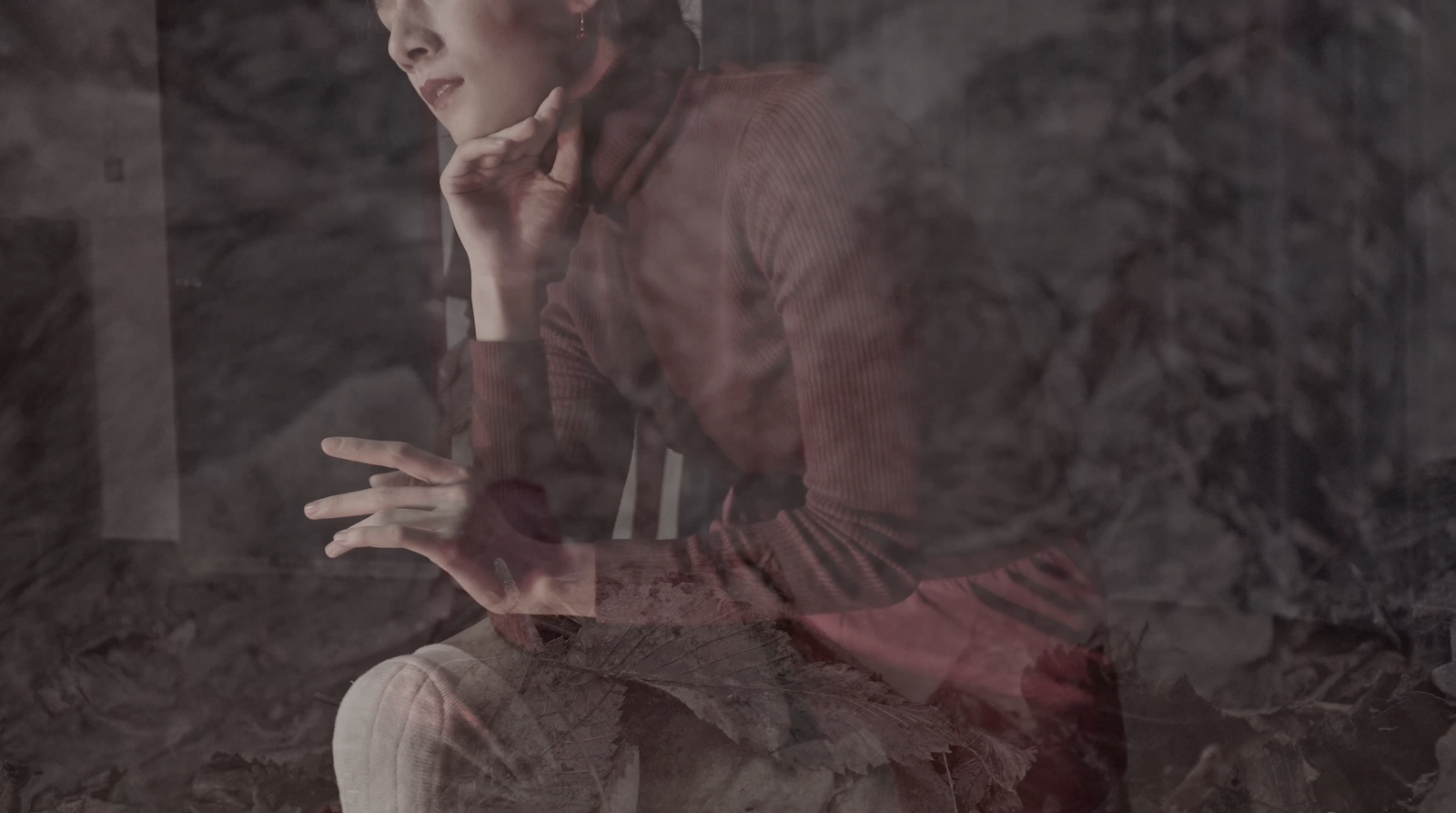
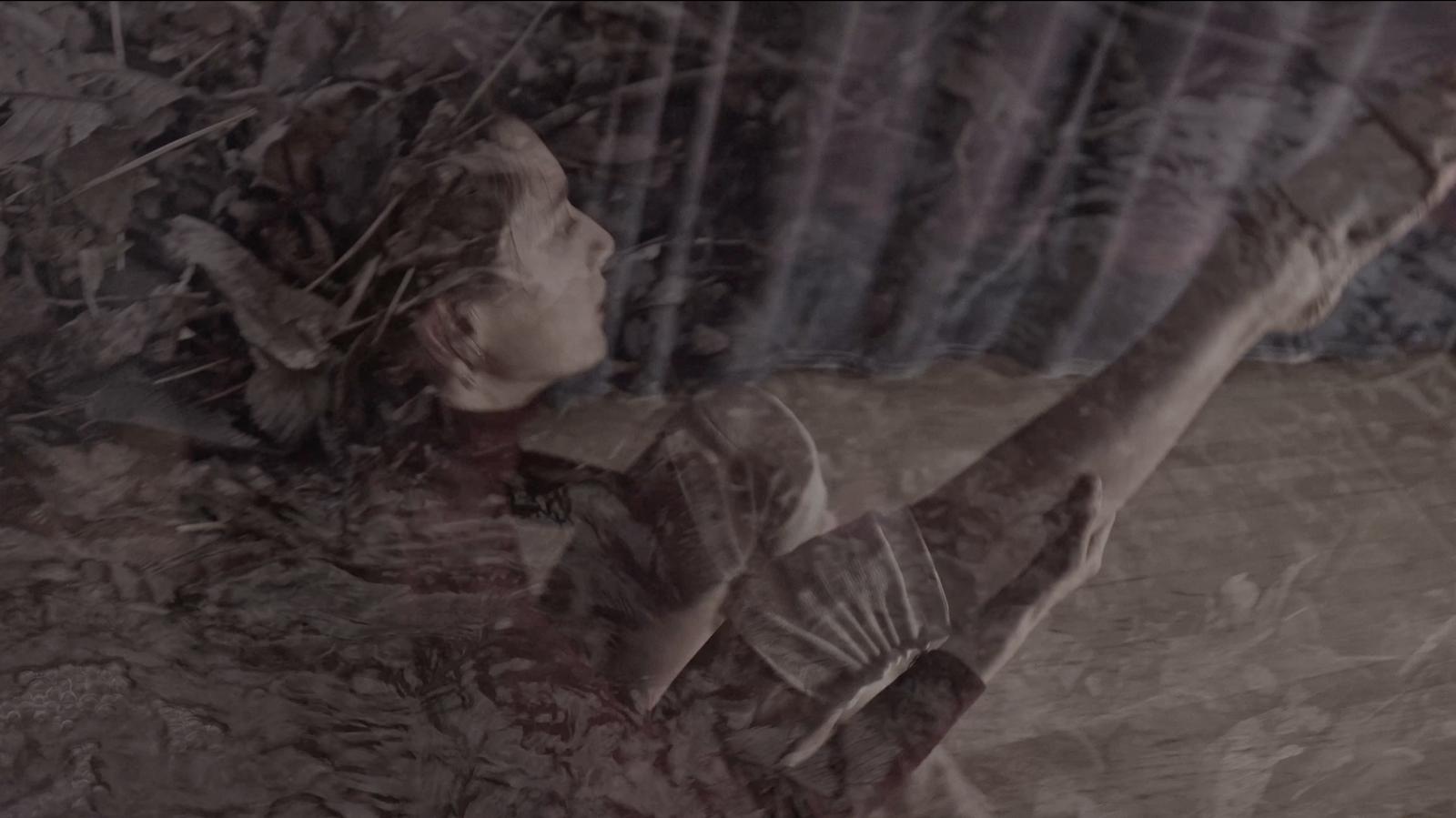
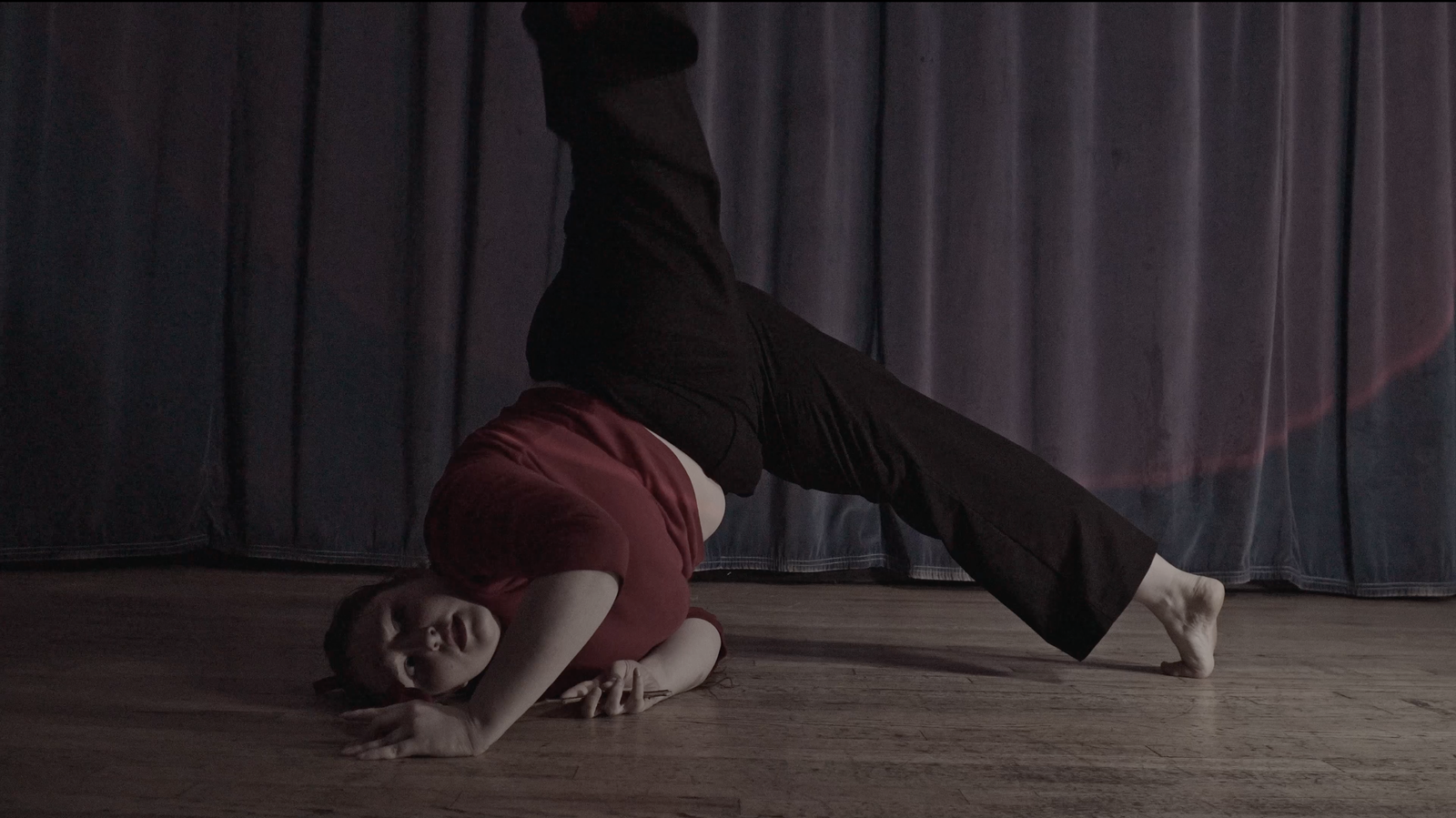
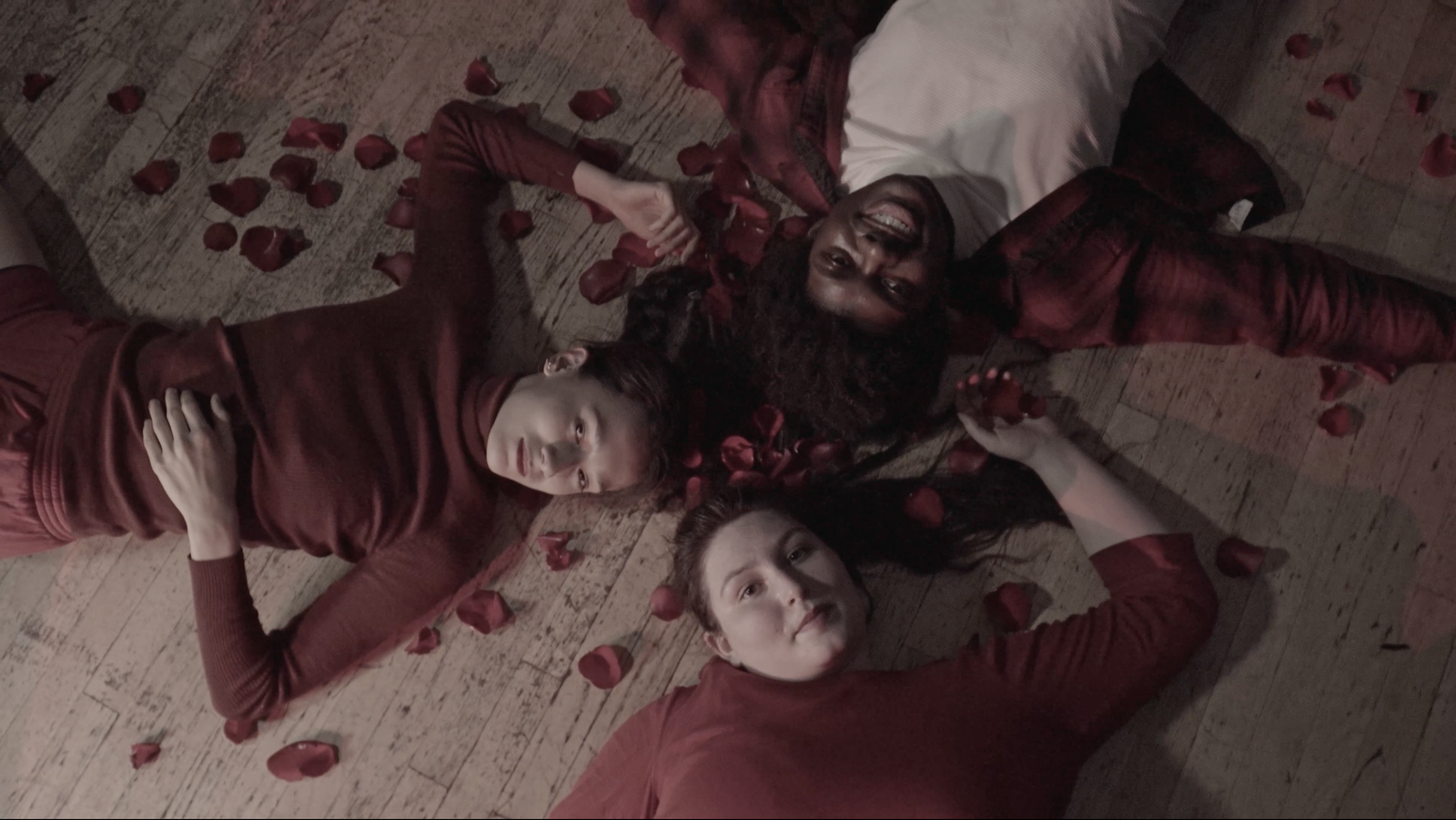
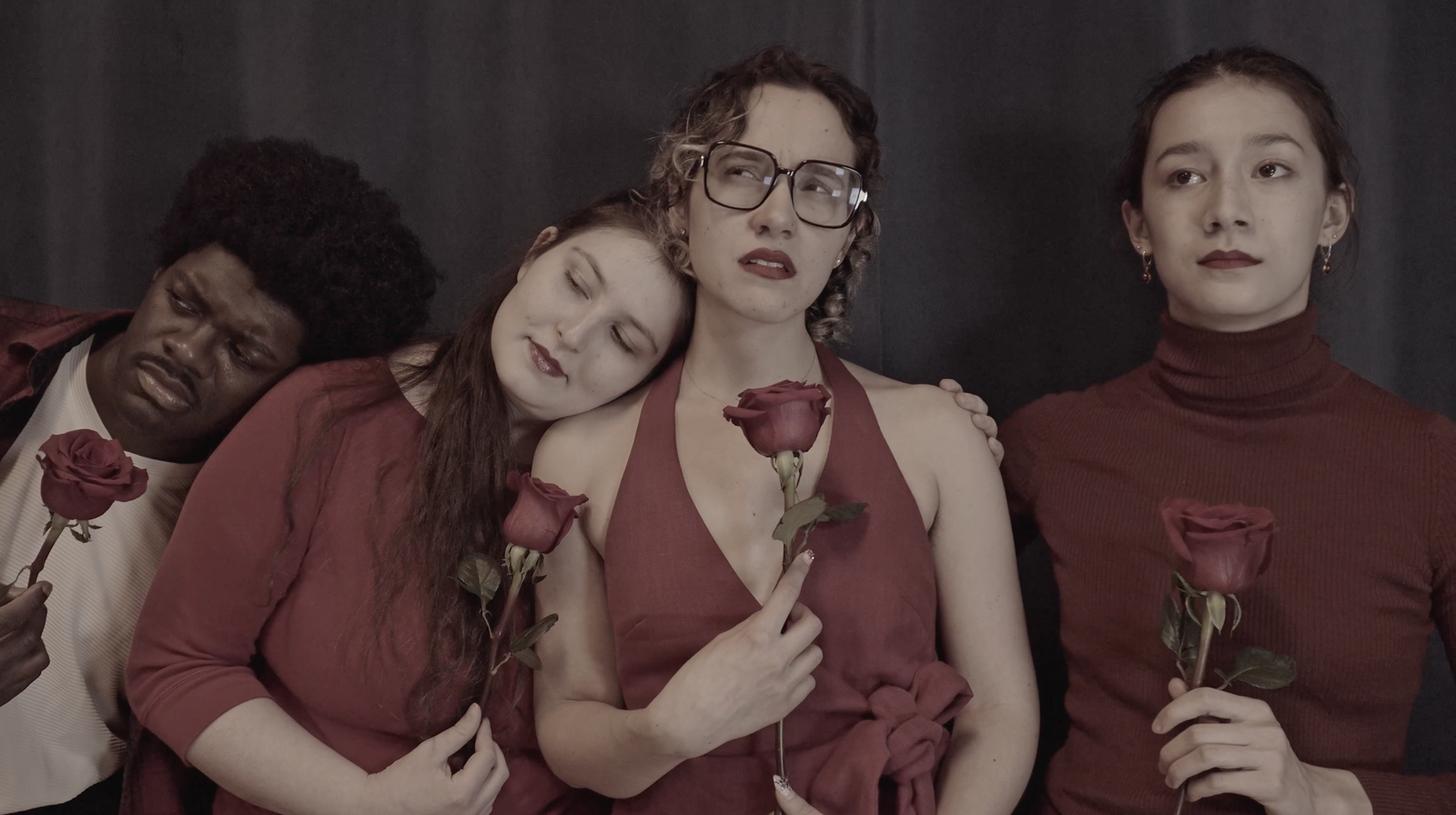
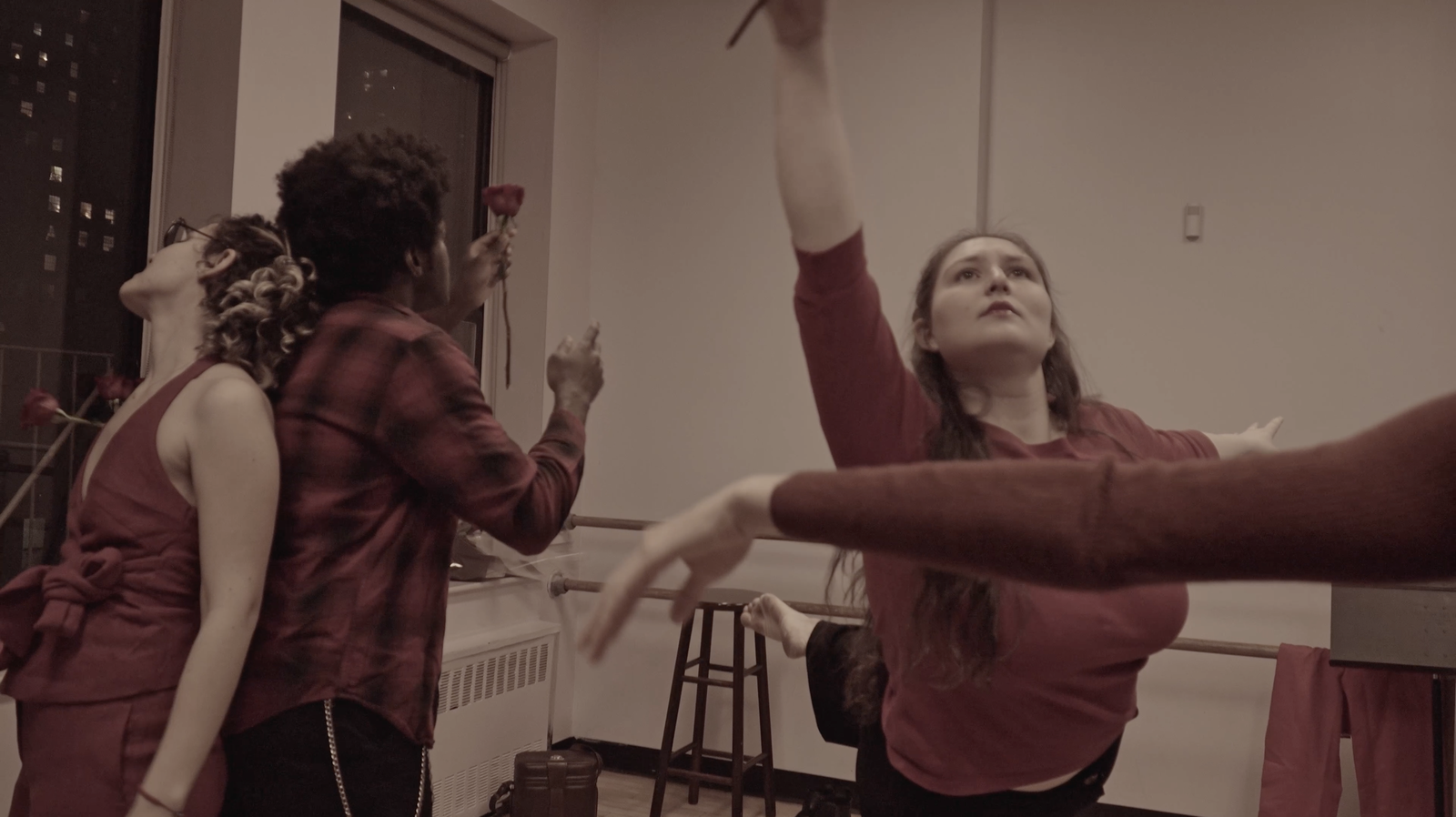
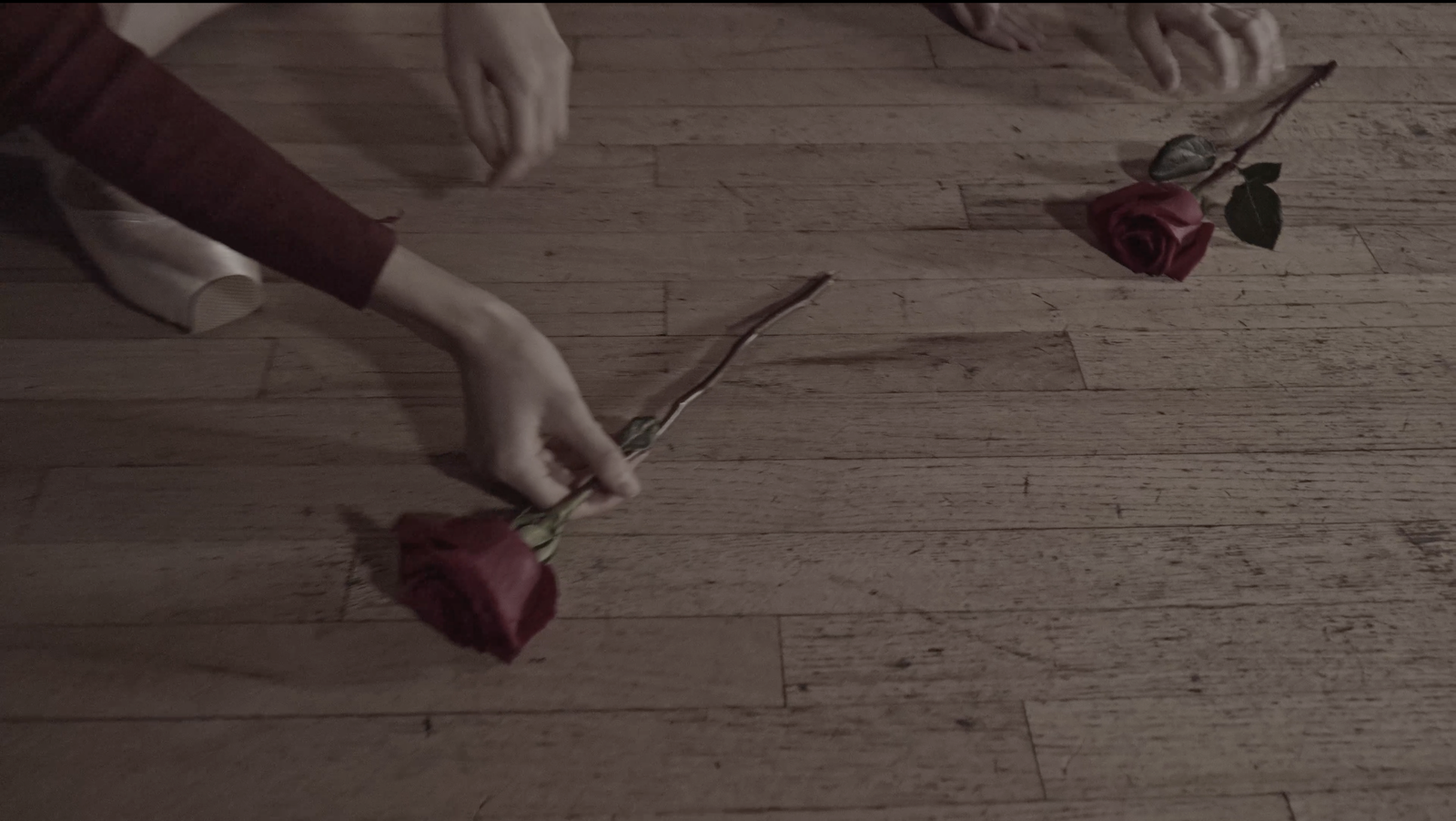
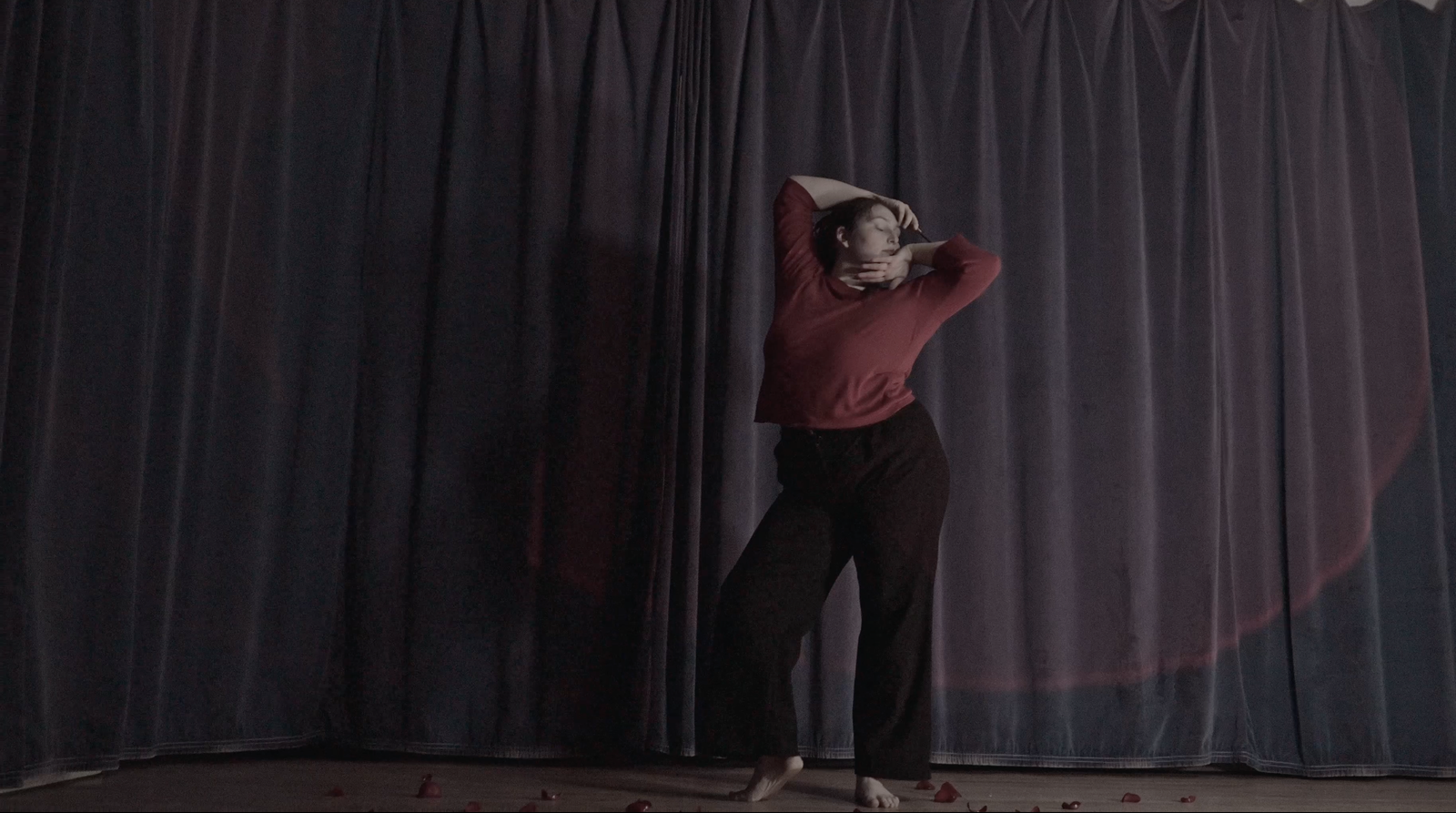
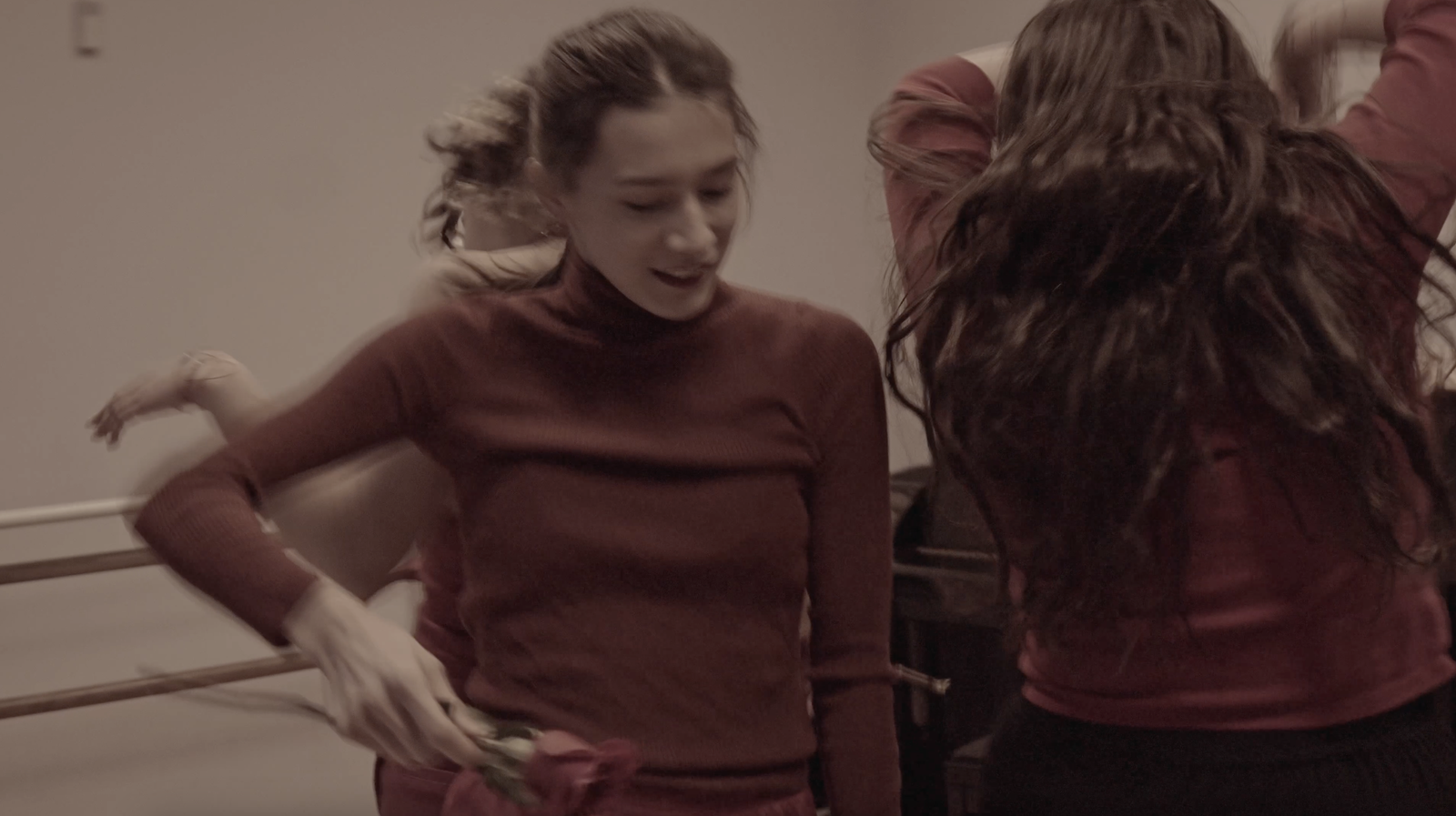
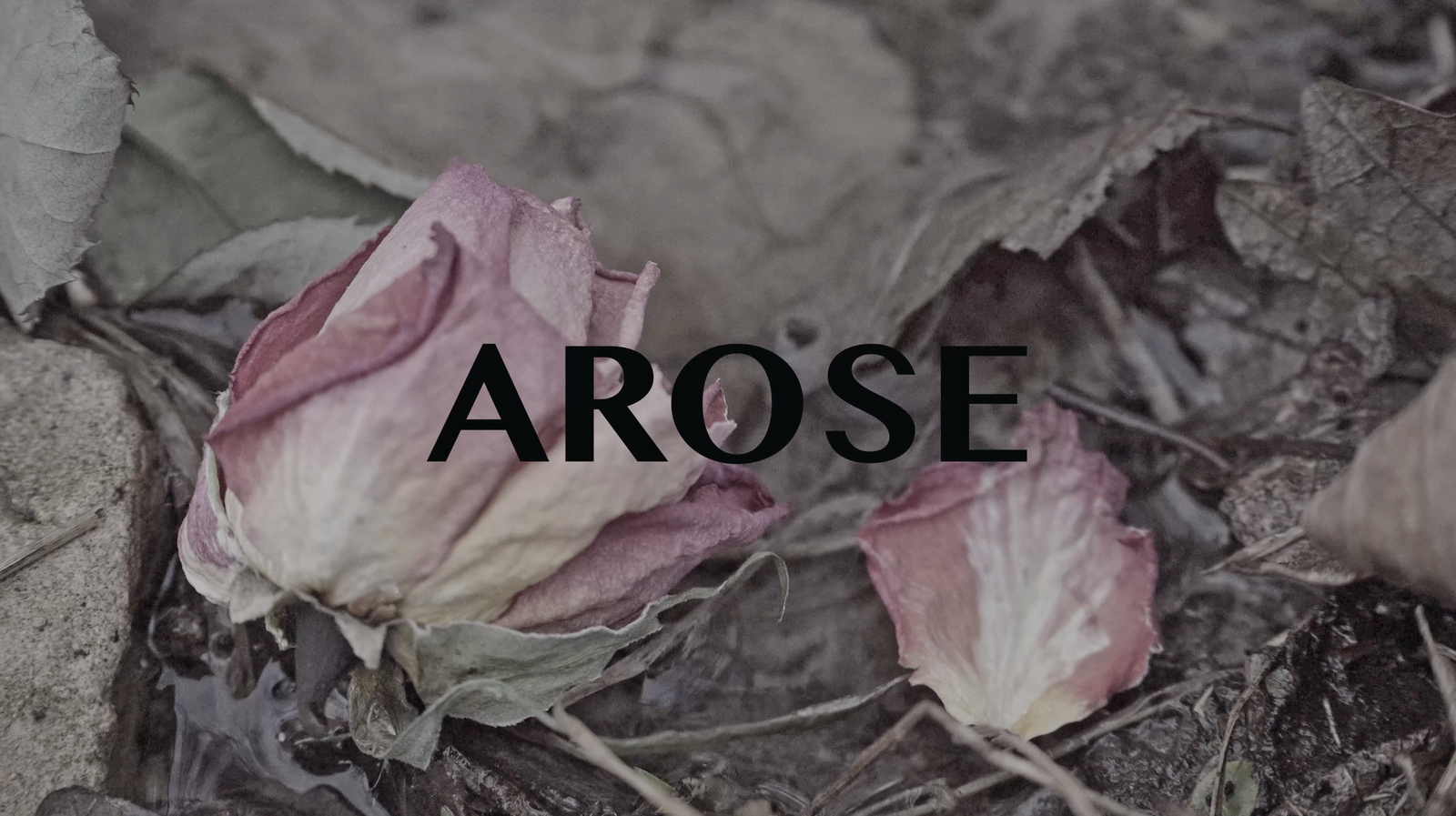
Arose is a 4.5-minute screendance featuring four dancers, who hold red roses and wear matching red garments. They bring to life the imagery of rose petals floating down early spring creeks. Arose features emotive ensemble and solo movement, pointe ballet, and poetry onscreen from within an enchambered space. Arose distinctly combines the word’s dualmeaning of arising, and of roses themselves, through three motifs: first, enchamberment within the studio, set, frame, and temporal moment; secondly, a somnambulist heart-led directionality; and third, the potent waters of first spring.
The film’s red theme foregrounds the heart as a vessel of spiritual and logical clarity: two performers recite “Arose, I from deep slumber, long a somnambulist, awakened by the tender beat of my own heart.” Each dancer “arose” to a clarity, that emerges from the values of the present moment rather than future vision. Buddhist philosopher Lau Tzu said, “the longest journey you will take in life is from your head to your heart.”
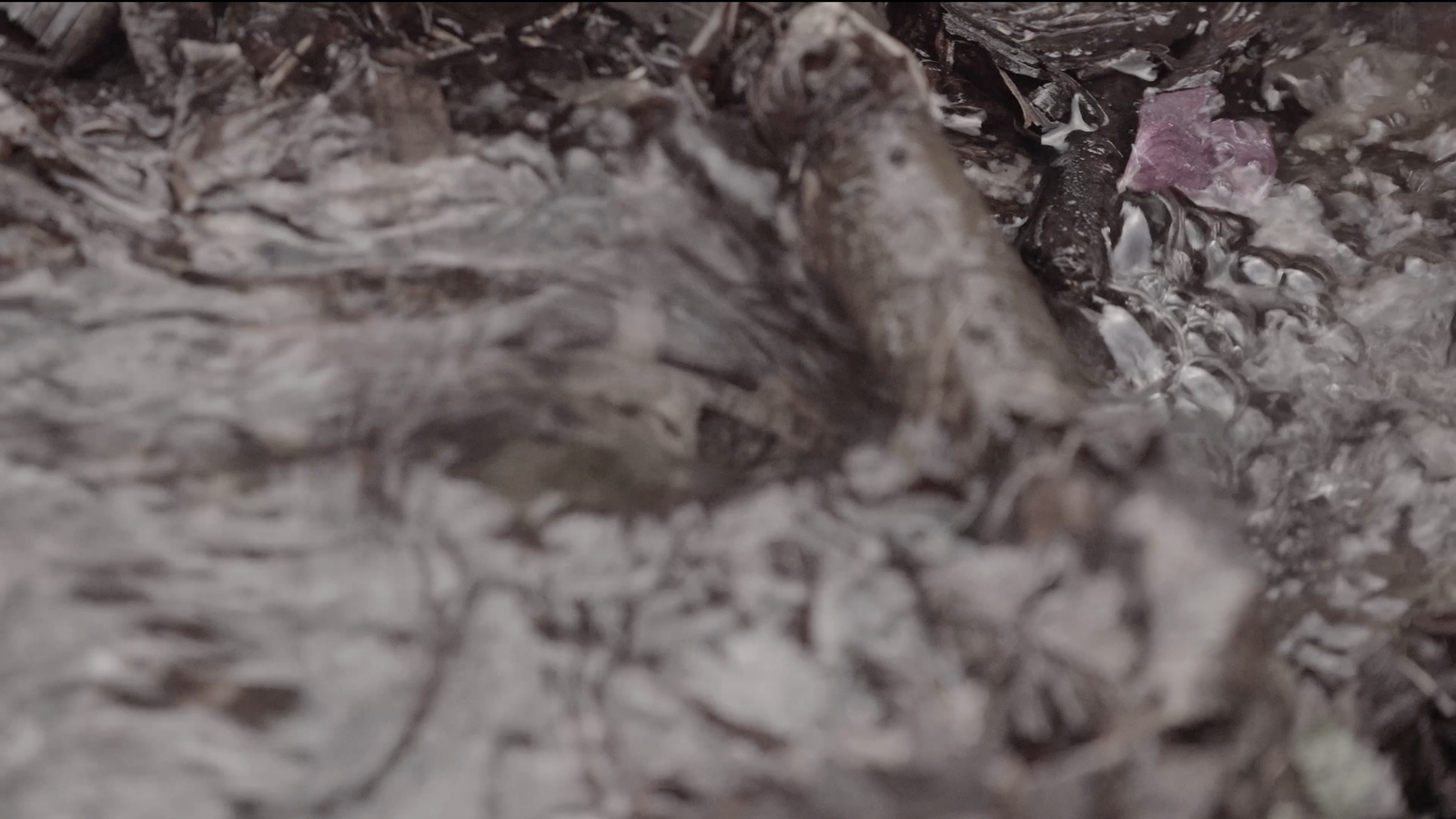
A creek visually conveys the forward momentum of gravity: evoking linear and cyclical time amid the dancer’s journeys through love and loss. Rose petals flow downward through the stream, representing unity and separation, and succumbing to the ebb and flow of biological rhythms. The rose’s supposed stillness when rooted contrasts with its uncontrolled flow through water in this film. There is a ‘loss of purity’ as the petals become disparate and individuated, representing how lived experience fragments and dissolves the self as the modernist illusion of separation shatters, and the intersubjective ecology of being is embraced. Gravity acts as a form of fate, necessitating acceptance of change, even when we think we are rooted — contesting notions of perpetual stillness as a more ‘valuable’ or ‘pure’ meditative essence than movement. While Arose evokes the vernal qualities of spring such as thawing, growth, and renewal, it also points to the inevitability of decay, in that “all things must fall.”
The dancers’ beguiling emotional passion and distance draws upon how the heart’s guidance has been at times historically misconstrued as romantic idealism or dreamlike confusion — a Neptunian malefic. Yet born from those chaotic waters is the goddess Aphrodite, who facilitates humanity’s era-transcendent need to grapple with both love and war. Sensorial pleasures and inner sparks ask with Venusian clarity how to move through the world in heart-centered ways: how we dance as though it is possible for everything to work out, and how to move with vulnerability and passionate resolve as stepping stones to harmony.
In Arose, a dance studio is strewn with red clothes, roses, and kitsch elements to create a feeling of enchamberment. The dancers’ movements embody the metaphorical significance of somnambulism, meaning “sleep walking,” within leading a heart-led life. Sleepwalking — motivated by unconscious will — foregrounded the turn of the century ideation on dream interpretation and psychoanalysis. The separation between conscious and subconscious becomes at once cleared and blurred by the somnambulist. Sleepwalking was prominent theme within the Symbolist and Romantic movements of the late 19th century, which also inspire this film’s elements of melodrama, simplicity, and mystery.
Arose draws its initial poetic inspiration from two films by the avant-garde filmmaker Maya Deren. Her most well-known work Meshes of the Afternoon, made in 1943, is a hallmark of bringing feminist introspection to cinema, through floral and domestic symbolisms, and states of trance, that are drawn from in this film. Arose also is in no small part inspired by Deren’s unfinished 1951 dance film, Ensemble for Somnambulists, which is a seven-minute silent black-and-white film that features five dancers who move through trancelike states in orbital rotations amid a twinkling cosmic background.
CREDITS
Directed, filmed, written, and edited by Lily Selthofner
Choreographed by Lily Selthofner in collaboration with the cast
Onscreen performers:
Adara Allen – dancer
Nadia Benes – dancer
Jalen Ford – dancer, actor
Desislava Kreminlieva – dancer, actor
Music: Gates Pass – Composed and Performed by Rory Bricca
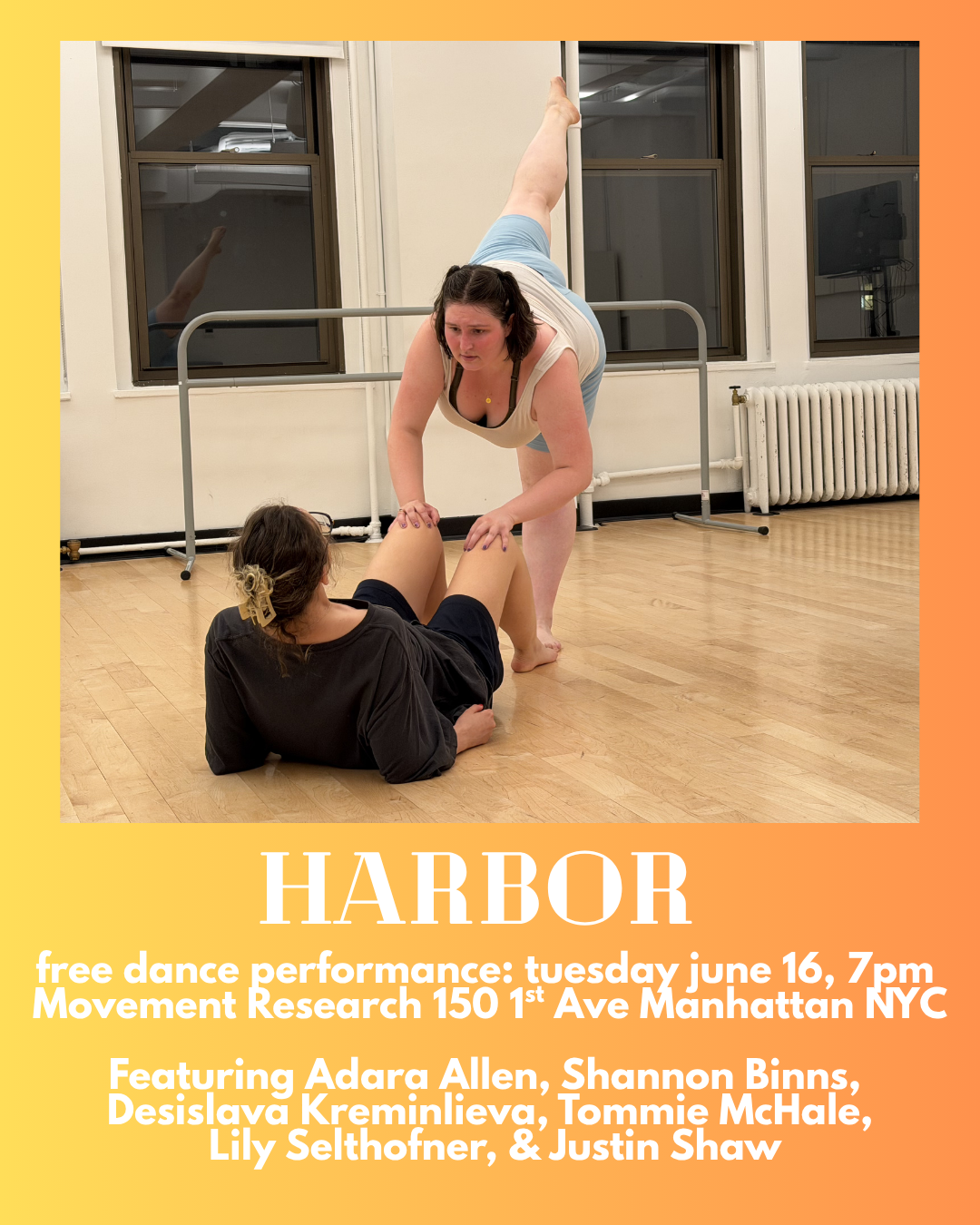
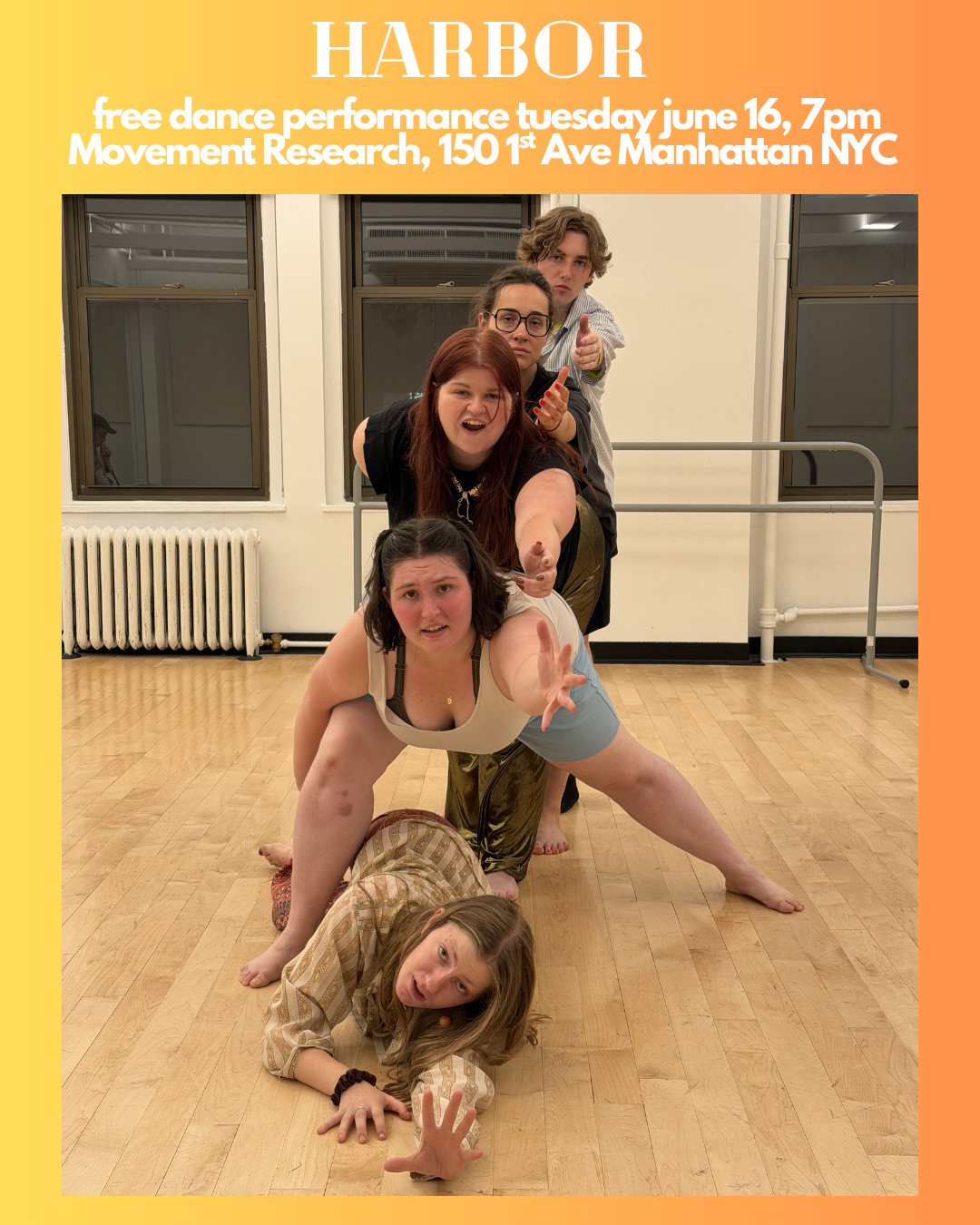
Harbor – June 2026 Performance – Open Dance Ensemble – Movement Research Open Performance Series
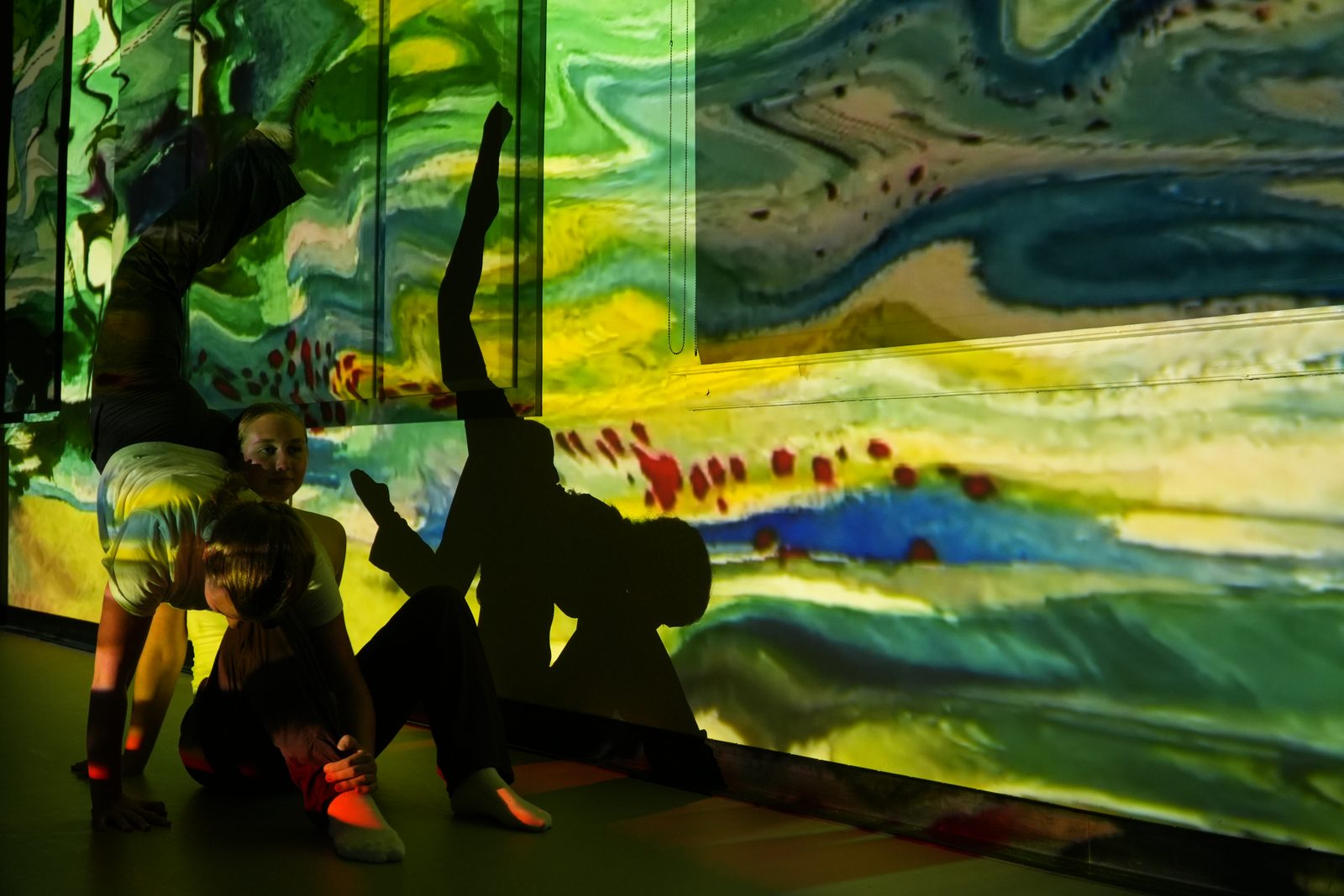
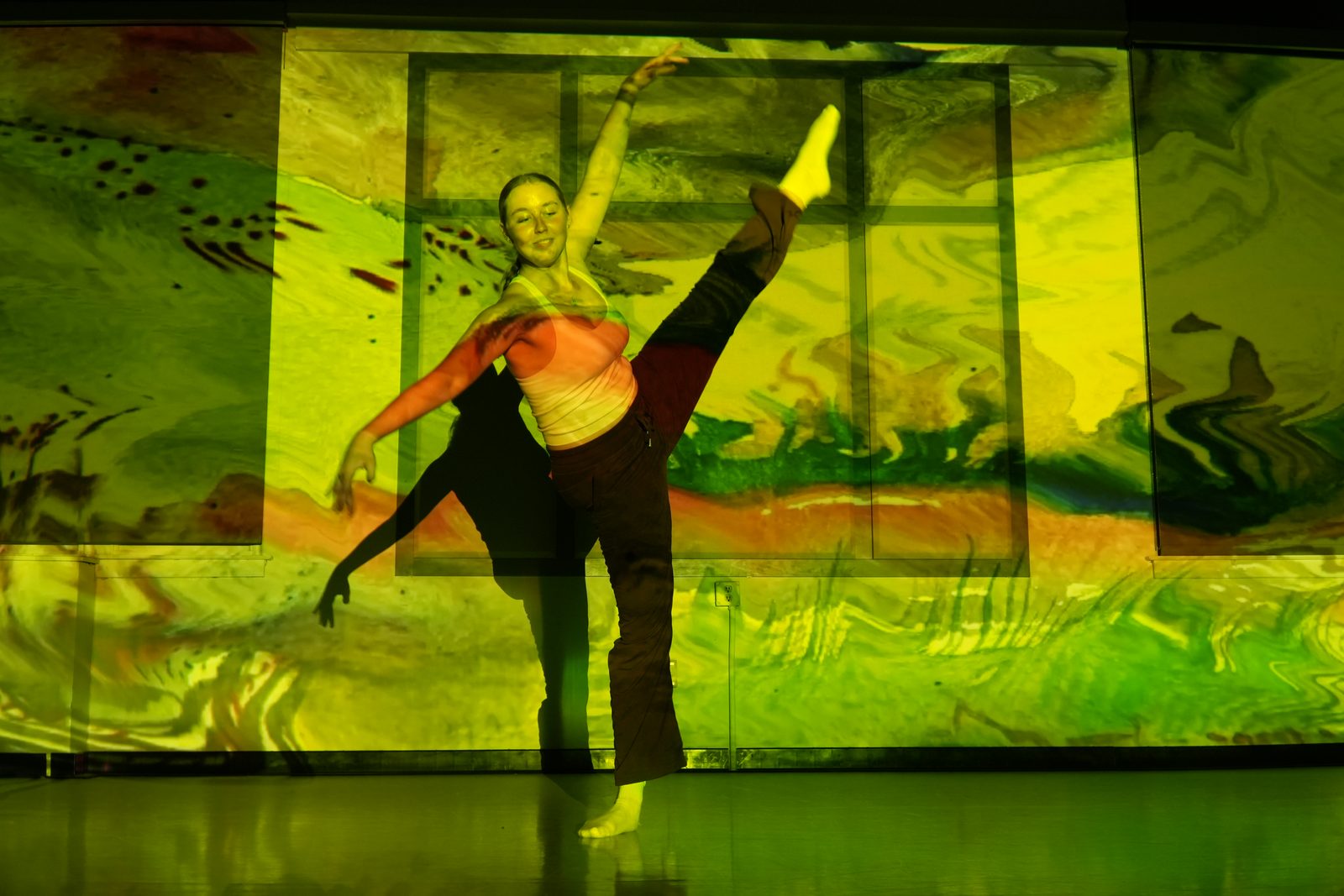
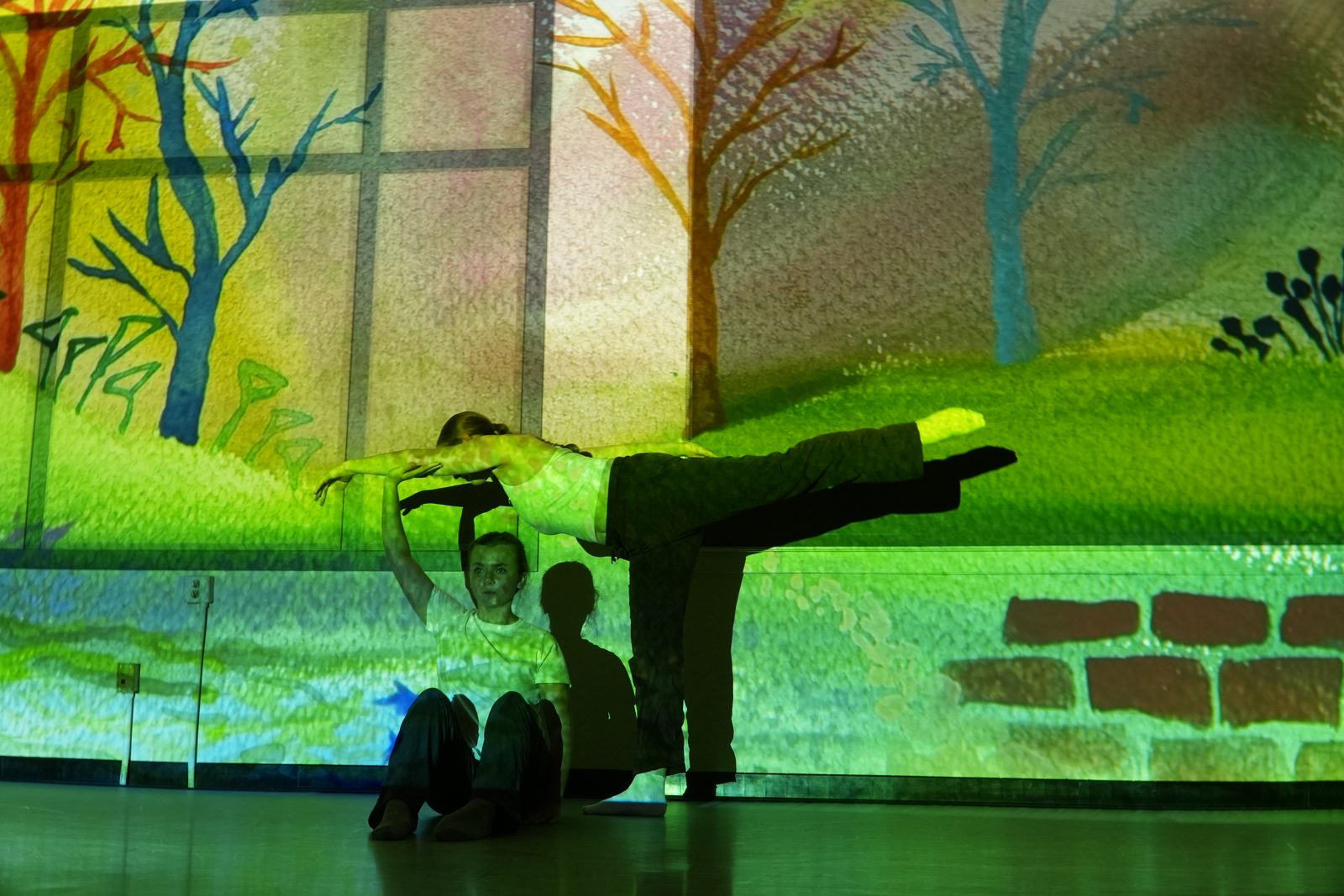
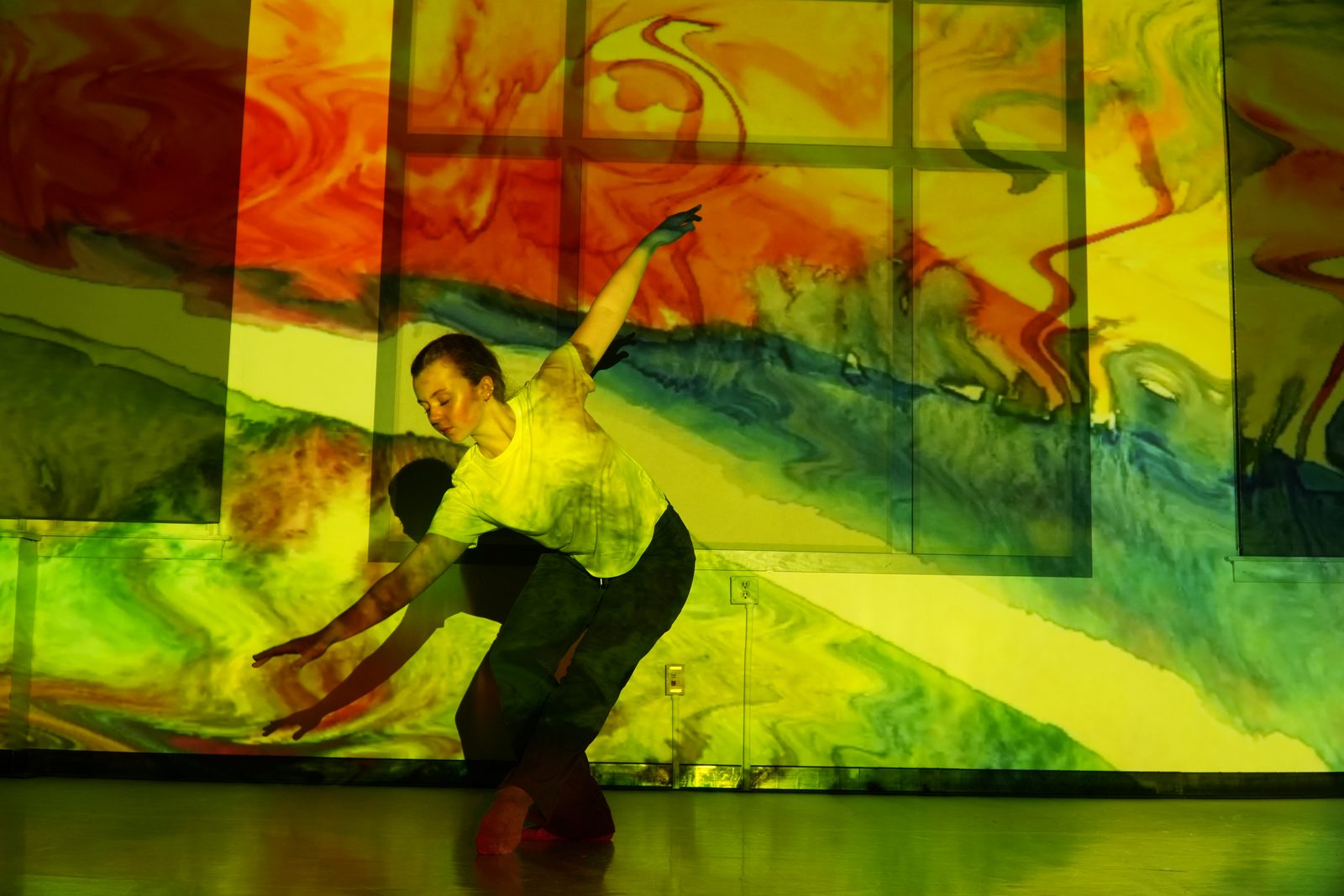
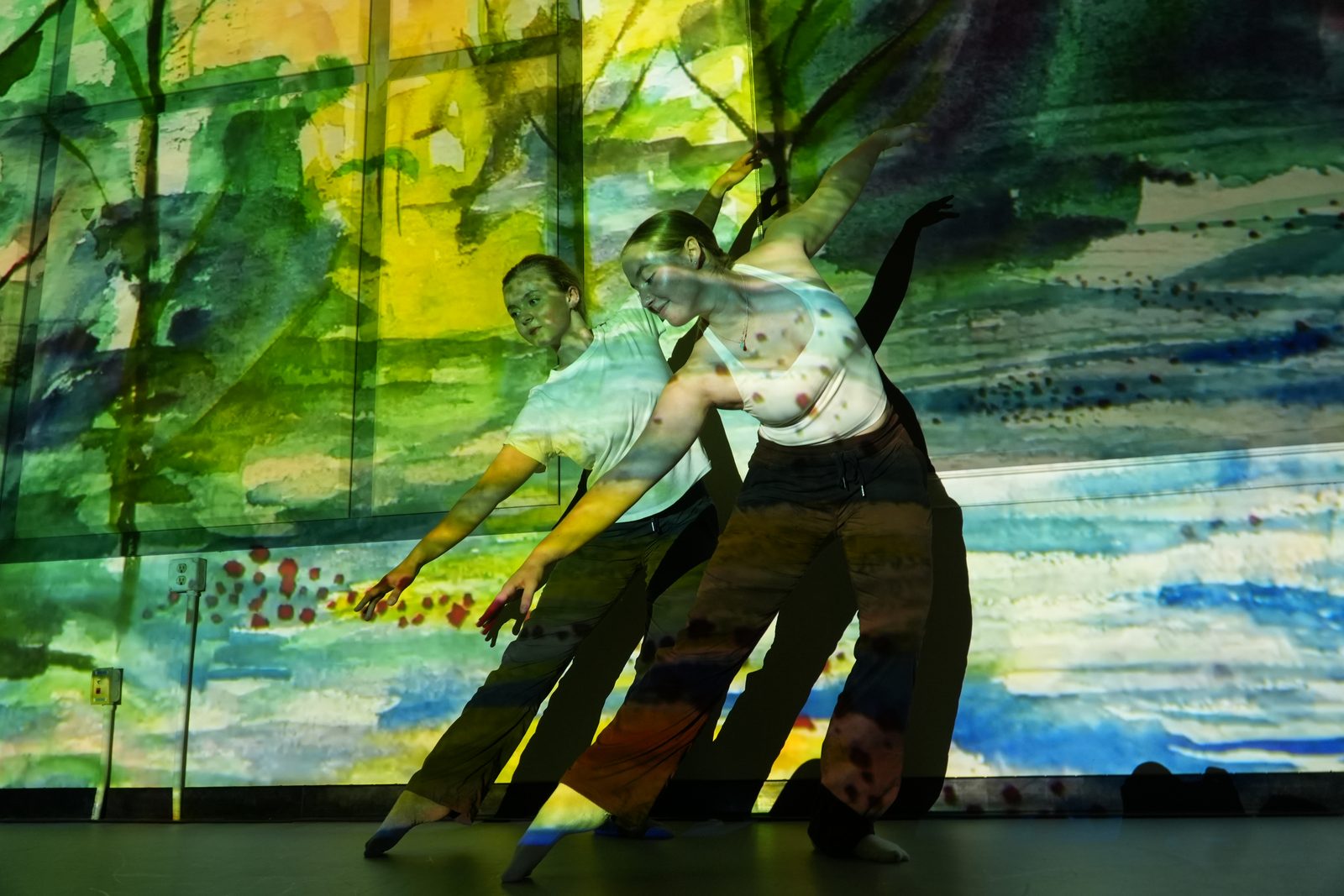
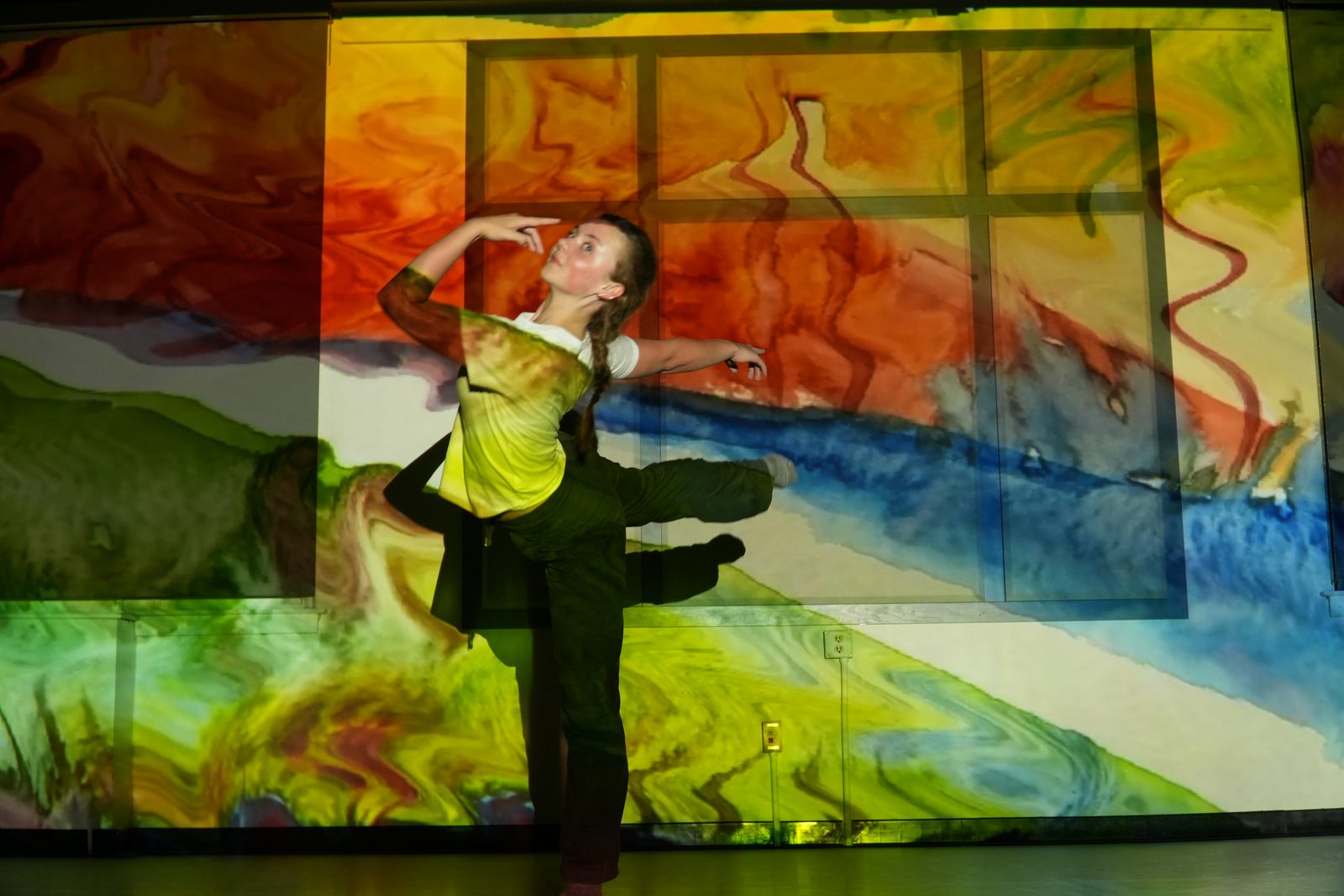
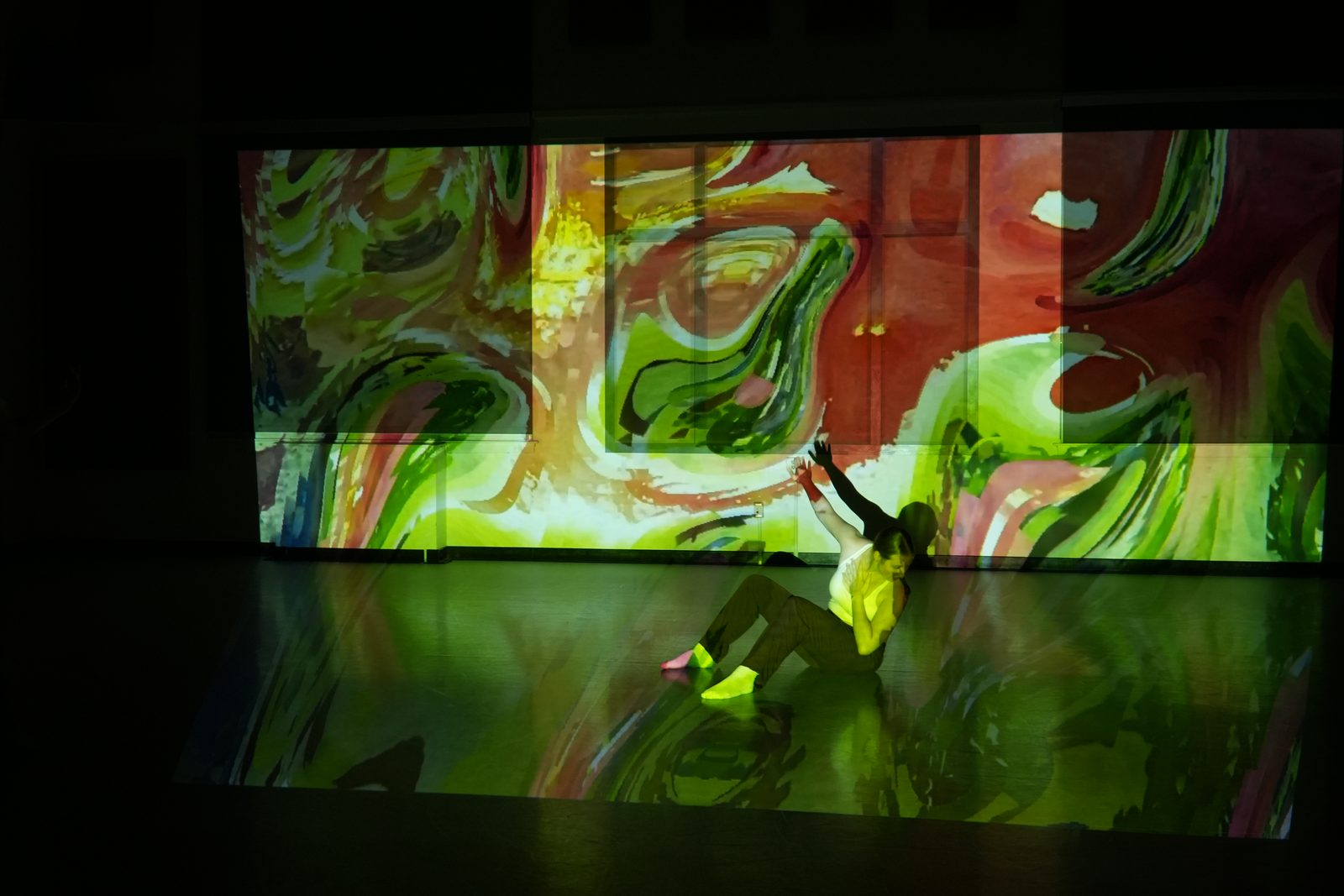
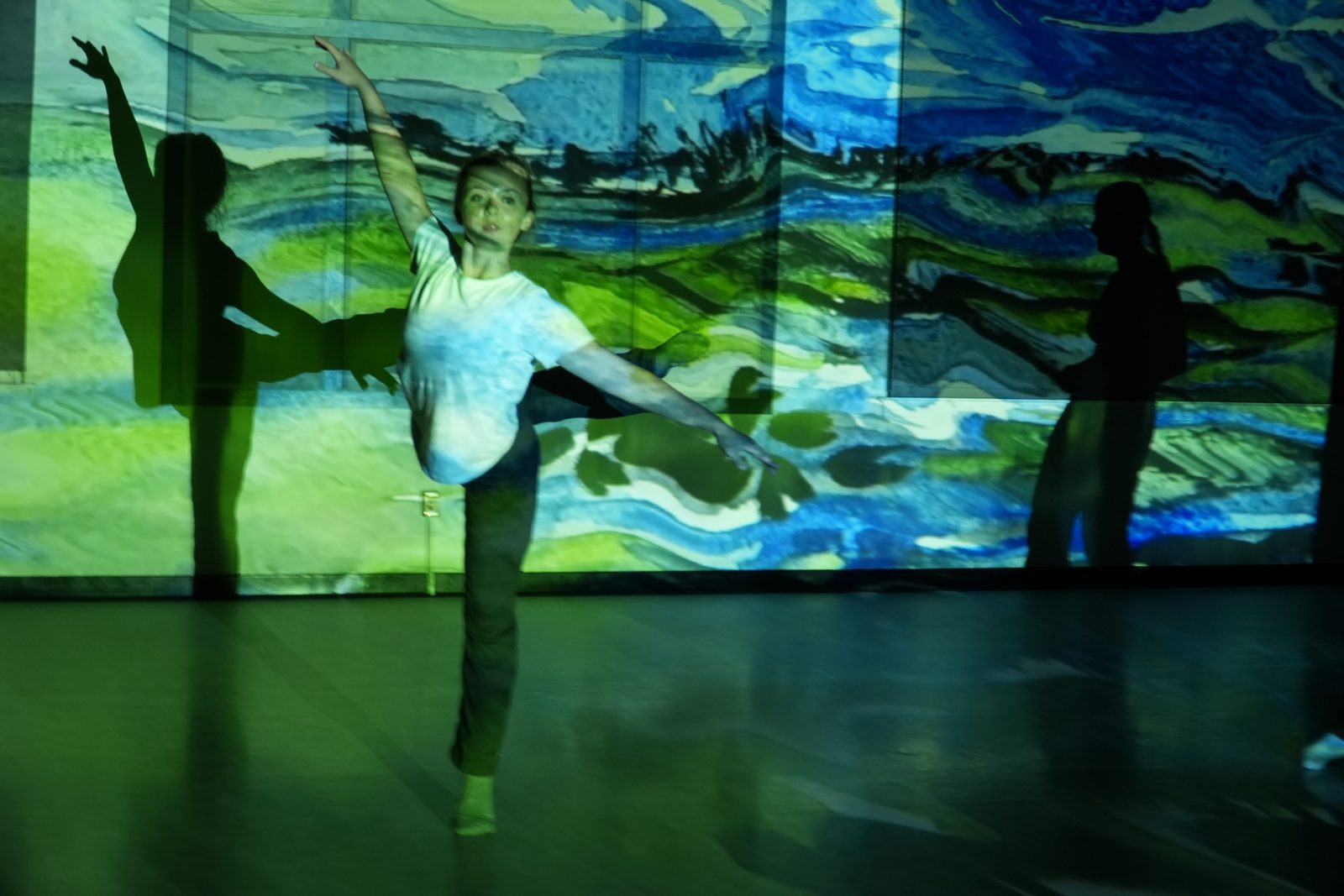
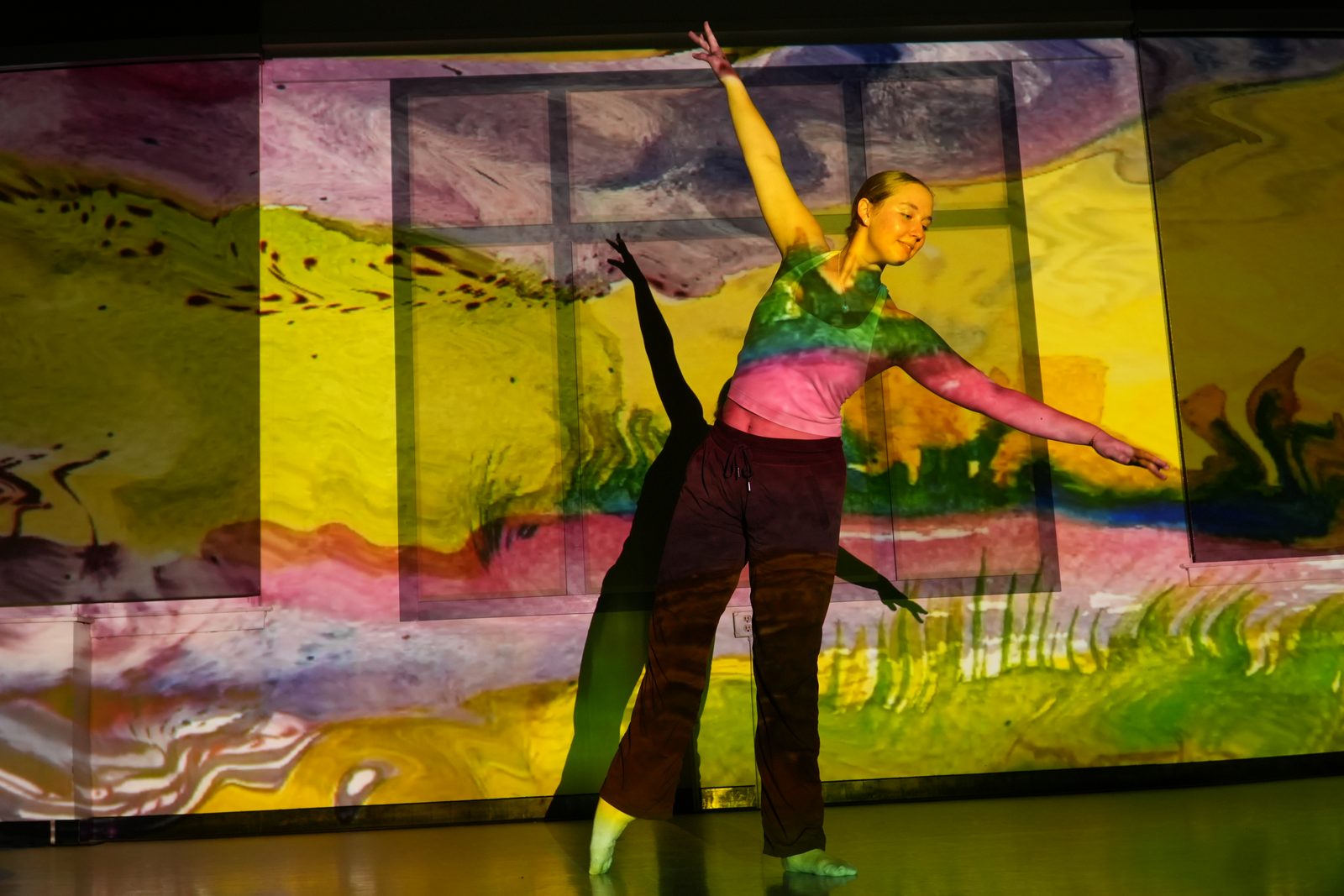
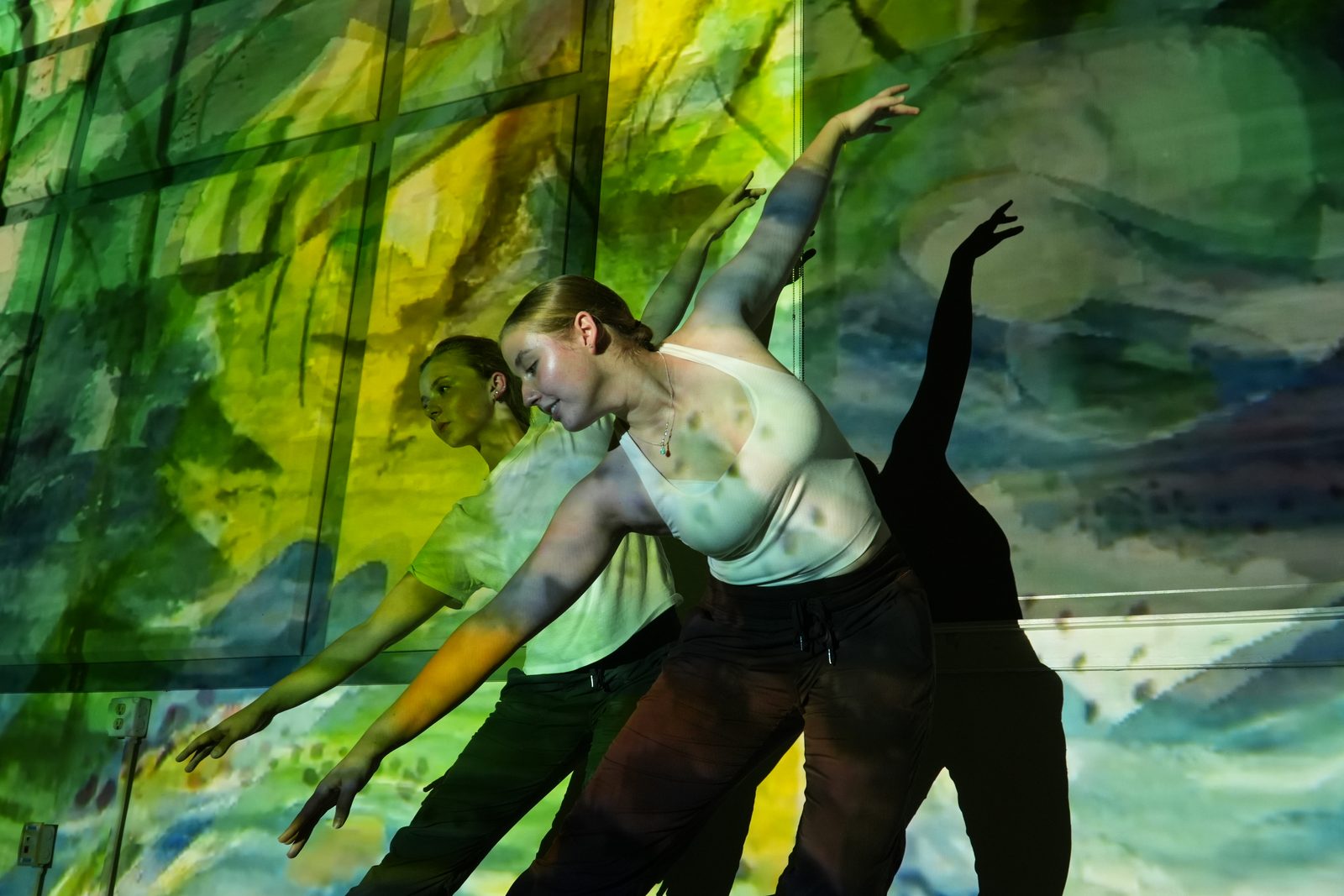
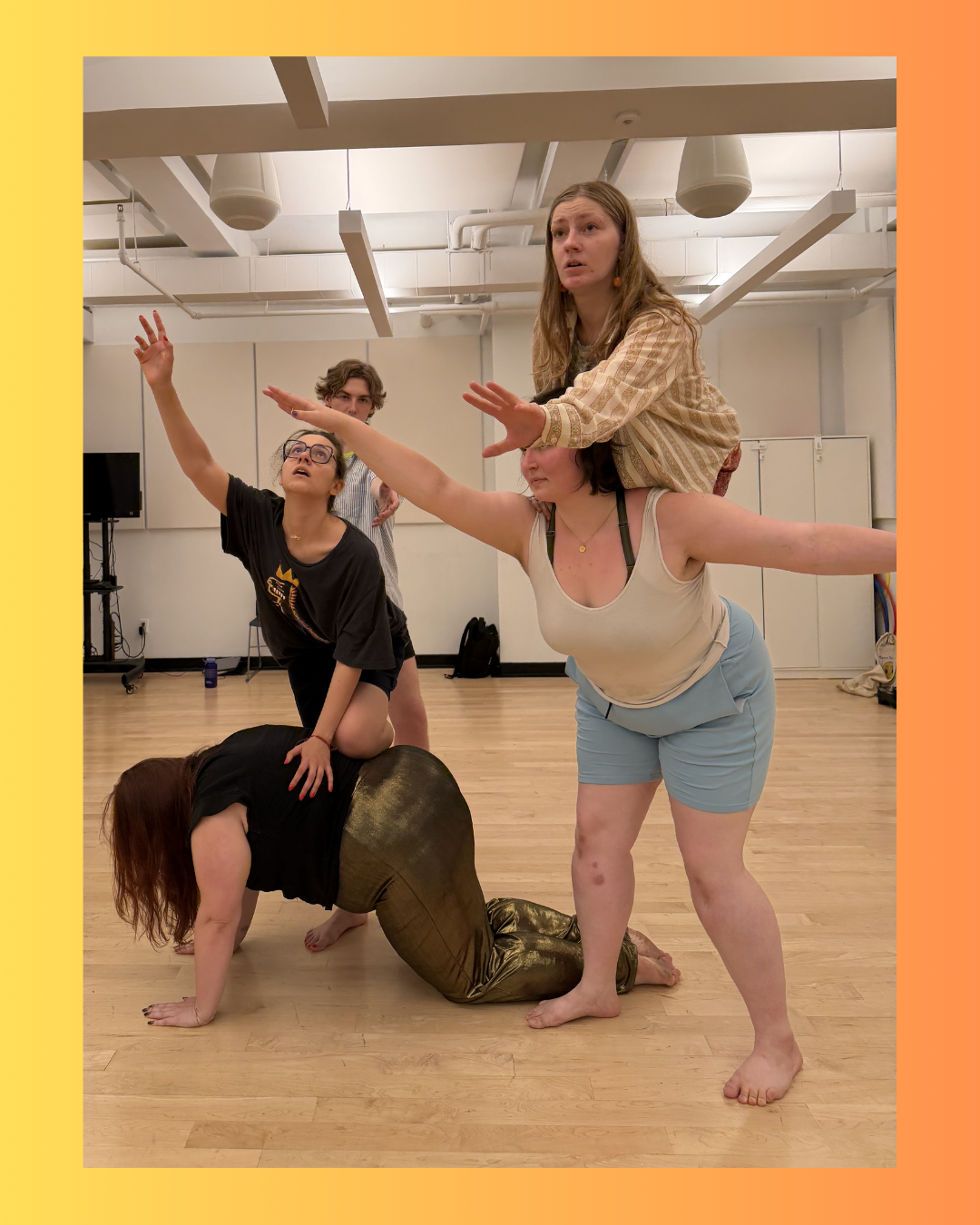
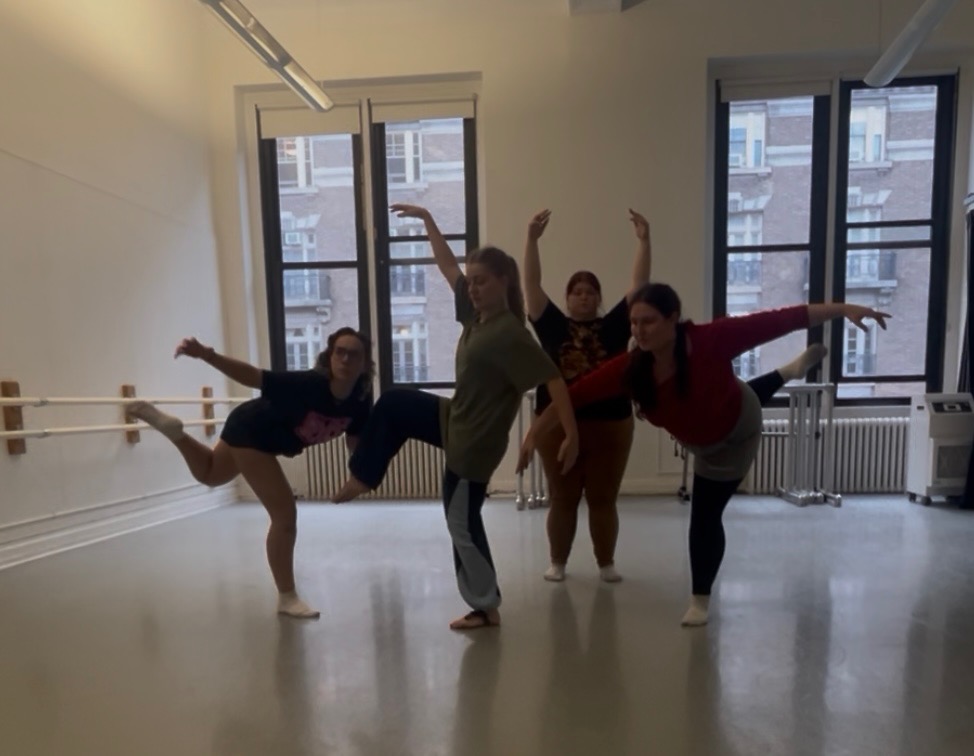
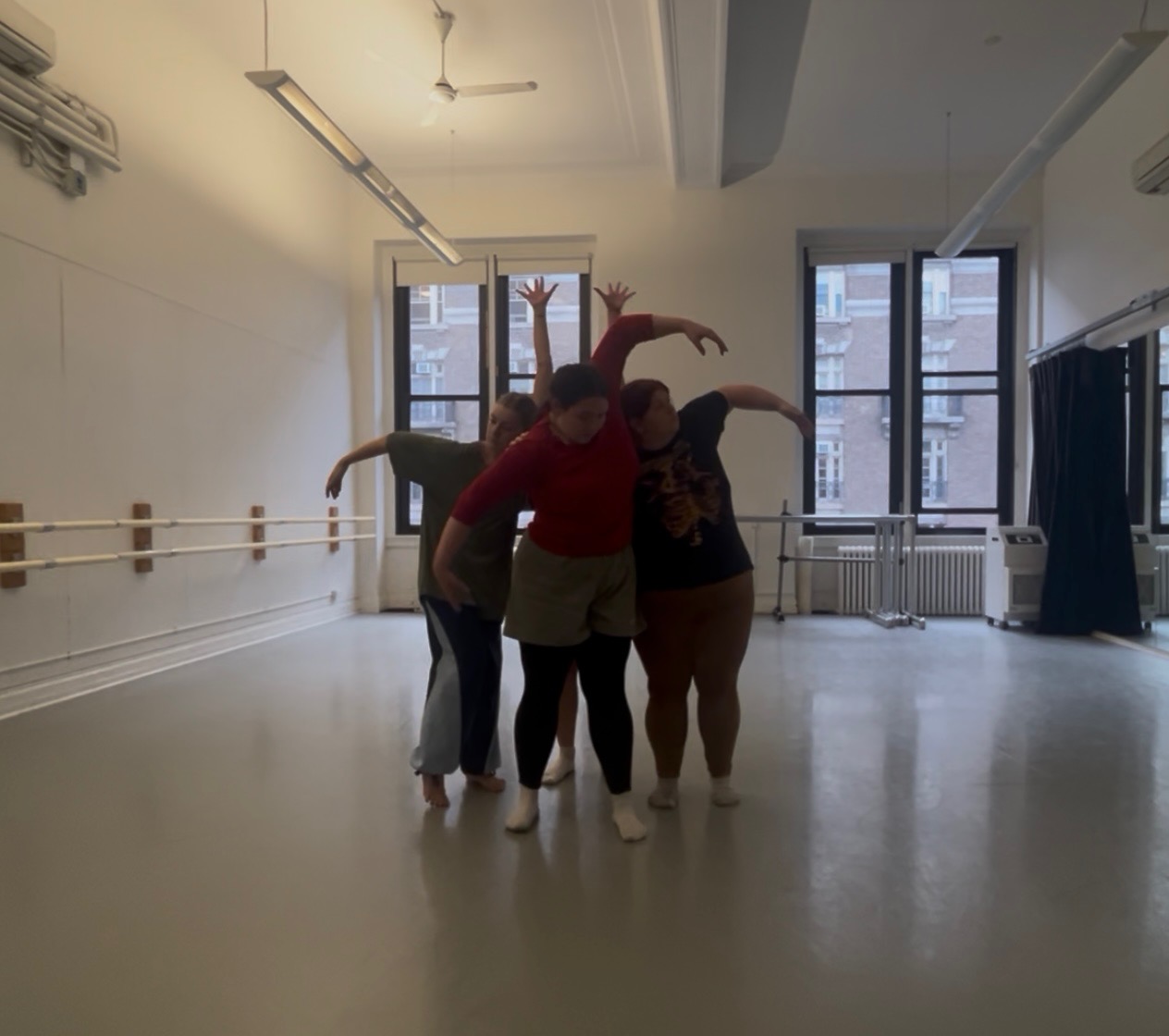
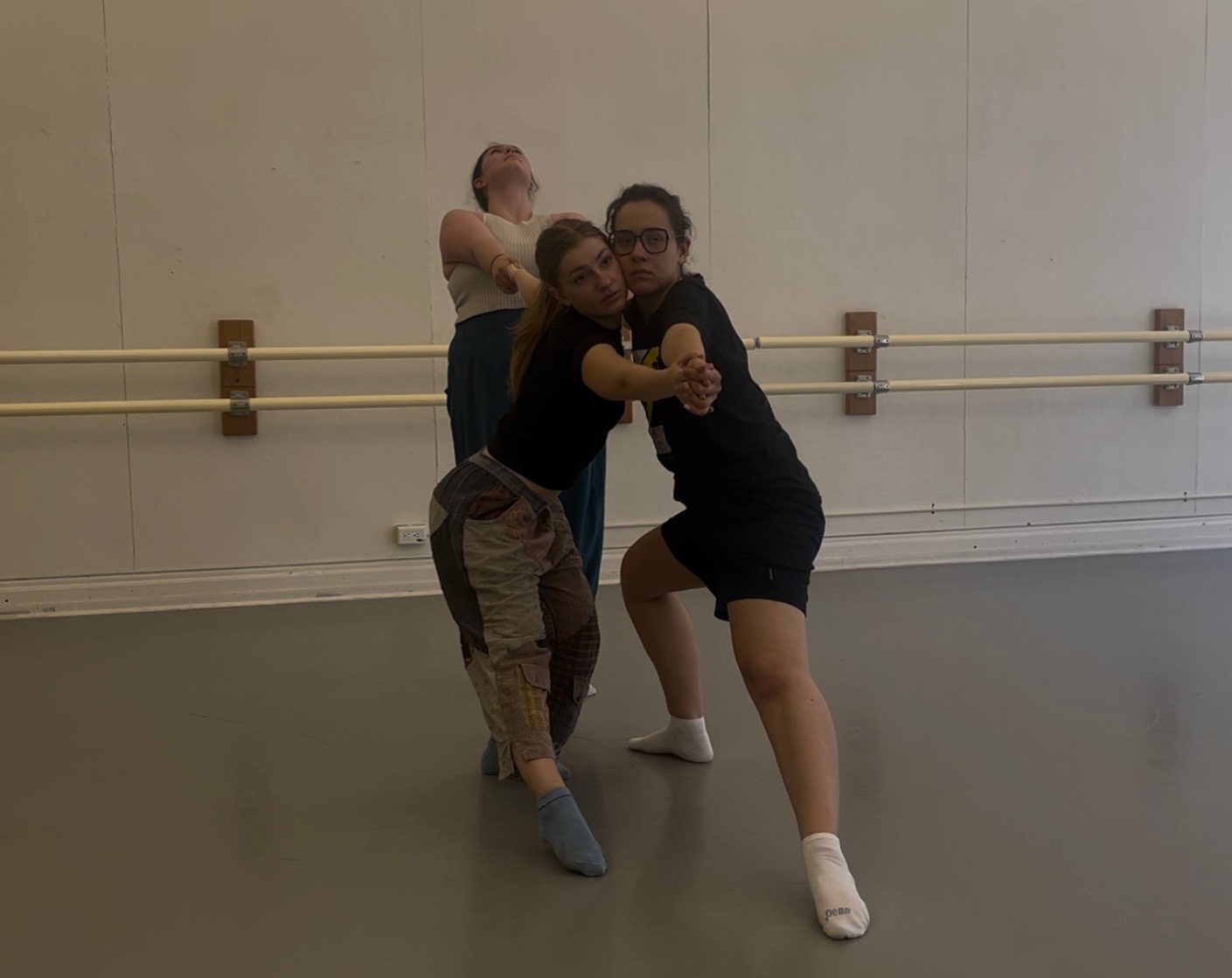
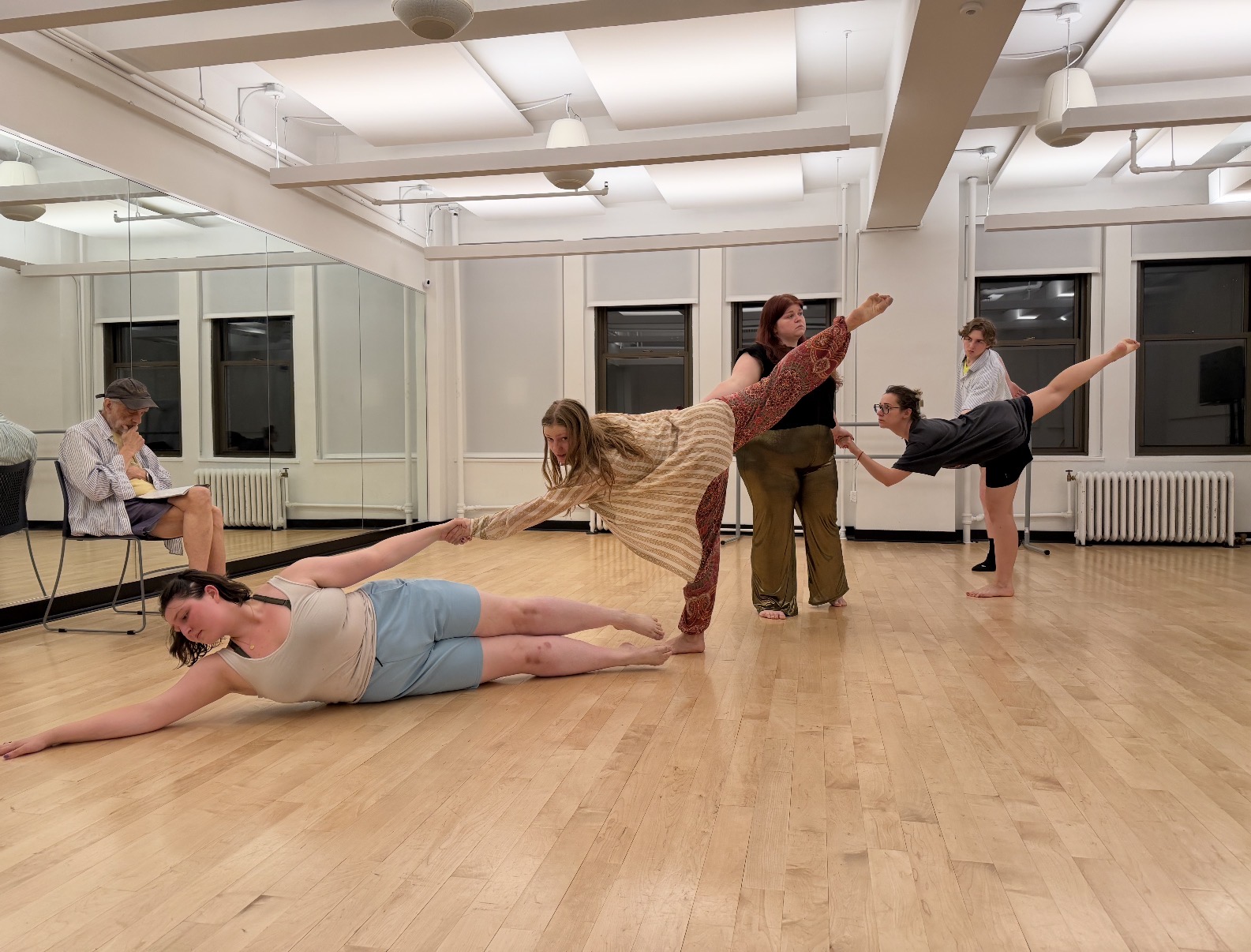
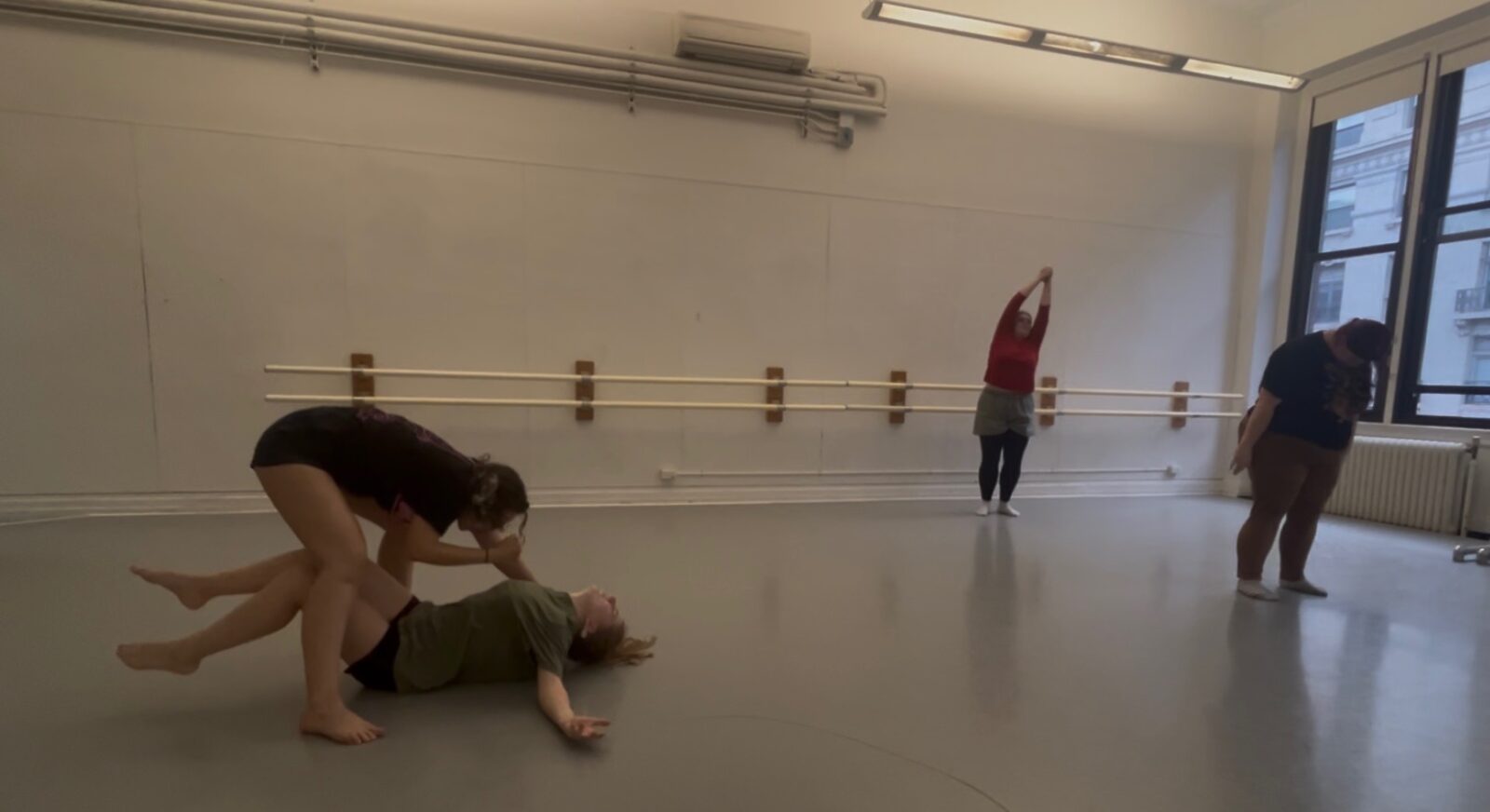
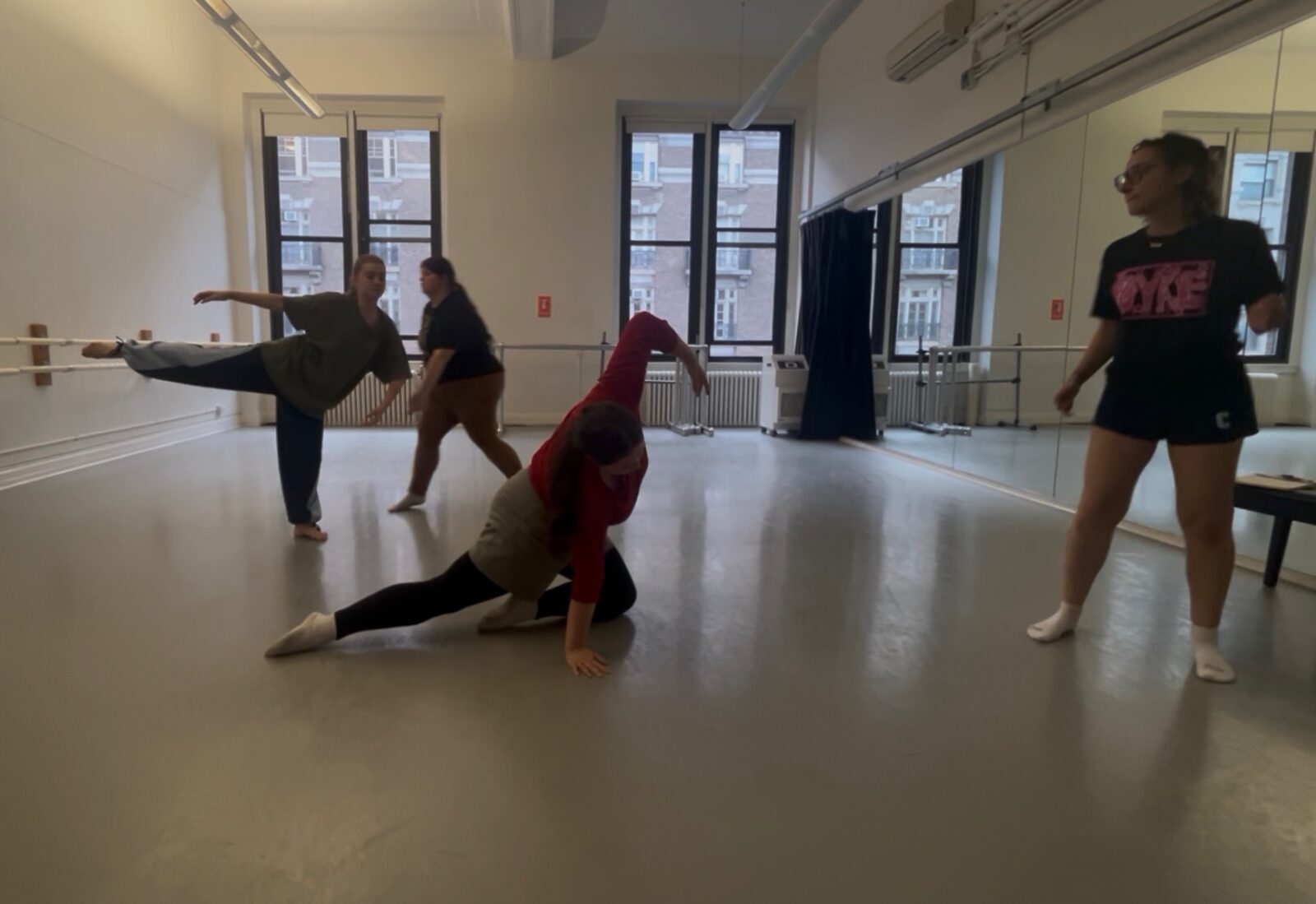
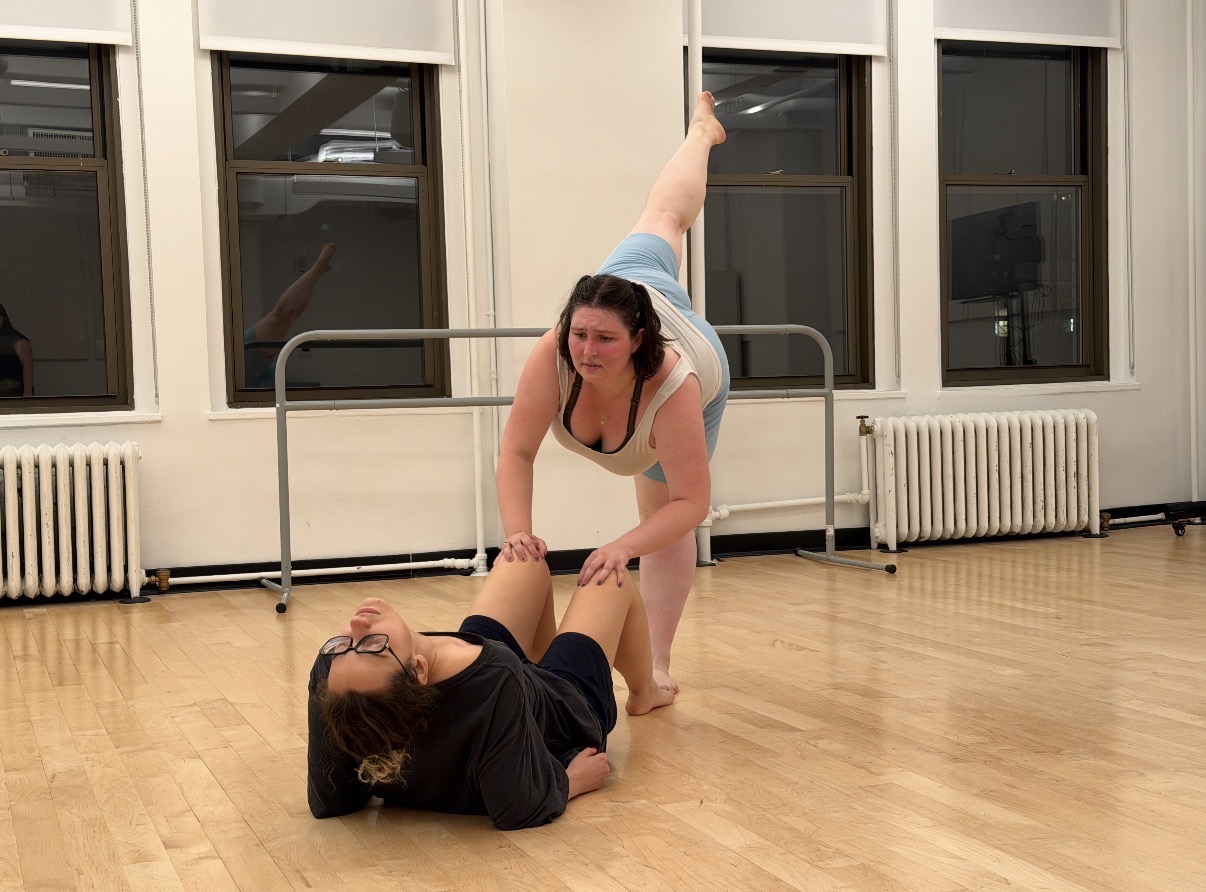
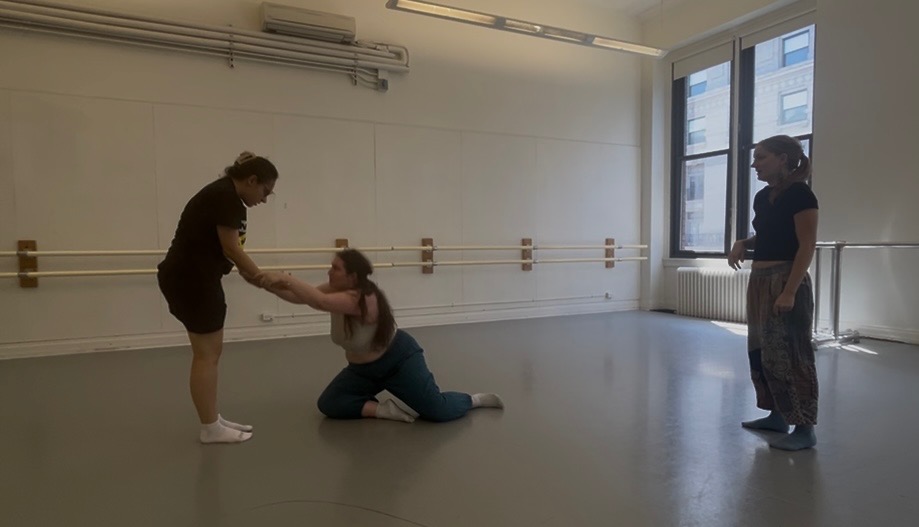
Photos from rehearsals
II. river-bend
I want to know and control
more than I want to admit.
My canoe paddle drags against the current.
I squint
into the strong wind, the sun,
into every gaze that dares return my own.
Black hole pupils filter
what isn’t meant for me
while love dilates truth to see.
No screeching halt
only riverbend:
canoe in clearwater flow
sun behind me, facing east
a steady oar toward morning
when the trepidatious gaze of dawn
blinks the sleepy horizon alight
to stare me down again.
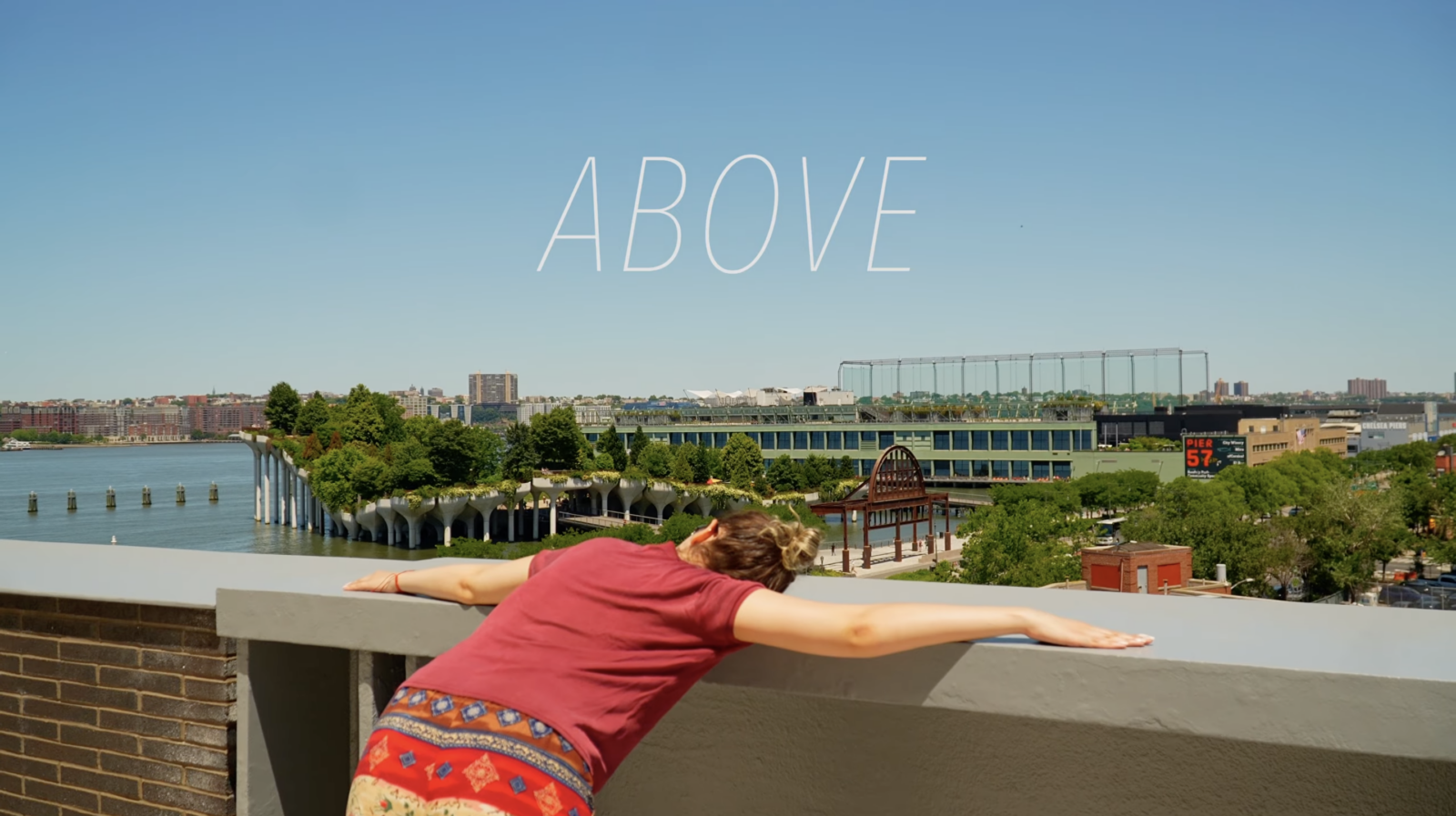
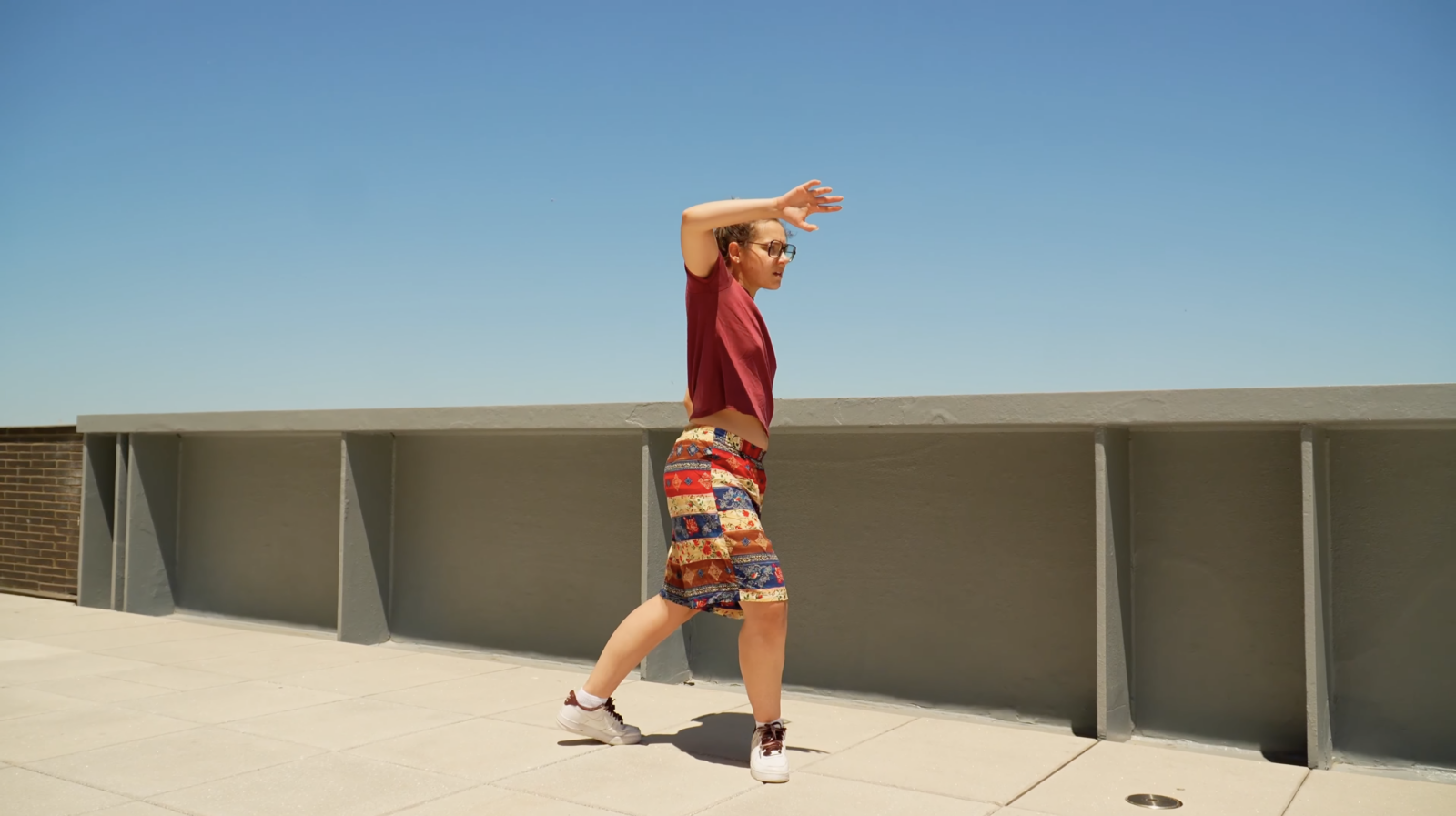
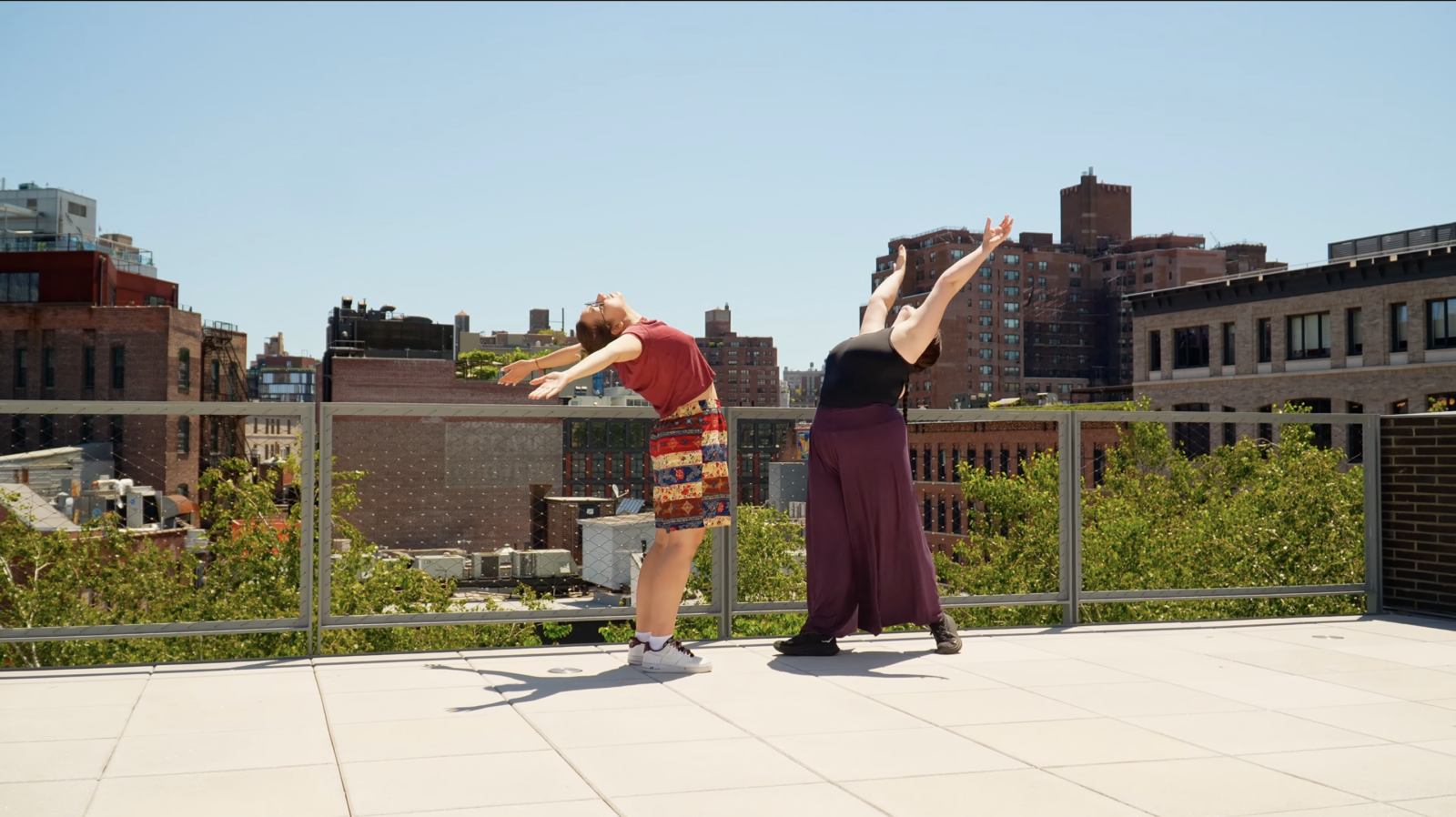
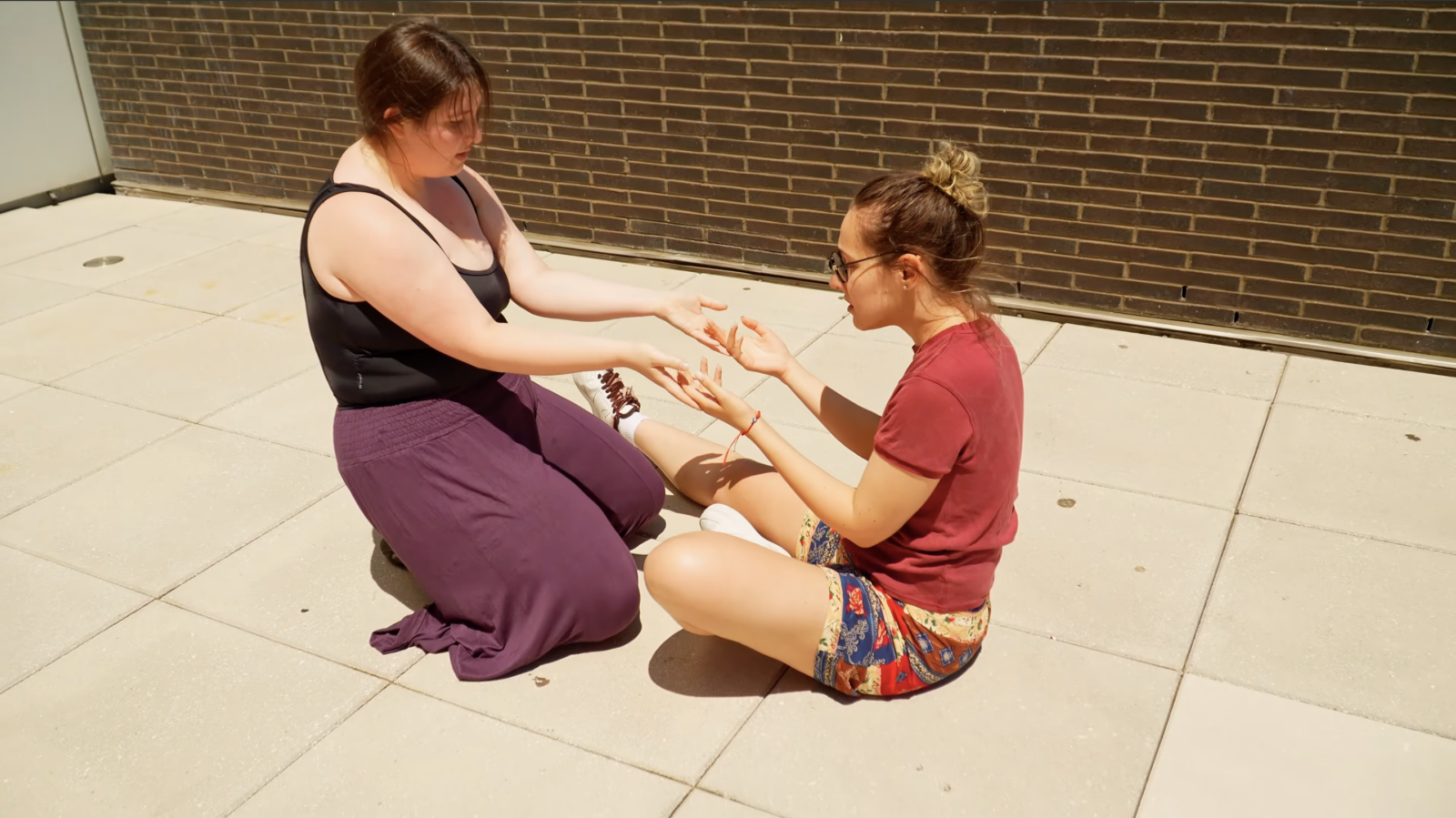
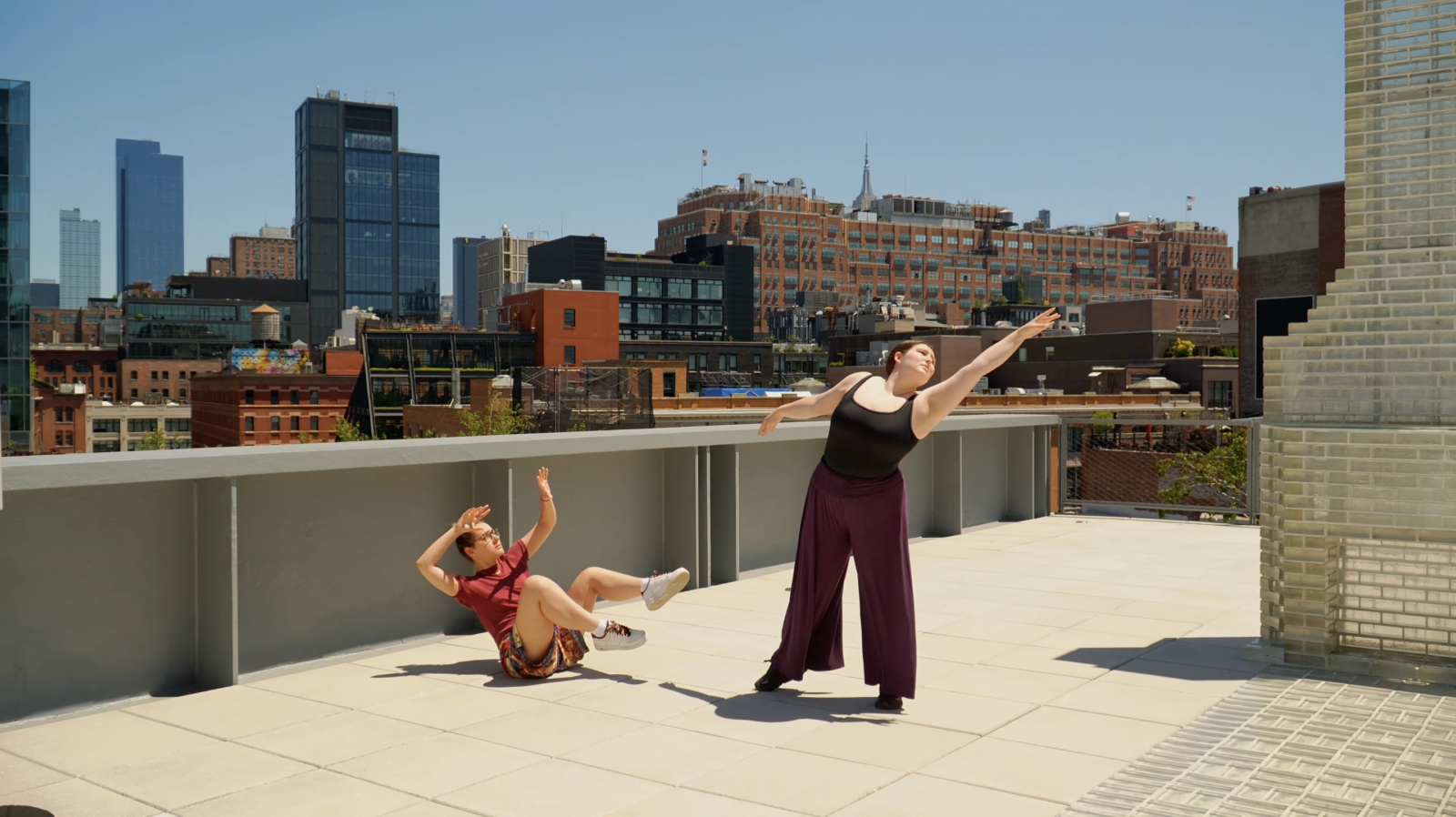
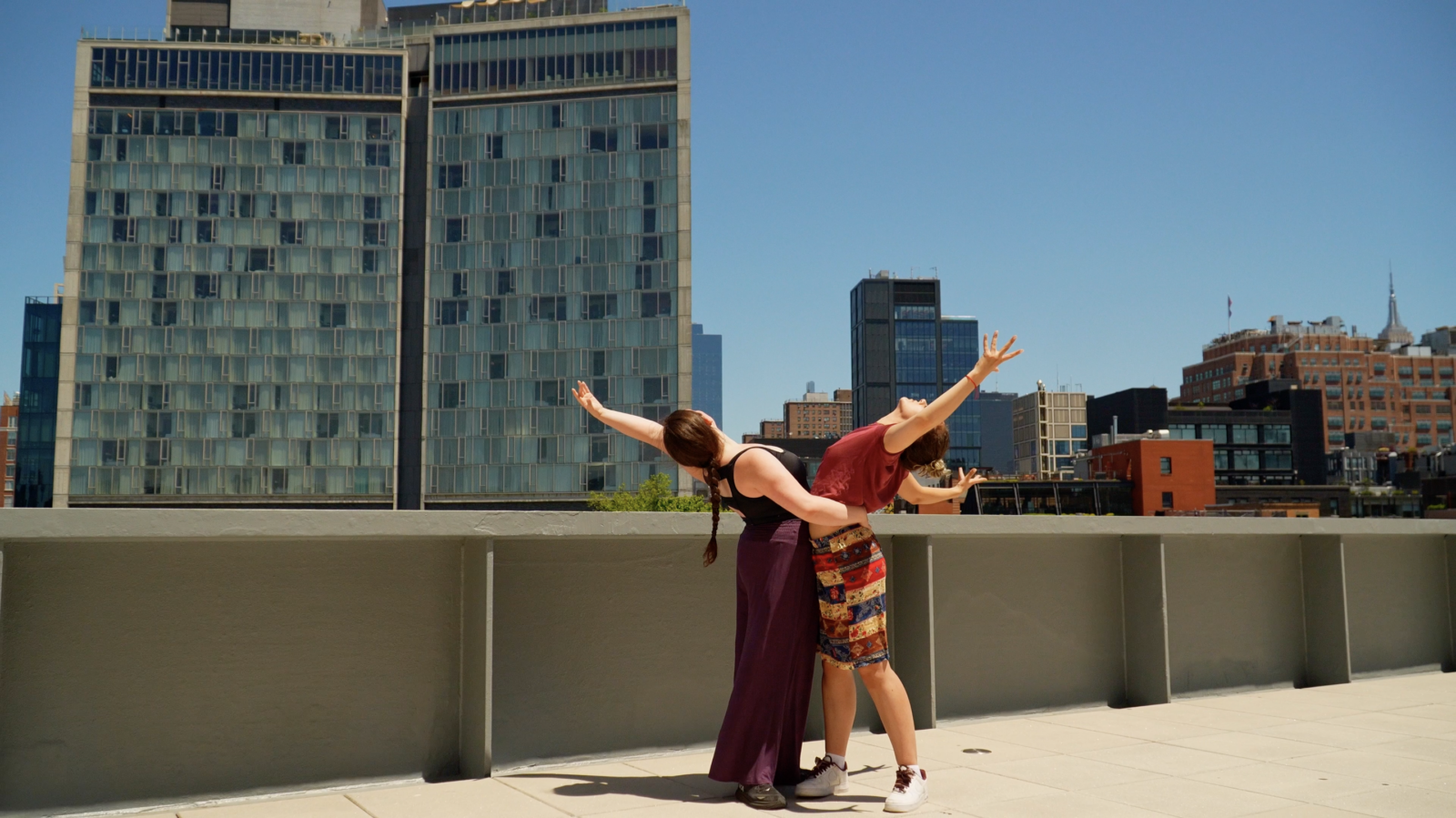
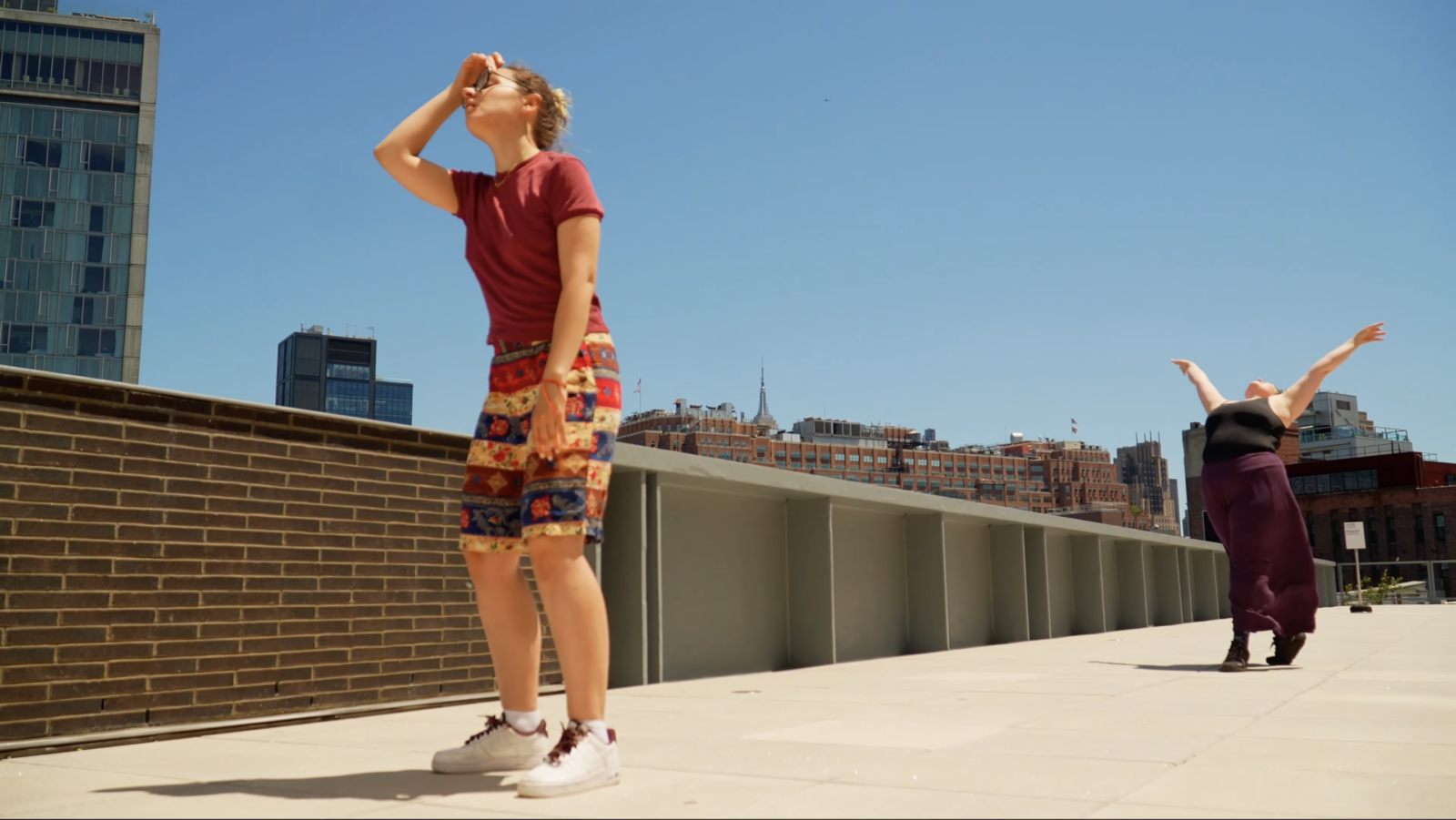
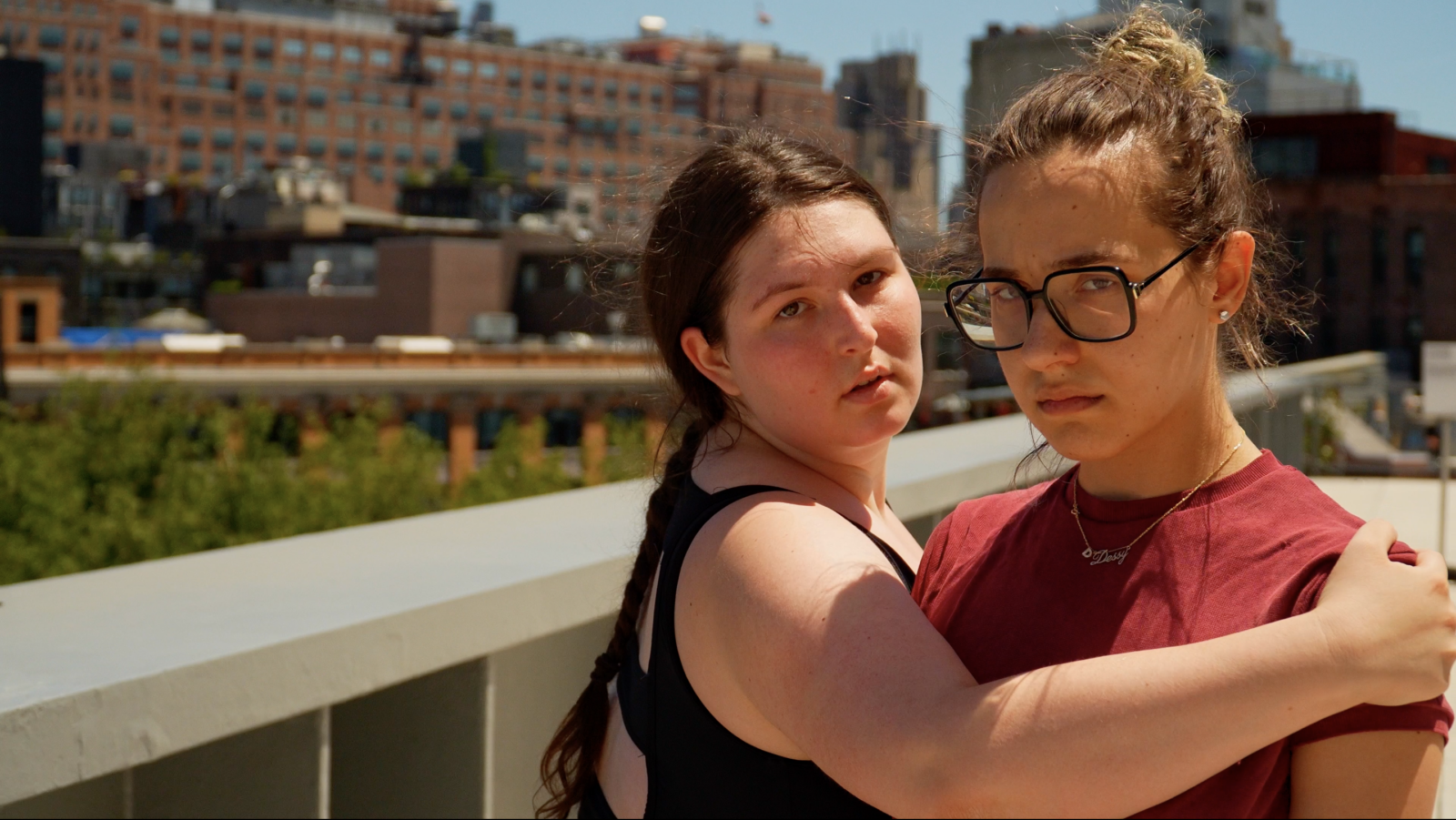
Above is a 10-minute screendance featuring two dancers whose introspective yet dramatic movements tell a story about seeing and being seen. In Above, motifs such as architecture, metal, water, sky are grounded through the film’s choreography, as well as a poem, Encroached, recited by one of the protagonists, about vulnerability through exposure to the elements. The film symbolizes the associations between sentimentality and materiality through the evolving relationship between the dancers. Onscreen, they look toward vast horizons, into the gaze of each other, and into the lens to meet the eyes of the onlooking audience, to see the world anew from high vantage points of architectural remnants.
The music is Fantasy of the Forest by Rory Bricca, a piano piece about how our own fate is tied to that of the planet. Fantasy of the Forest is featured in “Palette to Purpose,” a multi-sensory art exhibit to fundraise for environmental advocacy and cataract surgery, with the motivating question prompting the artists being “What is your ecological vision?” Bricca’s composition features “beautiful major triads in the right hand being interrupted by a dissonant bass melody,” to “capture this juxtaposition between the beauty of nature and the terrifying power that our species has to destroy it.” Bricca’s piano piece is divided into five movements, which guide the film’s edit: “Somber clouds shifting across the sky, An open hand enshrouded by darkness, Tightly bound red string of fate, A radiating glimmer of hope appears, and The world lies in our hands.” // On Rory Bricca’s Piano composition
Directed, Choreographed, Filmed, & Edited by Lily Selthofner
Dancers: Adara Allen and Desislava Kreminlieva
Piano composed and performed by Rory Bricca – Fantasy of the Forest
Poem Encroached written by Lily Selthofner, performed by Desislava Kreminlieva


Harbor is an 11-minute dance with six performers, featuring elegant, ritualistic contemporary choreography set to mystical, folksy banjo. Parsing through the unavoidable liminal march toward the abyss of change, each of Harbor‘s performers embodies a different archetype, drawing from the tarot’s major arcana: The Fool, The Oracle, The Empress, The Hermit, Judgment, and The Moon.
Spoken text on melancholic, everyday, and morbid themes juxtaposes movement motifs of childlike innocence such as rock, paper, scissors and hopscotch. Symbols like numbers and electron bonds are playfully infused to intersect Harbor‘s momentum-filled dance elements, which portray the at once somber and firey exploration of new realms. Harbor prods at the tensions between free will, destiny, karma, meaning, and return.
Read the poetry spoken in the piece here
Harbor (2026) Presented by Open Dance Ensemble // at Movement Research NYC, June 2026
Choreographed by Lily Selthofner
Directed by Lily Selthofner and Philip Ellis Foster
Dancers: Adara Allen, Shannon Binns, Desislava Kreminlieva, Tommie McHale, Lily Selthofner, and Justin Shaw
Music: Live Banjo Accompaniment by Justin Shaw
Grey Funnel Line by Silly Sisters
Kalimankou Denkou by Bulgarian State Radio and Television Female Vocal Choir
Videography by Adam Myers